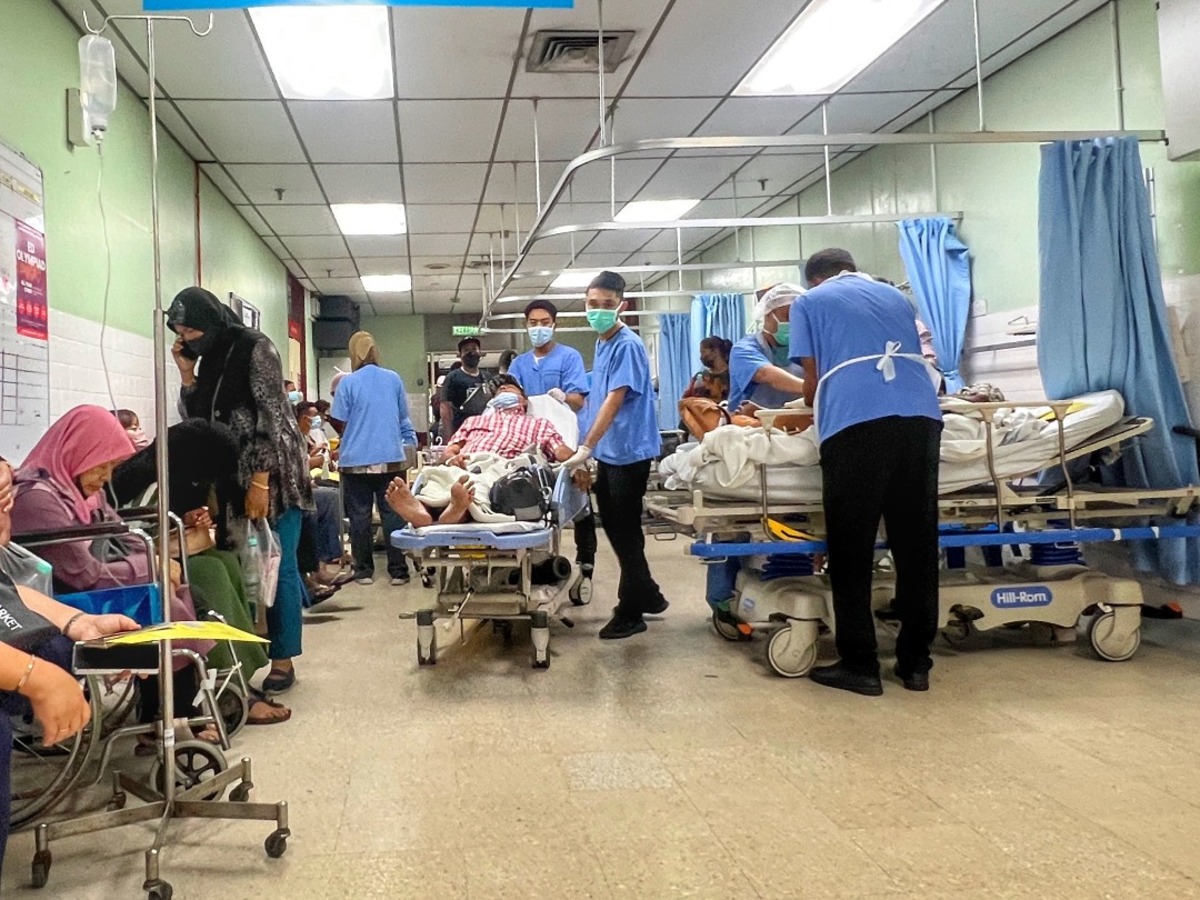
In the immediate aftermath of the 7.7 magnitude earthquake that crippled East Nusa Tenggara on August 15, 2026, the local healthcare infrastructure failed to maintain even basic life-support services. When the power grid collapsed, Maria Florida Nogo Kelen, a 39-year-old mother, was rushed into emergency surgery. Doctors operated in darkness, guided by flashlights, as the building groaned under the weight of hundreds of aftershocks. This event highlights the vulnerability of medical facilities in seismically active regions where the absence of independent, hardened power systems turns routine procedures into life-or-death gambles.
The clinical reality for Maria and her medical team was far from the sterile environment expected in obstetrics. Because her pregnancy carried significant complications, waiting for a stable power supply or a transfer to a safer facility would have likely resulted in a fatal seizure. Dr. Yona Sara Pardede, the obstetrician on duty, explicitly stated the lack of a ventilator meant they were navigating the birth without the most fundamental safety net in modern medicine. Gempita, the child born under these circumstances, weighed just 1.3 kilograms. Her survival in a tent-based incubator on a patch of grass speaks more to the desperation of the staff than the reliability of the regional medical response.
This disaster is part of a broader pattern of systemic neglect. While the public focus remains on the headline-grabbing nature of a birth during a tremor, the technical failure of the Nagekeo hospital structure exposes a deeper issue: the reliance on grid-dependent power for critical surgeries. In remote provinces across Indonesia, hospitals frequently lack the redundant, seismic-proof infrastructure required to survive a major tectonic event. When the ground moves, the electricity dies, and the surgical suite becomes a tomb.
The recovery phase now underway reveals the limitations of centralized disaster management. As of August 18, 2026, rescue efforts continue for those buried under the rubble of homes and bridges. Meanwhile, thousands of residents, including families with newborns, remain in temporary shelters. The provincial government has declared a 14-day state of emergency, but the gap between official proclamations and the availability of clean water, food, and stable clinical environments is widening.
The survival of the mother and her child, while miraculous, serves as an indictment of current risk-mitigation strategies. Medical facilities in high-risk zones should be designed with autonomous energy systems that operate independently of the local grid. Relying on flashlights during a cesarean section is not a heroic act of improvisation; it is an indicator that the health system has defaulted to basic human endurance rather than technological preparedness.
Beyond the immediate crisis, the psychological and physical toll on the staff remains unaddressed. Dr. Pardede and her colleagues were forced to perform high-stakes surgery while their own workspace was literally coming apart. A doctor who fears for their own life while holding a scalpel cannot perform at peak proficiency. When a facility loses its infrastructure, it loses its ability to function as a place of healing, reverting to a site of triage where doctors are essentially playing the odds.
As the region grapples with the fallout, the focus must shift toward infrastructure hardening. Providing tents and temporary supplies is a short-term reaction to a predictable hazard. True resilience demands that critical care centers possess the self-sustaining capacity to operate through the duration of a magnitude 7.7 event without interruption. Until this becomes the standard, the next significant tremor will inevitably force more medical teams to make the same impossible choices. The resilience of the people in Nagekeo is not a sustainable policy for public health. True preparedness is built into the architecture long before the first shockwave hits.