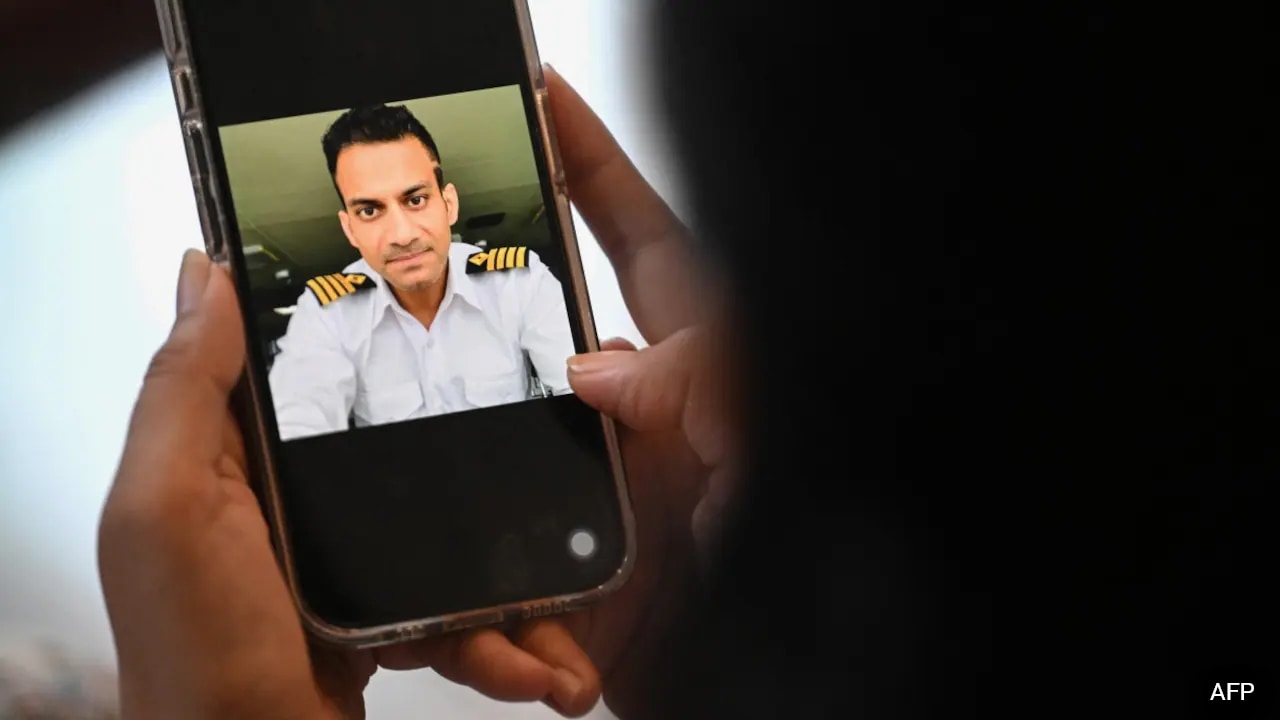
The midnight convoy that slipped away from public view in Islamabad did more than transport a high-profile prisoner; it detonated a fresh constitutional crisis. When authorities moved imprisoned former Prime Minister Imran Khan to a state-run facility instead of the private hospital mandated by the Supreme Court, the Pakistan Tehreek-e-Insaf (PTI) responded with immediate contempt proceedings.
For months, the health of the 73-year-old leader—locked away in Adiala Jail since August 2023—has served as a pressure gauge for the entire country's political stability. Behind the legal filings and urgent press conferences lies a deeper struggle over judicial authority, state compliance, and the brittle boundaries separating civilian governance from military-backed institutional control.
The Anatomy of a Disobeyed Mandate
The friction stems from a specific directive issued by a three-judge Supreme Court bench. The apex court ordered the government to transfer Khan from Adiala Jail to the private Shifa International Hospital in Islamabad for a thorough medical examination by a multidisciplinary board.
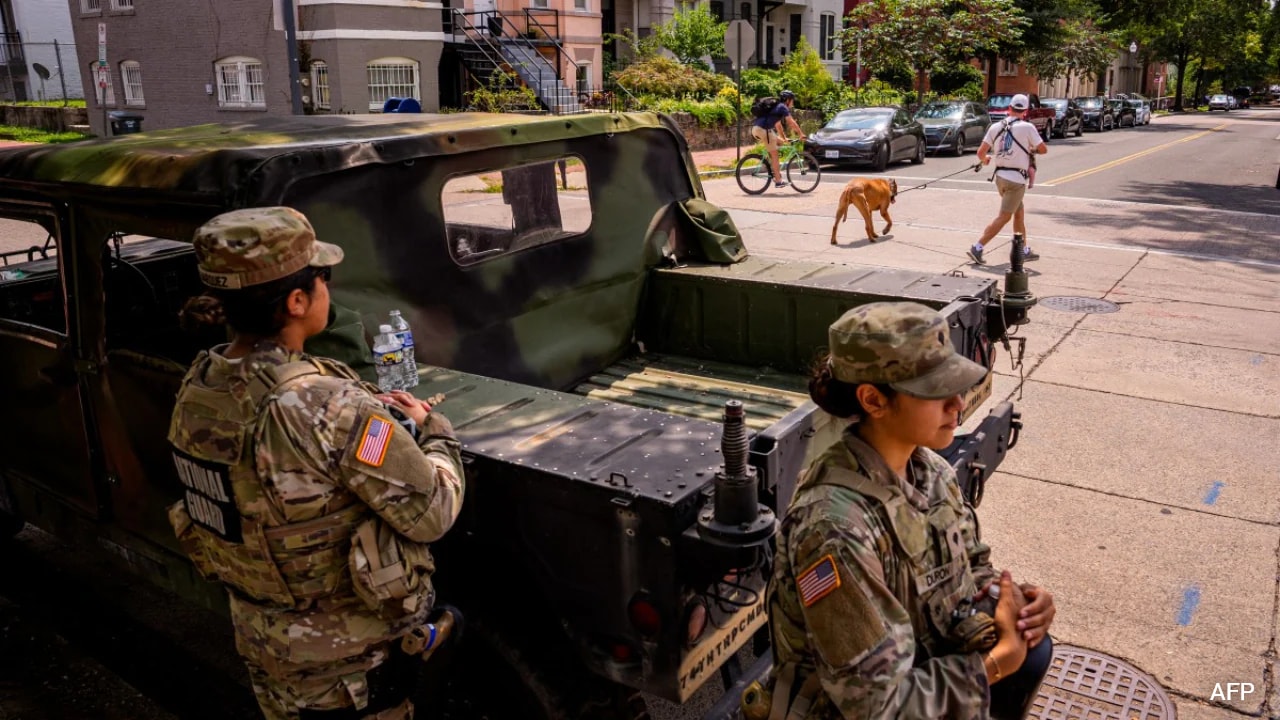
Instead of compliance, a midnight maneuver unfolded. State officials diverted the logistics, routing Khan to the government-run Pakistan Institute of Medical Sciences (PIMS) for a brief evaluation before rushing him back to his cell before dawn. According to reports detailed by Al Jazeera, the state justified the sudden pivot by citing security concerns, noting that crowds of supporters had gathered near the designated private facility.
PTI legal teams view this explanation as a flimsy pretext. By bypassing the specific instructions of the highest court, the administration crossed a bright line. Party representatives, speaking through outlets like Dawn, filed formal contempt petitions naming top administrative officials, including the interior secretary and the Islamabad chief commissioner.
Shadows Over Prison Walls and Medical Boards
The dispute is about more than just a change of venue. It touches on raw nerves regarding transparency and human rights behind bars. Khan's family members, including his sister Uzma Khan who managed to observe parts of the evaluation, voiced alarming claims regarding his detention conditions and ongoing health struggles, such as an eye condition that has required persistent specialist attention.
When state physicians declared the prisoner medically fit after a truncated examination at PIMS, opposition leaders dismissed the exercise as a staged performance. Denied access to his personal physician during the critical hours of the check-up, the PTI leadership argued that the state deliberately sabotaged the independent medical oversight mandated by the judiciary.
This friction highlights a systemic decay in institutional trust. When a government actively resists a court-ordered medical transfer, it signals to the public that administrative convenience supersedes constitutional due process.
The Broader Fallout
The fallout from this midnight hospital transfer extends far beyond the courtroom. PTI organizers are using the episode to galvanize a demoralized base, pointing to the incident as proof of ongoing bad faith by the ruling coalition and its powerful backers. Plans for a major nationwide protest mobilization are already accelerating, turning a routine medical check-up into a flashpoint for street agitation.
Courts in Islamabad now face an uncomfortable reckoning. When executive branches routinely find loopholes or outright ignore judicial directives, the judiciary's ultimate enforcement power is put to the test. As the legal challenges wind their way toward subsequent hearings, the government's defiance has ensured that the prisoner remains the gravitational center of Pakistan's political universe, keeping the state on permanent high alert.