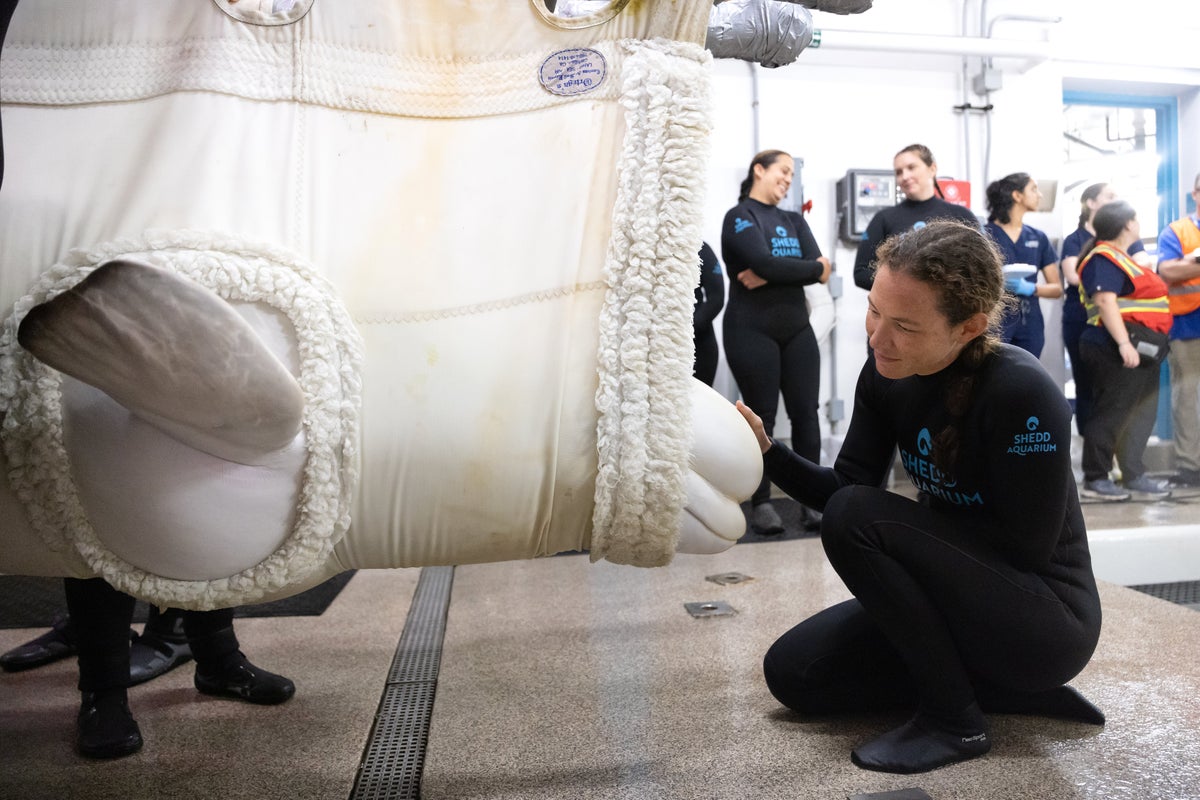
The death of a 23-year-old beluga whale named Peekachu at Chicago's Shedd Aquarium laid bare the grim reality of Canada's final captive cetaceans. Transported hundreds of miles from the shuttered Marineland facility in Niagara Falls, Ontario, the animal survived only weeks in her new home before succumbing to sudden dehydration and acute physiological collapse. Official statements frame the transfer as an emergency rescue mission. Animal welfare advocates call it a predictable tragedy born of regulatory failure, corporate neglect, and political panic. Beneath the public relations messaging of international cooperation lies a darker operational truth about the systemic abandonment of marine mammals in private facilities.
Marineland closed its doors in 2024 following years of mounting legal pressure, public outcry, and the death of its owners. Yet the facility remained the legal custodian of dozens of belugas and dolphins long after the business model collapsed. Provincial government data obtained through freedom of information requests reveals that nineteen whales died at the Niagara Falls park between 2019 and the closure. The infrastructure sustaining these animals corroded alongside the corporate balance sheet. Water life support systems degraded. Veterinary oversight dwindled. When the park finally ran out of capital to maintain basic life support operations, management issued a blunt ultimatum to the Canadian government: approve international export permits or face the mass euthanasia of the remaining cetaceans.
Ottawa found itself cornered. Under a strict 2019 federal law banning whale and dolphin captivity and breeding, exporting live marine mammals to foreign aquariums required navigating a dense thicket of regulatory hurdles. An initial agreement to sell the animals to an aquarium in China was blocked by the federal fisheries minister for violating the spirit of the domestic ban. Left with no viable domestic sanctuary infrastructure—Canada possesses virtually zero coastal marine sanctuaries capable of rehabilitating former captive belugas—regulators had to choose between international relocation or corporate-managed slaughter. They chose relocation. A consortium comprising the Shedd Aquarium, the Georgia Aquarium, SeaWorld locations, and Spain's Oceanografic Valencia stepped forward to absorb the animals.
Moving a stressed, chronically compromised beluga whale across an international border is an exercise in extreme veterinary high-stakes. The logistics are brutal. Animals must be hoisted out of water using custom slings, secured inside temperature-controlled containers, loaded onto cargo planes, and monitored continuously by teams of specialists. For Peekachu, the journey proved too much. While initial reports from the Shedd Aquarium noted early signs of progress as she accepted squid and herring, subsequent blood panels revealed severe metabolic distress. Caretakers attempted emergency fluid therapy and targeted medication as dehydration pushed her system toward total failure. She died before her body could stabilize.
Critics argue that rushing these permits under duress created an unavoidable hazard. Legal advocates from organizations like Animal Justice point out that transporting animals with deep-seated, chronic health conditions essentially traded a slow death in Ontario for a sudden death in Illinois. Decades of captivity in substandard water conditions leave structural scars on cetacean physiology. Internal organs endure long-term strain. Immune systems operate below baseline thresholds. When subjected to the acute psychological and physical trauma of transport, these vulnerabilities frequently cascade into fatal organ failure.
The tragedy exposes a profound structural failure in how jurisdictions manage the twilight years of captive entertainment facilities. Private enterprises are permitted to profit from live animal exhibitions for decades, only to declare insolvency when public sentiment shifts or maintenance costs outpace revenue. Governments are left holding an impossible moral bag, scrambling for emergency placements without the luxury of time, proper quarantine infrastructure, or adequate rehabilitation protocols.
As the remaining belugas and dolphins filter out of the Niagara Falls property toward foreign theme parks, the fundamental question remains unanswered. Exporting animals to commercial aquariums abroad satisfies the immediate political demand to clear out a derelict facility, but it perpetuates the cycle of captivity under a different flag. True accountability would have required seizing the animals years earlier, injecting public funds into on-site stabilization, and building genuine coastal sanctuaries rather than treating sentient marine mammals as corporate inventory to be dumped at the eleventh hour. Peekachu's death is not an isolated medical anomaly. It is the natural endpoint of a system that treats animal welfare as an afterthought until the cages are empty.