The courtroom fell completely silent as the numbers flashed on the screen. What was actually inside Lindsay Clancy's bloodstream on the day she killed her three children has become the core puzzle of a deeply tragic legal battle.
When forensic toxicologist Dr. Justin Brower took the stand, everyone leaned in. People want simple answers in high-profile murder trials. They want a clear villain or an undeniable smoking gun. But the reality presented by the toxicology reports is far messier than a neat media narrative. You might also find this related story insightful: The Anatomy of Political Exile: Risk Modeling the Return of Sheikh Hasina.
The Toxicologist Report Breakdown
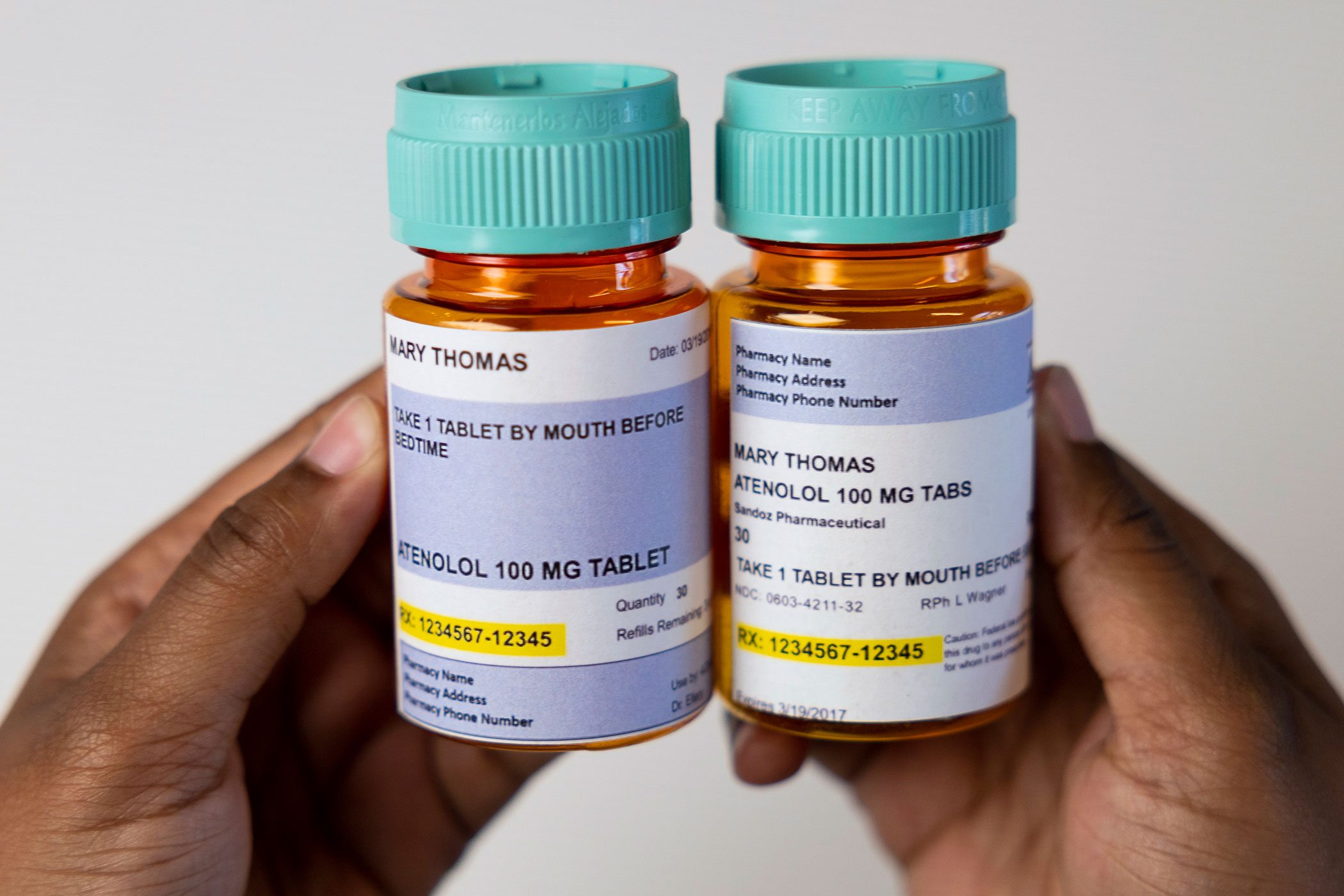
Dr. Brower, testifying on behalf of NMS Laboratories, walked the court through the exact cocktail of psychiatric medications detected in Clancy's system after the January 2023 tragedy. The list included mirtazapine, lamotrigine, trazodone, and quetiapine. These are heavy-duty drugs meant to manage severe depression, mood instability, and major psychiatric disorders.
Prosecutors have spent weeks trying to frame Clancy's actions as calculated and intentional. They point to the horrifying sequence of events in Duxbury, Massachusetts, where she strangled her children—Cora, five, Dawson, three, and eight-month-old Callan—before attempting to take her own life. As reported in latest coverage by BBC News, the effects are notable.
Yet, the defense tells a completely different story. They argue that an ever-shifting rotation of psychiatric medications prescribed in the months leading up to the tragedy triggered a cataclysmic episode of postpartum psychosis.
Did the lab find an intentional overdose? According to the expert witness, no.
Dr. Brower testified that the concentrations of nearly all drugs found in her blood sat comfortably within standard therapeutic ranges. The sole exception was quetiapine, which appeared slightly elevated. Even so, that elevation did not cross the threshold into a toxic or suicidal concentration.
"Usually people take handfuls of pills when they're trying to harm themselves and take their own life," Dr. Brower told the courtroom. "And this is not consistent with that."
The Danger of Over-Reliance on Blood Numbers
Numbers on a lab printout do not tell the whole human story. Defense attorneys seized on this exact point during cross-examination, prompting the toxicologist to admit that the raw data fails to capture an individual's subjective internal reality.
Think about how psychiatric drugs actually work. They alter brain chemistry. For a patient already buckling under the weight of profound insomnia, severe anxiety, and a complete loss of touch with reality, the wrong mix of prescription medications can turn dangerous long before blood levels register as a clinical overdose.
Court exhibits and prior testimony highlighted just how unstable Clancy's medical routine had become. In the final three months before her children died, clinicians cycled her through an array of antidepressants, sleep aids, and antipsychotics. Journal entries from late 2022 revealed a mother desperate for a mental break, writing that her mind was desperately trying to find a physical illness just to explain her overwhelming despair.
Why This Evidence Splits Public Opinion
The trial forces a brutal confrontation with how society treats maternal mental health.
On one side, the state emphasizes the physical acts and the devastating loss of three young lives, arguing personal responsibility regardless of mental state. On the other side, advocates and legal teams point to systemic failures in psychiatric care, questioning how a struggling mother reporting auditory hallucinations and severe mental degradation was managed by her care providers.
The presence of benzodiazepines in her urine—including nordiazepam, oxazepam, temazepam, and lorazepam, as detailed by earlier forensic testimony from state police crime lab witnesses—paints a picture of a patient heavily medicated by a medical establishment trying frantic adjustments to solve her insomnia and panic.
As the trial moves forward, the jury must weigh these conflicting interpretations. The blood tests confirm she wasn't swallowing pills by the handful in a classic suicide attempt. Instead, she was walking through daily life operating on a cocktail of powerful pharmaceuticals prescribed by professionals, right up until the moment her mind completely broke.
Pay close attention to upcoming expert testimonies on psychiatric drug interactions, as they will likely dictate how the jury interprets the boundary between medical harm and criminal intent.
Toxicologist Reveals Lindsay Clancy's Drug Levels
This video provides direct coverage and deep analysis of the forensic toxicologist's testimony regarding the specific prescription medication levels found in Lindsay Clancy's bloodstream during the ongoing murder trial.