Military technology is crossing a strange line. Silicon Valley robotics startups are no longer just pitching automated warehouse pickers or factory assistants. They are pitching the battlefield.
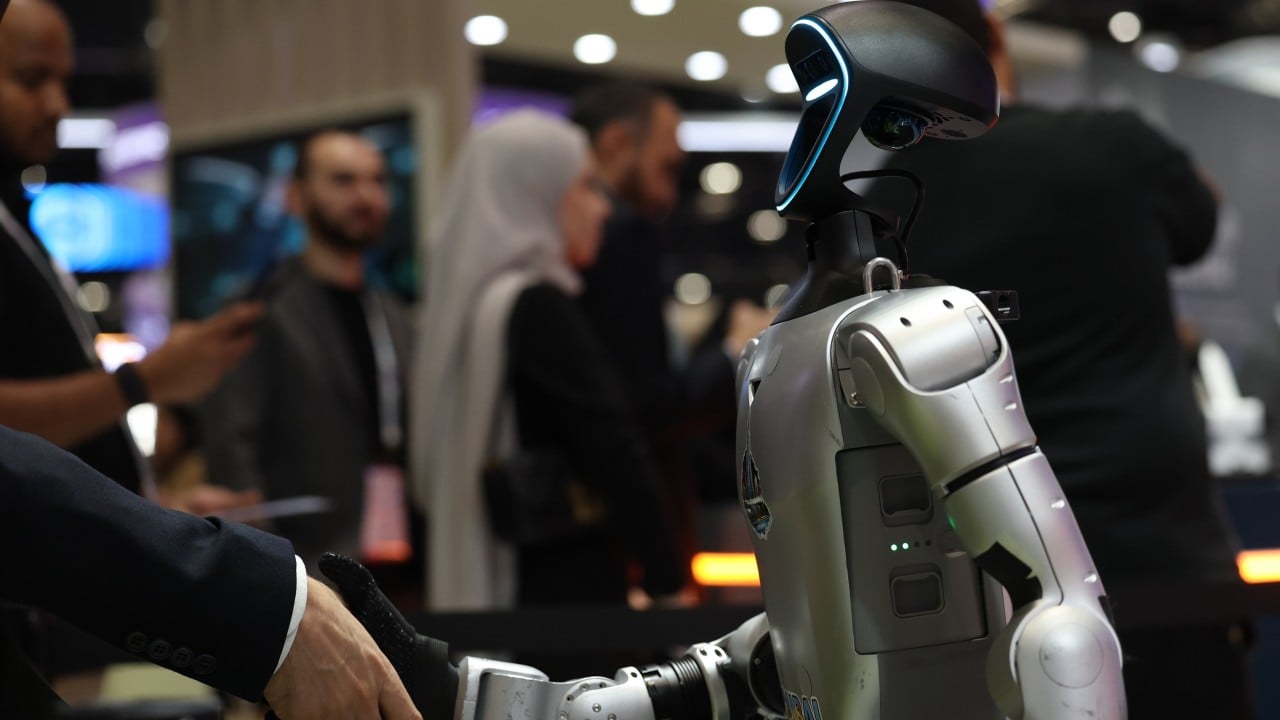
Recent reports revealed that Foundation Future Industries, a San Francisco-based robotics startup backed by Eric Trump, entered discussions with the Israel Defense Forces to supply up to 1,000 humanoid robots. The target application? Navigating complex subterranean tunnels and urban conflict zones like Gaza. It sounds like science fiction, but the financial backing, high-level meetings, and strategic shifts are entirely real.
Why Humanoids Are Entering the Defense Conversation
For decades, military automation meant tracked drones, aerial UAVs, or wheeled remote-controlled rovers. Those machines work well on open roads or in the sky. Urban warfare and tight subterranean networks change the rules entirely.
Staircases, rubble-choked entryways, and narrow doorways stop wheeled robots dead in their tracks. Bipedal humanoid machines are built to mimic human mobility. Proponents argue that a humanoid robot could clear booby traps, breach doors, and map hazardous tunnels without risking a soldier's life.
Foundation Future Industries has marketed its flagship humanoid machine, known as the Phantom, for rigorous environments. While initial demonstrations highlighted factory logistics and scouting duties—including tests in Ukraine—the company's leadership has openly explored weaponized configurations. The appeal to defense forces is obvious on paper: replace vulnerable infantry with expendable hardware.
The Reality Behind the Prototype Phase
Before anyone pictures an unstoppable army of Terminator units marching through city streets, look closer at the actual hardware. Investigative reports have highlighted significant engineering hurdles facing early-stage humanoids. Models like the Phantom have faced challenges regarding internal power autonomy, battery limitations, and environmental sealing against dust and water.
Building a humanoid that can walk across a smooth laboratory floor is completely different from building one that survives a blast wave, operates for hours untethered, and makes split-second tactical decisions under fire. Right now, these systems rely heavily on remote human operators or fragile sensor suites.
Furthermore, the business foundations of these startups are rarely as stable as their marketing decks suggest. Cash crunches, executive loans, and missed payrolls often plague hardware startups trying to scale too fast on aggressive defense timelines. Talks of supplying a thousand units to a major military force indicate massive ambition, but moving from a preliminary discussion table to a deployed, combat-ready fleet is a massive engineering canyon.
The Ethical and Political Weight
The involvement of high-profile political names adds immediate friction to these commercial deals. Eric Trump holds shares and serves as a strategic adviser to the firm, drawing intense scrutiny from lawmakers and international observers. Critics raise standard conflict-of-interest questions, while humanitarian organizations point out the terrifying escalation of introducing autonomous or semi-autonomous lethal systems into active war zones.
When machines decide when to fire or where to clear a room, accountability blurs. If a robot commits an error or triggers a catastrophic failure, who faces trial? The software engineer, the corporate board, or the commanding officer?
The discussions between private robotics developers and defense agencies are moving faster than international law can regulate them. Whether these early talks turn into actual battlefield deployments remains uncertain, but the arms race to put humanoids on the front lines has officially begun.