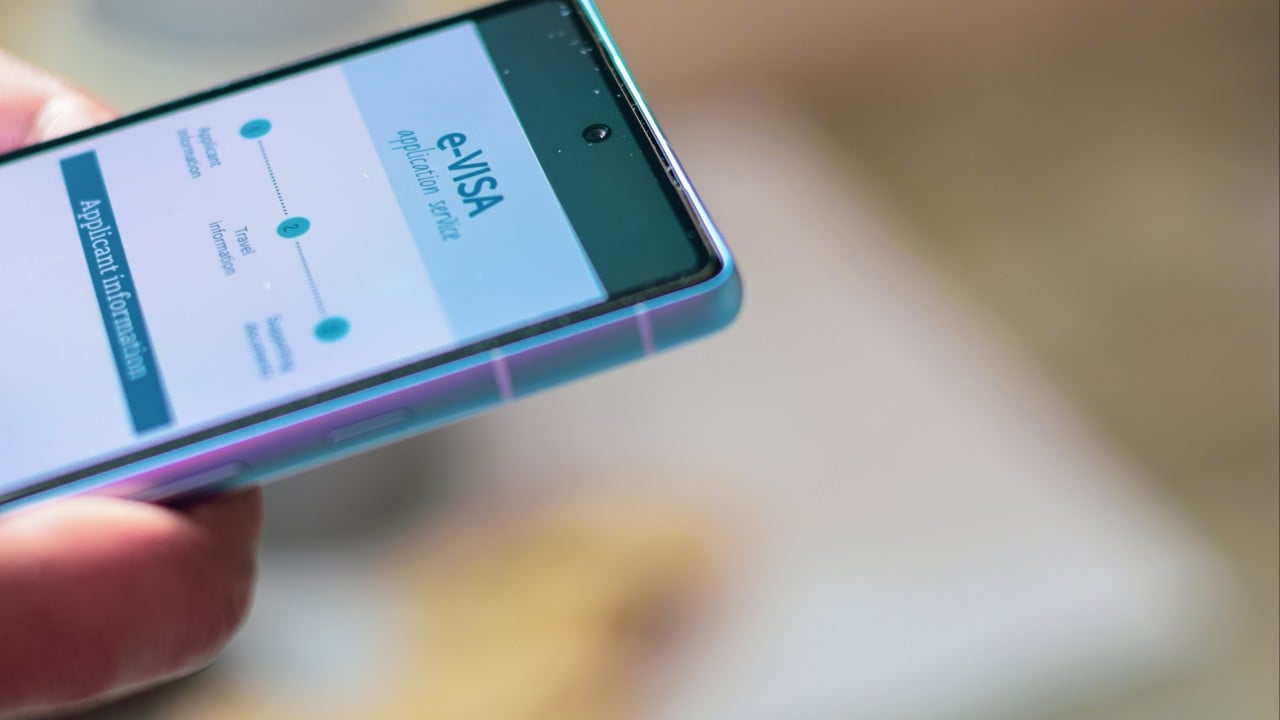
Travelers across Hong Kong are currently falling into a sophisticated trap. Official warnings issued by the Office of the Privacy Commissioner for Personal Data highlight an alarming surge in fraudulent e-visa and electronic travel authorization websites. These digital clones mimic official government portals for countries like Canada, the United Kingdom, the United States, and Thailand.
Victims hunting for genuine visa application links routinely find themselves on pixel-perfect counterfeit domains engineered by cybercriminals. The financial losses reported so far range from a few hundred Hong Kong dollars to over seventeen hundred per incident. However, the cash stolen via fake processing fees represents only the immediate damage. The greater threat lies in the wholesale harvesting of deeply sensitive personal records, including passport numbers, residential addresses, and biometric identifiers.
The Anatomy of a Search Engine Heist
Fraudulent e-visa operations rely on a simple yet devastating mechanics loop. Criminal networks weaponize search engine optimization and sponsored advertisements to push rogue URLs to the top of results pages. When a user types a query for a Canadian electronic travel authorization or a UK digital entry permit, the spoofed landing page often appears above or immediately adjacent to the official government link.
The human brain relies on visual heuristics under time pressure. A traveler packing for a flight looks for familiar national flags, clean blue interface layouts, and official-sounding terminology. Phishing syndicates understand this cognitive shortcut. They replicate government styling down to the font choices and footer disclaimers.
The illusion breaks only after the applicant types in their full legal name, date of birth, passport details, and credit card credentials. Once the payment clears, the portal either displays a generic error message or redirects the user to a blank confirmation page. The applicant walks away believing their paperwork is processing, completely unaware that their identity has been packaged for sale on illicit underground forums.
Why Border Bureaucracy Breeds Vulnerability
Governments created electronic travel authorizations and digital visas to streamline international movement. They wanted to eliminate paper queues at embassies and speed up security screenings. Yet, this administrative fragmentation created a chaotic digital architecture.
Every sovereign state builds its own portal with distinct domain naming conventions, varying user interfaces, and separate payment gateways. There is no unified global standard for what an official government immigration portal should look or feel like.
When a user has to navigate twenty different national platforms across various jurisdictions over the course of a lifetime, confusion becomes inevitable. Cybercriminals exploit this structural disorganization. They do not need to hack secure government servers to steal data. They simply intercept users before they ever reach the real destination, capitalising on the natural friction of international travel administration.
[Traveler Search Query]
        │
        ▼
[Search Engine Results Page] ──(Ad/SEO Spoofing)──► [Fraudulent E-Visa Clone]
                                                         │
                                                 (Data Harvested)
                                                         │
                                                         ▼
                                                [Identity Compromised]
The Limitations of Conventional Defense
Authorities routinely advise citizens to inspect URLs for spelling errors or extra characters. This advice is technically correct, yet practically flawed in an era of advanced domain spoofing.
Cyber syndicates register lookalike domains using internationalized domain names, homoglyphs, and subtle character substitutions that escape casual observation. Furthermore, modern phishing infrastructure rotates server IP addresses dynamically, spinning up new domains faster than law enforcement or regulatory watchdogs can flag and dismantle them.
Relying solely on consumer vigilance against these tactics is a losing battle. Expecting an exhausted tourist to spot a microscopic discrepancy in a web address while rushing to secure flight accommodations ignores the reality of modern digital behavior. Cybersecurity measures must shift from reactive warnings to proactive architectural blocks at the network and search engine levels.
Protecting Digital Borders
Combating this wave of identity theft requires systematic changes in how search engines vet sponsored links and how consulates direct their publics. Major search platforms must subject any ad containing government immigration keywords to manual identity verification before allowing placement.
Travelers must adopt strict containment habits. Bookmark official consulate landing pages well in advance of any trip. Never click sponsored search results when looking for government services. If an application portal demands an unexpected surcharge or requests communication through unsecured channels, abandon the session immediately.
The digital border is porous, and the syndicates running these clones grow bolder by the day. Stay cynical about every link, double-check every URL structure against verified diplomatic directories, and treat your personal data with the same security reserved for banking keys.

.png?itok=1mb05mKJ)

