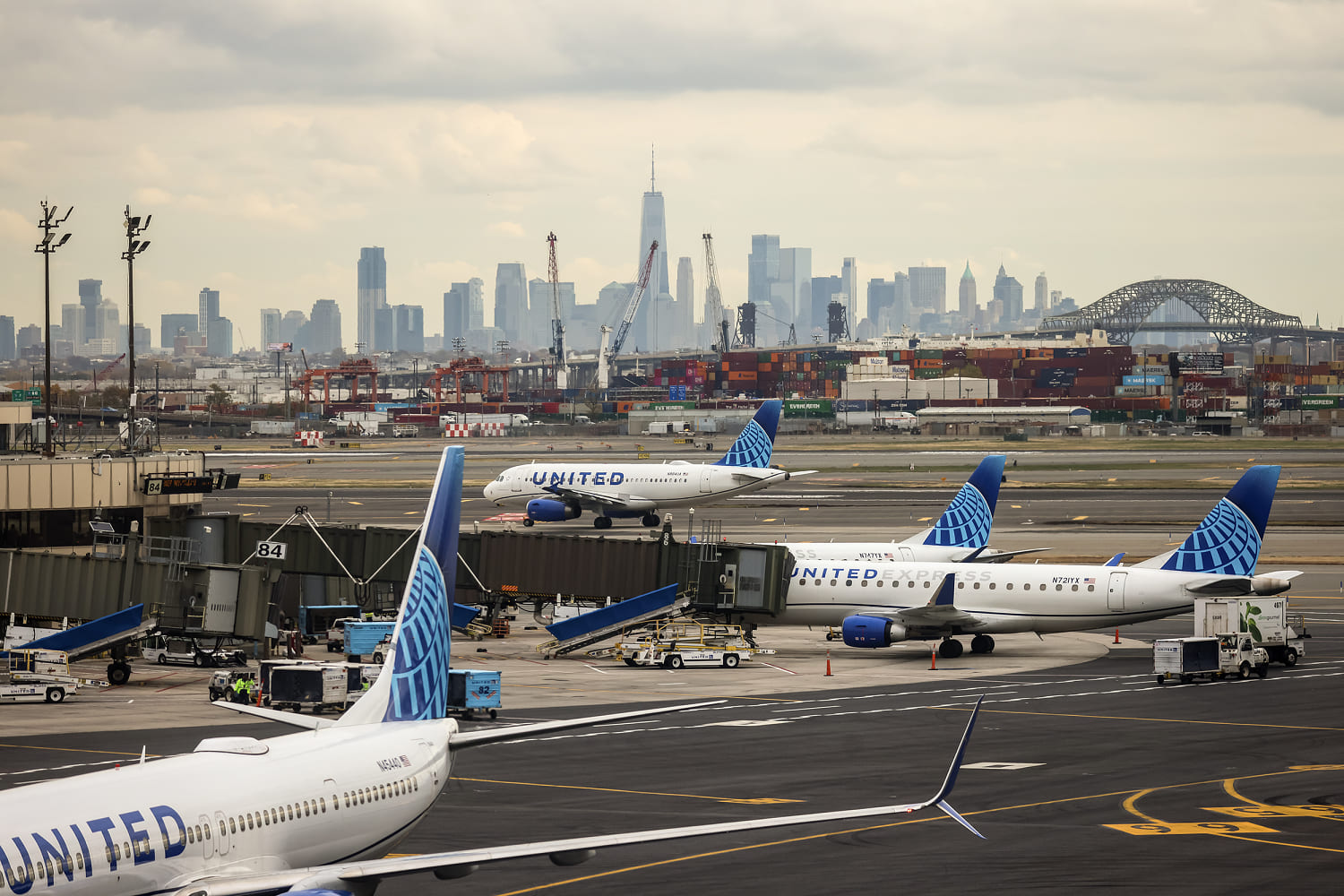
Flights ground to a halt across the northeastern corridor with terrifying predictability. Newark Liberty International and Philadelphia International airports found themselves under immediate Federal Aviation Administration ground stops, stranding thousands of passengers on tarmacs and inside crowded terminals. The official explanations from regulatory bodies usually point toward routine vocabulary like staffing shortages, equipment upgrades, or localized weather patterns.
Those explanations mask a far deeper operational rot within American aviation infrastructure.
The Anatomy of a Systemic Breakdown
When the FAA orders a ground stop at major hubs like Newark and Philadelphia, the ripple effects radiate across the entire national airspace system. A delay on the East Coast cascades into missed connections in Chicago, grounded cargo in Dallas, and displaced flight crews unable to legally operate their next segments due to mandatory rest regulations.
The immediate trigger for these recent ground stops involves acute bottlenecks in air traffic control centers combined with aging automation architecture. The physical hardware managing radar handoffs and flight plan sequencing relies on systems that date back decades. While commercial aircraft fly with ultra-modern avionics suites, the people guiding them from the ground frequently stare at legacy data terminals that struggle to process modern traffic densities.
Air traffic control facilities in New York and Philadelphia operate under chronic understaffing. Controllers work mandatory six-day weeks, logging punishing overtime hours that degrade cognitive performance. When unexpected variables hit the system—such as convective summer storms or minor hardware glitches—the margins for safety shrink to zero. The FAA exercises its authority to halt departures not because planes are falling from the sky, but because the human beings behind the scopes have reached their absolute operational capacity.
The Cost of Deferred Modernization
For decades, Congress and the executive branch treated aviation modernization as a political football rather than an existential national security priority. Projects intended to transition the United States from ground-based radar to satellite-based positioning, known as NextGen, faced endless budget delays, scope creep, and contractor disputes.
Airlines bear a portion of the blame. Carriers pack dense schedules into constrained hourly slots at slot-controlled airports like Newark, squeezing every possible dollar out of asset utilization. When weather or minor technical hiccups hit, the schedule shatters. There is no slack in the system. Planes sit waiting for gates because arriving flights missed their windows, creating a domino effect that turns terminals into holding pens.
Passengers bear the brunt of this friction. Compensation mandates in the United States remain toothless compared to European passenger rights regulations. When the FAA slams the brakes on Newark and Philadelphia, carriers can legally relegate stranded travelers to digital voucher systems and unhelpful chatbot queues, insulating themselves from the true financial cost of their scheduling hubris.
What Real Reform Requires
Fixing the chronic ground stop crisis demands capital allocation and regulatory courage that Washington has consistently lacked.
First, the FAA must overhaul its controller hiring and retention pipelines. Training an air traffic controller takes years, and the attrition rate during the academy phase remains unnecessarily high due to rigid evaluation models. Salaries must scale to compete with private industry compensation for high-stress technical roles, particularly in high-cost-of-living metropolitan areas like New York and Philadelphia.
Second, the Department of Transportation needs to enforce realistic scheduling caps on legacy carriers. Allowing airlines to sell tickets for flight paths they know the local infrastructure cannot absorb is a form of regulatory negligence. If a hub cannot physically handle sixty arrivals an hour during peak convective weather, the scheduling authority must reduce permitted operations before the first engine turns over.
Until those structural overhauls occur, travelers moving through the northeast corridor will continue to play an expensive, frustrating game of aviation roulette, waiting for the next administrative hammer to fall from the control tower.


