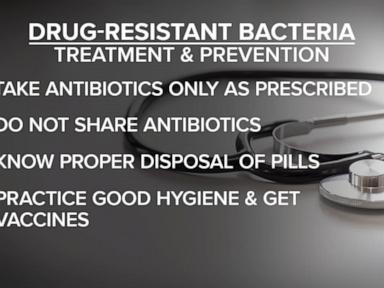
Drug-resistant bacteria are outpacing modern medicine because the global pharmaceutical market is fundamentally broken, leaving hospitals with empty shelves when standard antibiotics fail. While federal health agencies like the Centers for Disease Control and Prevention routinely issue urgent warnings about rising antimicrobial resistance, the core crisis is not just biological evolution. It is an economic failure that has driven major drugmakers out of antibiotic research, turning routine infections, minor surgeries, and standard cancer treatments into high-stakes gambles against untreatable pathogens.
Walk into any intensive care unit in the country, and you will find infectious disease specialists playing a high-stakes guessing game with diminishing tools. For nearly eighty years, the medical establishment operated under a comfortable illusion. Whenever a bacterium figured out how to survive penicillin, chemists simply synthesized a stronger compound in a lab. That assembly line has ground to a halt.
The Silent Collapse of the Antibiotic Pipeline
The numbers tell a stark story that rarely makes the evening news. Between 1980 and 1984, the Food and Drug Administration approved 19 new systemic antibiotics. Between 2010 and 2014, that number dropped to six. Today, the clinical pipeline is dangerously thin, and the few drugs that do make it to market are mostly slight chemical tweaks to existing classes of medication rather than novel compounds capable of outsmarting bacterial defenses.
Bacteria do not recognize pharmaceutical patents or fiscal quarters. Every time a dose of antibiotics is administered—whether to a patient with strep throat or a cow on an industrial feedlot—it applies evolutionary pressure. The weak bacteria die. The ones carrying a random genetic mutation that allows them to pump out the drug, alter their cell walls, or neutralize the chemical compound survive and multiply.
They also share their homework. Through a process called horizontal gene transfer, bacteria can pass resistance genes directly to entirely different species via tiny loops of DNA known as plasmids. A harmless gut bacterium can hand off the genetic blueprint for surviving last-resort carbapenem antibiotics to a virulent strain of Klebsiella pneumoniae inside a single hospital sink drain.
Consider a hypothetical scenario that plays out in variations across American trauma centers every week. A forty-year-old man is admitted after a routine motorcycle accident requiring orthopedic surgery to pin a fractured femur. The surgery goes well, and he is discharged. Two weeks later, he returns with a fever and localized swelling. Cultures reveal an infection caused by a strain of Acinetobacter baumannii resistant to every standard first- and second-line therapy. Doctors are forced to reach for colistin, a toxic, decades-old antibiotic abandoned in the 1970s because it causes severe kidney damage. Even then, the odds of clearing the infection drop dramatically, and a preventable injury spirals into systemic sepsis.
Why Big Pharma Abandoned the Battlefield
If the medical need is undeniable, why are the world's largest pharmaceutical companies shutting down their infectious disease divisions? The answer comes down to basic corporate math.
Developing a new drug from early discovery to regulatory approval costs upwards of $1 billion and takes more than a decade. For a pharmaceutical executive answering to shareholders, investing that capital into a daily pill for high cholesterol, diabetes, or autoimmune disorders guarantees a steady, multi-year revenue stream. Patients take those drugs for the rest of their lives.
Antibiotics are the exact opposite. A patient takes an antibiotic for seven to fourteen days, gets cured, and stops buying the product. Worse yet, from a financial perspective, the better a new antibiotic is, the less it gets used.
When a hospital pharmacy buys a newly approved, broad-spectrum antibiotic designed to kill superbugs, infectious disease doctors immediately lock it in a metaphorical vault. Under strict antimicrobial stewardship protocols, clinicians are forbidden from prescribing the new drug for everyday infections. They hold it in reserve for the worst-case scenarios to prevent bacteria from developing resistance to the new weapon.
For the company that spent a billion dollars inventing that drug, stewardship translates directly into bankruptcy. Several promising biotech firms—including Achaogen and Melinta Therapeutics—successfully navigated the grueling FDA approval process, brought genuinely needed antibiotics to market, and subsequently filed for Chapter 11 bankruptcy protection because their sales revenues could not even cover the cost of keeping the lights on.
The Hospital Blind Spot
While public health alerts frequently blame patients for demanding antibiotics for viral colds, the institutional reality inside healthcare facilities is far more complicated. Hospitals themselves are primary incubators for multidrug-resistant organisms, yet economic and regulatory pressures often undermine containment efforts.
Rapid diagnostic testing remains underutilized. When a patient arrives in the emergency room with suspected sepsis, doctors do not have forty-eight hours to wait for a traditional petri dish culture to identify the exact pathogen and its resistance profile. Every hour of delay increases mortality risk. Consequently, clinicians are forced to prescribe broad-spectrum antibiotics immediately—a necessary clinical reflex that nevertheless carpets the patient's microbiome in chemicals and accelerates resistance.
- Outdated surveillance infrastructure: Many smaller community hospitals still rely on manual reporting methods rather than real-time genomic sequencing to track outbreaks on their wards.
- Staffing shortages: Understaffed nursing units struggle to maintain the rigorous contact isolation protocols required to stop pathogens like Candida auris or MRSA from hitching a ride on stethoscopes, bedrails, and unwashed hands.
- Financial disincentives: Under standard Medicare reimbursement models, hospitals receive a fixed lump sum based on a patient's diagnosis. Expensive, newly approved antibiotics eat directly into the hospital's operating margin, creating a subtle financial nudge to stick with older, cheaper generics until it is too late.
The Agricultural Multiplier
You cannot separate human medicine from industrial agriculture. Globally, roughly two-thirds of all antibiotics sold are used not in hospitals, but in livestock production. While the United States has banned the use of medically important antibiotics strictly for animal growth promotion, vast quantities are still administered to cattle, pigs, and poultry under the umbrella of disease prevention.
Crowded feedlots create ideal conditions for bacterial transmission. Low-dose antibiotics mixed into feed and water suppress subclinical infections, allowing animals to gain weight faster, while simultaneously turning livestock guts into massive factories for resistance genes. Those genes do not stay on the farm. They enter the soil through manure, wash into local waterways, and travel directly into residential kitchens on raw meat.
The Real Cost to Modern Medicine
When pundits discuss the post-antibiotic era, they often frame it around apocalyptic plagues. That framing misses the real danger. We do not need a novel airborne pathogen to paralyze modern healthcare; losing the efficacy of standard antibiotics will do it quietly from the inside out.
Modern medicine relies entirely on our ability to prevent and treat secondary bacterial infections. Without reliable antibiotics, the risk calculus of routine procedures changes overnight.
- Oncology becomes lethal: Chemotherapy wipes out a patient's white blood cells, leaving them defenseless against common bacteria. Currently, one in five cancer patients undergoing treatment requires antibiotics to survive an infection. Without effective drugs, standard chemotherapy regimens become too dangerous to administer.
- Organ transplants stall: Transplant recipients must take lifelong immunosuppressant drugs so their bodies do not reject the new organ. A single resistant urinary tract infection or bout of pneumonia can quickly turn fatal.
- Routine surgeries turn high-risk: Hip replacements, cesarean sections, appendectomies, and dental extractions all carry an inherent risk of introducing skin bacteria into sterile tissues. Pre-operative prophylactic antibiotics make these procedures safe. Remove that safety net, and surgical mortality rates revert to early twentieth-century levels.
Unproven Alternatives and Hard Realities
Faced with a failing chemical pipeline, researchers are revisiting unconventional therapies, most notably bacteriophages—viruses that naturally hunt and destroy specific bacteria. Phage therapy has existed for over a century, largely in Eastern Europe, and has recently saved the lives of several high-profile patients in the United States suffering from intractable infections.
Yet phage therapy is far from a silver bullet. Unlike a broad-spectrum pill that a doctor can pull off a shelf, bacteriophages are hyper-specific. A phage that destroys one strain of Pseudomonas will completely ignore a slightly different strain of the exact same species. Treating a patient requires isolating their specific bacterium, screening massive viral libraries to find a match, purifying the virus, and administering it—a bespoke, time-consuming process that does not easily scale to millions of patients in community clinics.
Other researchers are exploring CRISPR-based antimicrobials designed to slice up resistance genes inside living bacteria, alongside monoclonal antibodies that neutralize bacterial toxins without killing the microbe outright, theoretically avoiding evolutionary pressure. These approaches show promise in early laboratory trials, but they remain years away from routine clinical deployment.
Fixing the Broken Economics
Science is not the primary bottleneck here. Economics is. Until governments decouple pharmaceutical profits from the volume of pills sold, the antibiotic pipeline will remain dry.
Policy experts and infectious disease societies have proposed a straightforward fix known as the subscription model, most notably outlined in the proposed PASTEUR Act in the United States. Under this framework, the federal government would pay drug companies a fixed annual fee—ranging from hundreds of millions to over a billion dollars—for guaranteed access to a critical new antibiotic, regardless of how many doses are actually used.
This approach aligns financial incentives with public health goals. The pharmaceutical company gets a predictable return on its research investment, allowing it to attract private venture capital. Meanwhile, hospitals get access to the life-saving medication without feeling pressured to overprescribe it to pay off the manufacturer. The United Kingdom has already piloted a similar subscription program, proving the mechanics can work within a national healthcare system.
Resistance is an inevitable law of biology. Every antibiotic we ever invent will eventually lose its edge against microbial adaptation. The only variable we control is whether we maintain an active, funded, and sustainable system to replace those drugs before the old ones fail completely, or whether we wait until a routine scratch requires a prayer instead of a prescription.