Crude oil prices surged globally following renewed United States military strikes against Iranian targets, immediately dragging central bankers back into a defensive posture against stubborn inflation. Markets reacted instantly to the Middle Eastern escalation. Energy traders bid up Brent and West Texas Intermediate futures overnight, pricing in potential choke points across the Strait of Hormuz and structural damage to regional production nodes.
Inflation fears returned with a vengeance because energy costs act as a universal tax on economic activity. When crude spikes, the cost of moving freight, manufacturing goods, and generating electricity climbs simultaneously.
For two decades, covering commodity markets has taught me one hard truth. Wall Street panics over headlines, but supply chains bleed from friction.
The Immediate Shock Mechanism
Energy markets operate on a hair trigger during geopolitical crises. A kinetic strike in the Persian Gulf does not just destroy infrastructure. It reprices risk for every barrel currently afloat on the world's oceans. Insurance premiums for tankers traversing dangerous zones spike overnight. Refiners scramble to secure alternative feedstocks.
Shipping companies pass these elevated costs down the line with ruthless efficiency.
- Freight Surcharges: Transoceanic carriers implement emergency bunker adjustments immediately.
- Refining Bottlenecks: Jet fuel and diesel crack spreads widen as traders anticipate localized shortages.
- Utility Adjustments: Power generators running on petroleum distillates or competing natural gas face instant margin compression.
The transmission belt from a missile strike in the Middle East to a higher price tag at a domestic grocery store is shorter than most economists care to admit. Diesel powers the tractors harvesting the crops. Diesel powers the eighteen-wheelers hauling those crops to distribution hubs. When crude prices jump by ten percent, food and retail prices follow within a matter of weeks.
Central banks understand this transmission mechanism all too well. The United States Federal Reserve and the European Central Bank spent the last several years trying to cool consumer prices without triggering a deep recession. Just as headline inflation numbers began trending toward comfortable targets, a fresh supply shock threw those models into disarray.
The Structural Vulnerability Nobody Mentions
Most mainstream financial reporting treats these oil spikes as temporary blunders caused by sudden violence. That view ignores structural realities. Global spare production capacity sits concentrated in very few hands, primarily within the OPEC cartel and its allies. When key export corridors face genuine threat, the global economy lacks a sufficient shock absorber.
Years of underinvestment in traditional upstream exploration have left the world running on a thin margin of error.
Consider a hypothetical scenario where regional hostilities block tanker traffic through the Strait of Hormuz for just fourteen days. The volume of crude removed from international commerce daily dwarfs the combined emergency releases of the strategic petroleum reserves held by major economies. Governments can tap state stockpiles to calm immediate panic. They cannot replace twenty percent of daily global supply for an extended period.
Traders know this mathematical reality. They price the worst-case scenario into the curve the moment military action begins.
This dynamic creates an awkward dilemma for monetary policymakers. If central banks raise interest rates further to combat the imported inflation caused by expensive oil, they risk choking off an already slowing industrial sector. If they look past the energy spike and keep rates steady, inflation expectations among consumers and businesses might unanchor.
The Consumer Squeeze and Corporate Margins
Corporate boardrooms are bracing for another margin squeeze. Companies that spent the post-pandemic era successfully passing higher costs onto consumers find themselves facing consumer fatigue. Shoppers are tapped out. Credit card delinquencies are ticking upward, and personal savings rates have dwindled.
When input costs surge under these conditions, businesses cannot simply raise prices without cratering sales volume.
- Airlines: Jet fuel represents one of their highest variable operating expenses, forcing carriers to either absorb losses or hike ticket prices into weaker demand.
- Chemical Manufacturers: Feedstocks derived from petroleum form the basis of plastics, fertilizers, and pharmaceuticals, spreading cost pressures across unrelated sectors.
- Logistics Providers: Fleet operators face compressed operating margins as fuel surcharges fail to cover the full velocity of pump price increases.
The burden falls unevenly across income brackets. Lower-income households spend a significantly higher percentage of their disposable income on energy and transportation. A sudden spike in crude prices acts as a regressive tax, forcing families to cut back on discretionary spending and services. This contraction ripples outward, dampening retail sales and slowing employment growth in consumer-facing industries.
The Geopolitical Risk Premium
Geopolitical risk premiums are notoriously difficult to price accurately because they rely on human irrationality and military miscalculation. A single stray drone or misidentified vessel can escalate a contained regional skirmish into a broader maritime blockade. Energy markets are currently paying for this tail risk.
For years, energy independence narratives dominated political discourse in Washington. Proponents argued that domestic shale production insulated the American economy from foreign supply shocks.
That theory contains a fundamental flaw. Oil is a globally traded fungible commodity. A disruption anywhere on the planet shifts the global supply-demand balance, driving up prices at domestic pumps regardless of where the crude was pumped out of the ground. American oil producers sell their product into the highest bidder's market. Domestic production mitigates volume shortages, but it offers zero immunity against global price spikes.
Looking Past the Panic
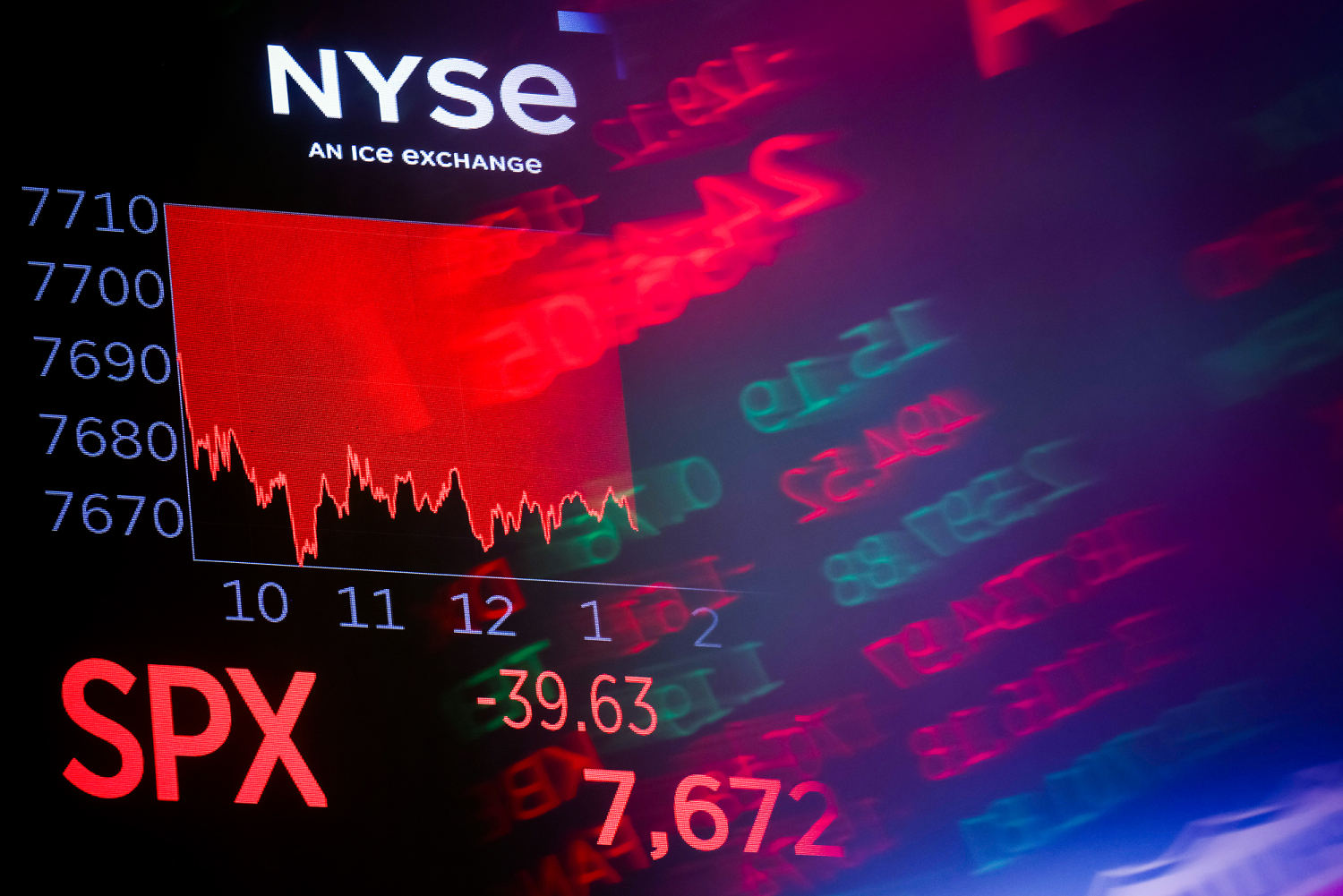
The immediate reaction to the latest strikes follows a familiar script of panic, algorithmic selling in equity markets, and a frantic flight into safe-haven assets like the U.S. dollar and gold. Yet, markets have historically shown resilience once the initial fog of war clears and physical trade routes prove adaptable. Tankers find longer alternate routes around friction points. Producers increase output where physically possible.
The deeper danger lies not in the immediate price spike, but in the psychological shift it produces.
Inflation expectations are sticky. Once consumers and wage earners expect everyday items to remain expensive, they demand higher wages and adjust their purchasing behavior accordingly. Central banks fight this psychological entrenchment much harder than they fight raw commodity fluctuations.
As long as energy infrastructure remains a pawn in geopolitical chess matches, the global economy will remain vulnerable to sudden inflationary shocks. The latest strikes on Iranian targets are not an isolated event. They are a stark reminder that the modern industrial world still runs on a volatile, highly contested liquid asset.
Refiners are already adjusting run rates. Bond traders are repricing terminal interest rates. The bill for Middle Eastern instability has arrived, and consumers will pay it at the pump.