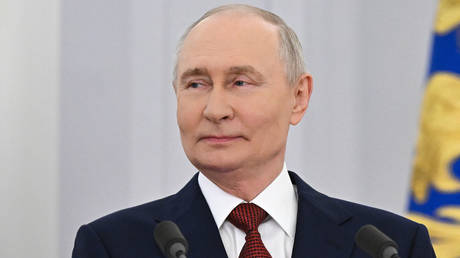
Russian President Vladimir Putin, Chinese President Xi Jinping, and Indian Prime Minister Narendra Modi converged in Bishkek for the Shanghai Cooperation Organisation summit, managing a complex geopolitical chess match where shared economic survival trumps deep-seated regional rivalries. Beneath the polished diplomatic handshakes lies a hard calculation: Washington's widening net of secondary sanctions and financial coercion has forced Eurasia's major players into an unprecedented tactical alignment.
The Shanghai Cooperation Organisation has evolved from a quiet regional border-monitoring mechanism into a heavyweight economic and security block representing roughly a quarter of global GDP and over three billion people. When Putin, Xi, and Modi occupy the same room, Western capitals watch closely. The optics of these bilateral huddles signal more than routine diplomacy. They reveal the construction of parallel financial and logistical architectures designed to bypass Western choke points entirely.
Look past the red carpets and cultural performances at the Ala Archa State Residence, and the friction points become clear. India and China share a heavily militarized, disputed Himalayan border that froze relations following the deadly 2020 Galwan Valley clashes. Yet, New Delhi refuses to let territorial disputes preclude pragmatic economic engagement. India's voracious appetite for discounted Russian crude keeps Moscow's war chest afloat, defying Western embargoes while simultaneously infuriating Washington policymakers.
During his bilateral session with Putin in Bishkek, Modi pressed a familiar, pointed message, stating that every day spent in war sets humanity back and urging an accelerated path toward peace. This balancing act defines India's strategic autonomy. New Delhi maintains active security dialogues with the United States through the Quad while sitting down with Moscow and Beijing to architect a multipolar world order that reduces Western financial hegemony.
For Beijing, the summit serves as a platform to project economic gravity across Central Asia. Xi continues to market the bloc as an alternative security architecture that rejects Cold War blocs and unilateralism. Beijing's deepening trade ties with Moscow cushion the blow of Western trade restrictions, transforming Russia into a massive consumer market for Chinese manufactured goods and a primary supplier of discounted energy.
Yet, Beijing and Moscow harbor their own quiet anxieties. Russia is increasingly sliding into a junior partner dynamic with China, heavily reliant on Beijing's industrial output and financial networks to keep its sanctions-battered economy functioning. Meanwhile, Central Asian republics like Kyrgyzstan and Kazakhstan walk a diplomatic tightrope, eager for Chinese infrastructure investments and Russian security guarantees while fiercely guarding their sovereign independence against overbearing neighbors.
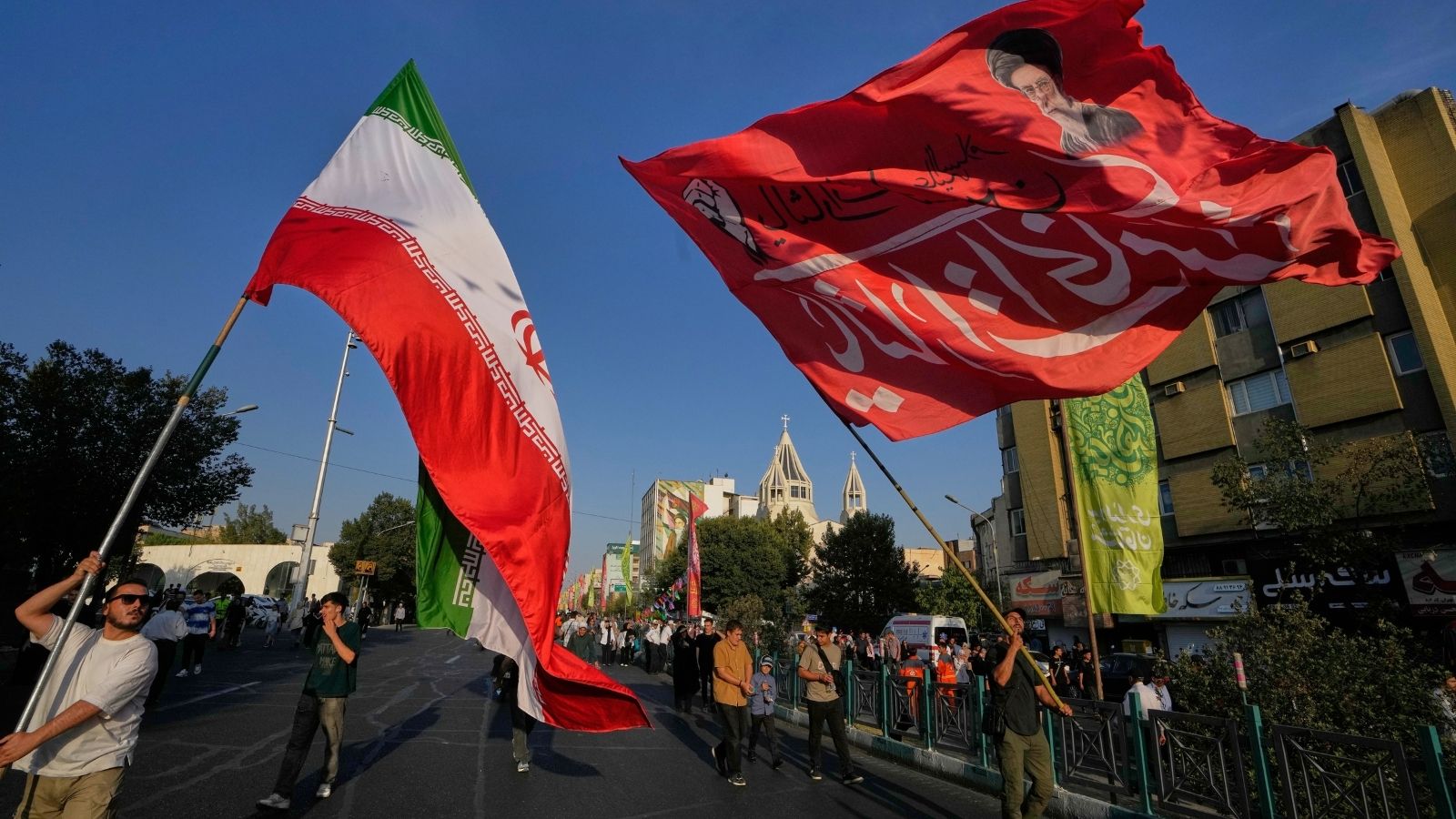
The inclusion of Iran under President Masoud Pezeshkian adds another layer of defiance to the summit. Tehran faces severe economic pressure from Washington, making the bloc an essential lifeline for sanction evasion, energy export routing, and regional integration. By bringing Iran and Belarus into the fold as full members, the block institutionalizes a club of international pariahs and strategic independents who view multilateral financial messaging systems like SWIFT as vulnerable geopolitical weapons.
Western analysts often misread these summits as precursors to a cohesive, anti-Western military alliance akin to an Eastern NATO. That assessment misses the mark. The bloc is not a unified ideological bloc bound by shared democratic or strategic values. It is a marriage of convenience dictated by structural necessity. India has zero intention of becoming a subordinate node in a Beijing-led axis. New Delhi's presence is rooted in protecting its own backyard, securing energy corridors, and ensuring that Central Asia does not become a vacuum for extremist spillover from Afghanistan.
The real narrative of this gathering is not found in the sanitized communique released at the close of the sessions. It resides in the quiet compromises hammered out behind closed doors, the oil tankers rerouted away from maritime choke points monitored by Western navies, and the bilateral friction points temporarily shelved for the sake of long-term survival.
As the delegations pack their bags and depart Bishkek, the structural realignment of global power grinds forward. The center of gravity is shifting steadily eastward, forged by leaders who understand that in an era of weaponized commerce, isolation can only be defeated through collective defiance.