The heavy wooden doors of the negotiations room in Vienna always closed with a distinct, muffled thud. For months, diplomats from Washington and Tehran sat across from each other, breathing in the scent of stale coffee and polished mahogany. They argued over percentages of uranium enrichment, centrifugal speeds, and the precise wording of sanctions relief. When the Joint Comprehensive Plan of Action was finally signed, it felt like a collective exhalation. Ink met paper. Cameras flashed. The world, if only for a brief moment, seemed to tilt away from the edge of a catastrophic cliff.
Then came the scratch of a different pen. Read more on a similar subject: this related article.
With a single, sweeping stroke of his black felt-tip marker, Donald Trump walked away from the accord. He did not just dismantle a policy; he demonstrated that a superpower’s promise could evaporate in the span of a single press conference. That moment altered the trajectory of the Middle East, setting off a chain reaction that echoes loudly through the corridors of power in Tehran today.
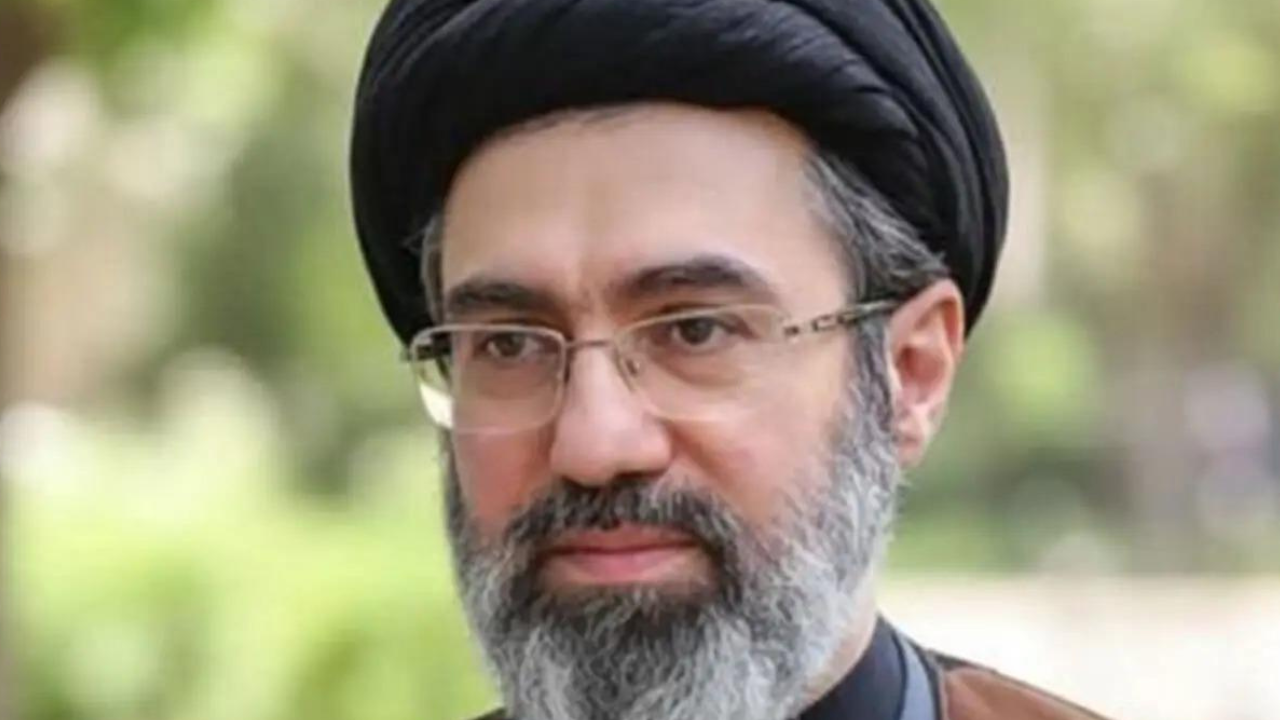
Now, a new man holds the ultimate authority in Iran. Mojtaba Khamenei, having stepped into the formidable shadow of his father as Supreme Leader, looks across the geopolitical chessboard at a returning American president. His first major message to the United States carries no diplomatic nuance. It is not an invitation to talk. Instead, it is a blunt anatomical dissection of American credibility. Additional analysis by NPR delves into similar views on this issue.
Mojtaba Khamenei recently declared Donald Trump’s signature entirely worthless.
To understand why this statement matters, we have to look past the grandstanding of state television and examine the quiet reality of ordinary people trapped between these titanic shifts. Consider a hypothetical shopkeeper in Isfahan named Ahmad. In the brief window after the nuclear deal was signed, Ahmad watched inflation stabilize. He started planning to expand his small business, thinking the worst of the economic siege had passed. When the deal died, his savings decayed almost overnight. The price of medicine soared. The future shrank.
For people like Ahmad, international treaties are not abstract legal concepts discussed in think tanks. They are the difference between security and survival. When Washington broke its word, it did not just anger the ruling clerics; it broke the trust of an entire generation of Iranians who believed a diplomatic bridge could be built.
The new Supreme Leader understands this domestic exhaustion perfectly. By branding the American president’s signature as meaningless, he is anchoring his leadership in a hardened skepticism that resonates with a fatigued public. His warning is clear: Iran will not chase the mirage of another Western agreement that can be torn up at the whim of the next electoral cycle.
Trust is a fragile currency. Once debased, it requires more than promises to restore. The American political system, by design, allows for radical shifts in foreign policy every four years. While this offers domestic flexibility, it creates a profound systemic vulnerability on the world stage. Foreign adversaries look at Washington and see an unpredictable actor, a nation incapable of binding its future self to its present commitments.
Consider what happens next when diplomacy is off the table.
When words lose their utility, nations revert to raw leverage. Mojtaba Khamenei’s warning was accompanied by a clear signal that Iran would continue to advance its strategic capabilities, unburdened by the expectations of Western compliance. The centrifuge halls do not pause for American elections. The technical expertise gained over the last several years cannot be unlearned. The nuclear program is no longer just a bargaining chip; it has become an existential shield.
The tragedy of this impasse lies in its predictability. Both sides are locked in a script written decades ago, repeating the same grievances while the stakes grow exponentially higher. Washington believes maximum pressure will force Tehran to its knees. Tehran believes defiant resistance will force Washington to accept its regional reality. Neither side is entirely right, yet neither can afford to blink.
The current American administration operates under the assumption that economic isolation will eventually trigger a collapse or a capitulation. But history suggests otherwise. Sanctions often harden the resolve of autocratic regimes, providing them with a convenient scapegoat for internal mismanagement while squeezing the middle class out of existence. The very people who might push for a more open, moderate Iran are the ones most severely punished by the economic chokehold.
Meanwhile, the geopolitical landscape does not wait for Washington and Tehran to resolve their feud. Iran has steadily leaned into new alliances, cementing ties with Moscow and Beijing. The isolation America intended to enforce has instead driven a consolidation of an alternative global bloc. The economic architecture of the world is shifting, creating new financial channels that bypass Western banks entirely.
The real danger is the complete absence of a safety valve. During the cold war, Washington and Moscow maintained direct lines of communication to prevent accidental annihilation. Today, the space for such communication between the US and Iran has withered to almost nothing. When a drone strikes a base or an oil tanker is seized, there are no trusted intermediaries to pick up the phone and defuse the tension. A single miscalculation in the Persian Gulf could trigger a conflagration that neither side truly wants.
Mojtaba Khamenei’s public dismissal of Trump’s signature is an acknowledgment of this dead end. It is an admission that the era of grand bargains is over. The language spoken now is entirely transactional, measured in cyberattacks, proxy movements, and uranium purity levels.
We often view history through the lens of individual leaders, focusing on the personalities of presidents and supreme leaders. But the structural forces driving this conflict run much deeper than the men who occupy the offices. It is a clash between an imperial power accustomed to dictating global terms and a revolutionary state defined by its refusal to submit to Western hegemony.
The felt-tip marker that scratched out the nuclear deal in 2018 continues to bleed across the map. It proved to the hardliners in Tehran that negotiation is a fool's errand. It sidelined the pragmatists who argued for engagement. It set the stage for the uncompromising stance that Mojtaba Khamenei now articulate.
There is a cold irony in the fact that the pursuit of a better deal has left the world with no deal at all. The centrifuges spin faster, the regional shadow war intensifies, and the possibility of a peaceful resolution grows more distant by the day. The ink on the old agreement dried long ago, but the consequences of its destruction remain raw, volatile, and deeply unpredictable.