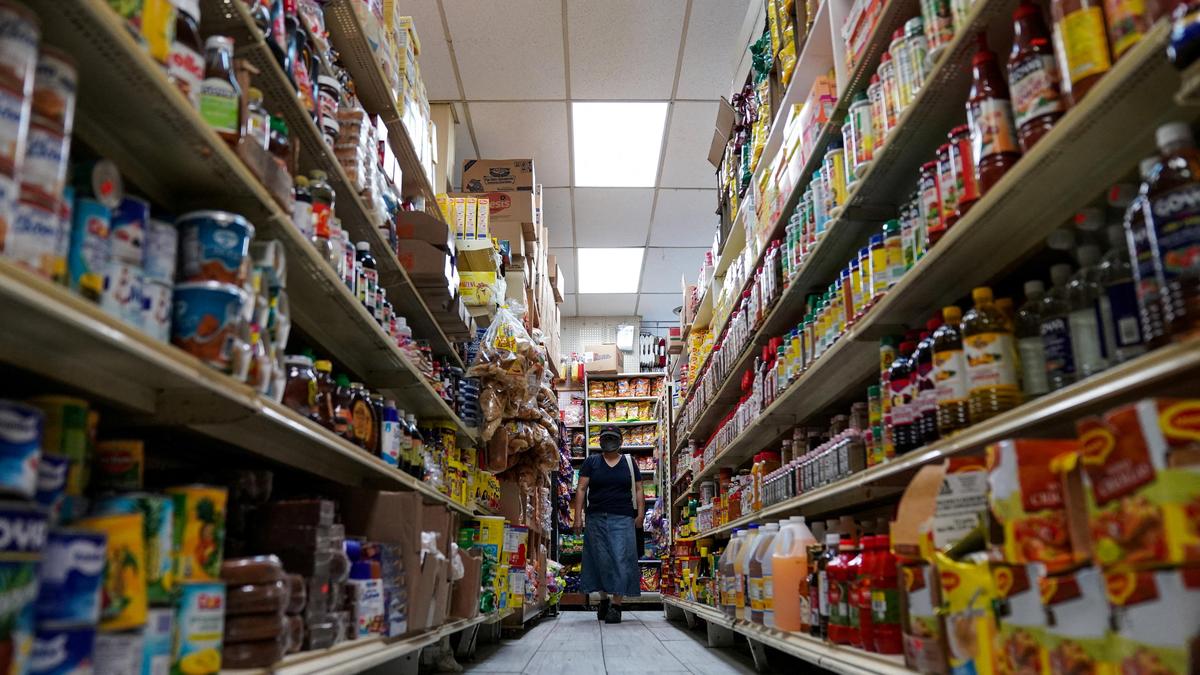
Your morning coffee just got more expensive, and it isn't just because of a fancy new bean. The latest Bureau of Labor Statistics data shows the US Consumer Price Index (CPI) hit a blistering 3.8% annual rate in April 2026. This is the highest we've seen since mid-2023, and if you feel like your paycheck is shrinking, you aren't imagining it. Real hourly earnings actually dropped 0.5% this month. For the first time in years, the average worker’s purchasing power is officially back in the red.
The culprit? Look no further than the gas pump and your utility bill. Energy costs are ripping through the economy like a wildfire.
The Energy Spike Is No Longer Just About Gas
While the headline number is 3.8%, the energy index alone jumped 17.9% over the last year. Gasoline prices are up a staggering 28.4% compared to this time last year. Much of this is tied to the ongoing instability in the Middle East, specifically the tensions involving Iran that have kept global oil prices hovering north of $100 a barrel.
But here’s the thing most people miss: energy isn't a "siloed" cost. When it costs more to fuel a cargo ship or a semi-truck, the price of everything inside that truck goes up too. We’re seeing this "bleed-through" effect everywhere now.
- Grocery Store Pain: Food prices rose 0.5% in April alone. Beef is up 2.7%, and fruits and vegetables climbed 1.8%.
- Travel Costs: Airline fares jumped 2.8% in a single month and are now 20.7% higher than they were a year ago.
- Household Bills: Electricity costs rose 2.1% in April, making it pricier just to keep the lights on.
Core Inflation is Proving Sticky
Economists often look at "Core CPI," which strips out food and energy because they’re volatile. That number rose to 2.8% in April. While that sounds lower than the headline 3.8%, it’s actually more worrying in the long run. It shows that inflation is settling into the "bones" of the economy—things like rent, insurance, and personal care.
Shelter costs, which make up about a third of the CPI basket, rose 0.6% in April. This is a lagging indicator, meaning the high rents people signed for months ago are finally showing up in the official data. If you’re waiting for the Federal Reserve to cut interest rates and make mortgages cheaper, don't hold your breath. With inflation moving away from their 2% target, those high rates are likely staying put for a while.
Why This Matters for Your Strategy
Honestly, the "wait and see" approach isn't working anymore. The data shows that price increases are broadening. It's not just a "car problem" or a "chip problem" like it was a few years ago. It’s a systemic cost-of-living squeeze.
People often make the mistake of thinking inflation will "reset" and prices will go back to 2023 levels. That almost never happens. Inflation just means the speed at which prices rise. Even if inflation drops to 2% tomorrow, these new, higher prices are the new baseline.
What you should do right now
- Audit your recurring costs: With "household furnishings and operations" up 0.7% this month and insurance costs climbing, it's time to shop around for better rates on the fixed stuff you usually ignore.
- Watch the "Secondary" Energy Hits: Since airfares are up 20% year-over-year, if you’re planning a summer trip, book it now. Fuel surcharges aren't going away while oil is at $100.
- Adjust your cash holdings: If your savings account isn't paying at least 4% or 5% interest, you’re actively losing money to that 3.8% inflation rate. Move cash to high-yield accounts or short-term Treasuries.
The administration has floated the idea of a federal gas tax holiday to provide relief at the pump. While that might save you 18 cents a gallon, it’s a drop in the bucket compared to the broader 3.8% surge. The reality is that we're in a period where "cheap" is a thing of the past. You have to be more aggressive with how you manage your money just to stay in the same place.
The Federal Reserve is in a corner. They want to lower rates to help the housing market, but they can't do it while energy is pushing the CPI higher. Expect more volatility in the stock and bond markets as investors realize that the "higher for longer" era of interest rates isn't over yet.