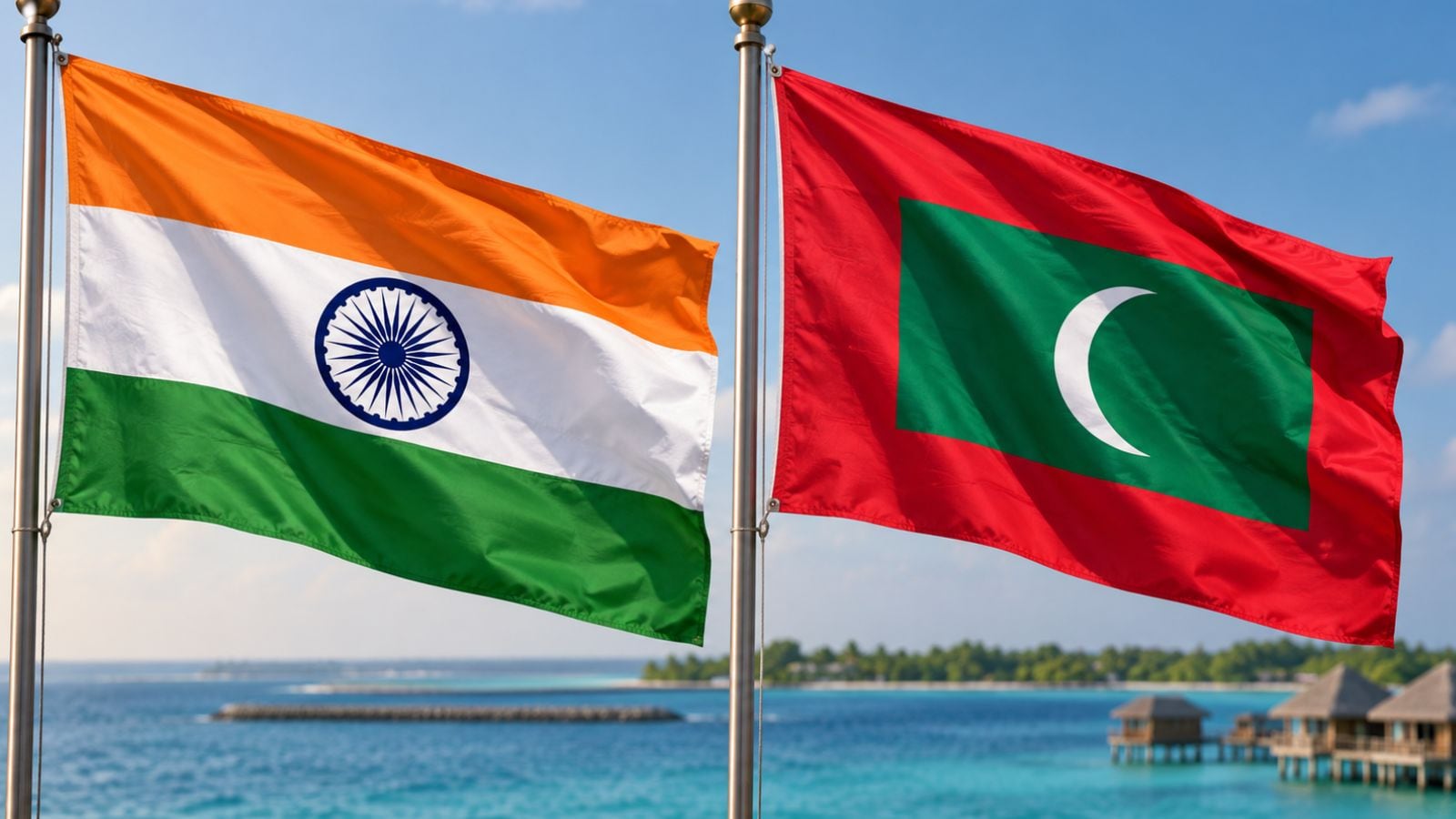
When New Delhi greenlit the rollover of its 30 billion rupee currency swap facility for the Maldives in October 2026, most headlines treated it like routine diplomatic plumbing. Honestly, that misses the point. A central bank extending liquidity isn't just paper shuffling when an island economy is squeezed on foreign exchange and staring down a repayment cliff.
Here is the bottom line right up front. India agreed to roll over the ₹30 billion (₹3,000 crore) rupee swap arrangement requested by Malé, following the first drawdown that took place on April 23, 2026, with the rollover taking effect from October 23, 2026. That move buys the Maldives breathing room on short-term external pressure while keeping Indian rupees flowing through regional trade and central bank channels. For an alternative look, read: this related article.
If you only watch dollar reserves, a rupee swap can sound confusing at first glance. Why hand over Indian rupees instead of cold, hard US dollars? Let's break down how the mechanics work, why timing matters right now, and what it actually changes on the ground.
How the 30 Billion Rupee Swap Facility Actually Works
A central bank currency swap isn't free money, and it isn't a traditional commercial loan either. Think of it more like an agreed-upon temporary exchange between the Reserve Bank of India and the Maldives Monetary Authority (MMA), where one side provides currency now and both sides agree to unwind the exchange later on set terms. Similar analysis on this matter has been shared by Business Insider.
Under the SAARC Currency Swap Framework for 2024–27, India set up two distinct buckets for neighboring central banks:
- A USD/Euro Swap Window with an overall corpus of US$2 billion.
- A dedicated INR Swap Window totaling ₹250 billion (₹25,000 crore), designed with concessional terms to encourage drawals in Indian rupees.
When the Maldives signed its bilateral swap agreement with the RBI in October 2024 during President Mohamed Muizzu's state visit to India, it gained access to both US$400 million under the USD/Euro window and ₹30 billion under the INR window. Once the Maldives drew down the ₹30 billion in April 2026, rolling it over six months later in October meant extending that short-term liquidity lifeline instead of forcing an immediate repayment crunch.
From a practical standpoint, rolling over a swap is a classic stabilization tool. Central banks use these facilities as a backstop so a partner country doesn't have to drain scarce hard-currency buffers all at once just to settle near-term obligations or keep trade moving.
Why Rupees Matter When Dollars Are Tight
Here is a mistake plenty of casual observers make: assuming that because the Maldives needs US dollars to pay many external bills, a rupee facility doesn't help much. In reality, small import-dependent economies juggle multiple currency pressures at the same time.
The Maldives imports a massive share of its food, building materials, consumer goods, and fuel. When foreign exchange feels tight—and Maldivian reporting in autumn 2026 noted elevated dollar pressure alongside efforts to rebuild reserves—every bit of relief on trade settlements or central bank liquidity counts. Even if rupees don't magically erase a dollar shortage, using rupees for eligible trade and financial flows reduces immediate strain on scarce US dollar reserves.
There is also a bigger policy angle here. New Delhi has spent years pushing for greater internationalization of the Indian rupee in South Asia. Offering a concessional INR swap window isn't just generosity; it's a deliberate way to make the rupee more practical and familiar in regional transactions.
Still, I wouldn't oversell what a currency swap can fix on its own. A swap is a bridge, not a structural cure. If a country has deep fiscal deficits, heavy debt service, or structural balance-of-payments imbalances, rolling over a short-term facility buys time—it doesn't rewrite the underlying math of the economy.
Beyond the Swap: The Broader Financial Picture
Looking at the 30 billion rupee currency swap facility in isolation gives you an incomplete picture of India's financial footprint in the Maldives. Official summaries of bilateral support highlight several moving pieces that sit alongside the swap line:
- Treasury instruments and interest relief: Past support has included longer-term Maldivian Treasury bond subscriptions (such as US$250 million and US$100 million tranches) and settlements of US$150 million across three Treasury bills, with India absorbing US$42.8 million in interest costs.
- Diplomatic framing: Indian officials have tied this financial backing to broader regional initiatives, including the "Neighbourhood First" policy, the MAHASAGAR vision, and the Joint Vision for a Comprehensive Economic and Maritime Security Partnership agreed upon in October 2024.
- Strategic geography: The Maldives sits right beside vital Indian Ocean shipping lanes, including the 8° N and 1½° N channels. Economic stability in Malé isn't abstract geopolitics for New Delhi—it sits right next door to India's maritime backyard.
What makes this dynamic interesting—and occasionally debated—is how financial aid interacts with domestic politics. Bilateral assistance can stabilize an economy quickly, yet critics and analysts in South Asia regularly debate how much external credit or liquidity relief shapes policy choices, infrastructure priorities, and fiscal discipline over the long run. That tension is real, and pretending it doesn't exist makes any analysis flatter.
What This Means for Businesses, Traders, and Watchers
If you track South Asian markets, trade flows between India and the Maldives, or sovereign risk in small island states, you don't need to guess at the headlines. Focus on concrete signals over the coming quarters.
First, watch foreign exchange reserve trends and rollover schedules. A rollover extends the runway, so pay attention to how reserves behave over the next six months and whether future drawdowns or rollovers happen smoothly.
Second, if you're involved in cross-border commerce or trade finance, check with authorized dealer banks on rupee settlement channels and liquidity conditions rather than assuming standard dollar routes are the only friction point. Practical banking details always matter more than diplomatic statements when invoices come due.
Finally, keep an eye on Maldives fiscal and budget adjustments. Short-term central bank swaps work best when paired with credible domestic stabilization—spending discipline, reserve-building measures, and steady tourism and external inflows. When those pieces line up, a rollover does its job quietly; when they don't, you'll see the strain show up in exchange-rate pressure and market jitters soon enough.