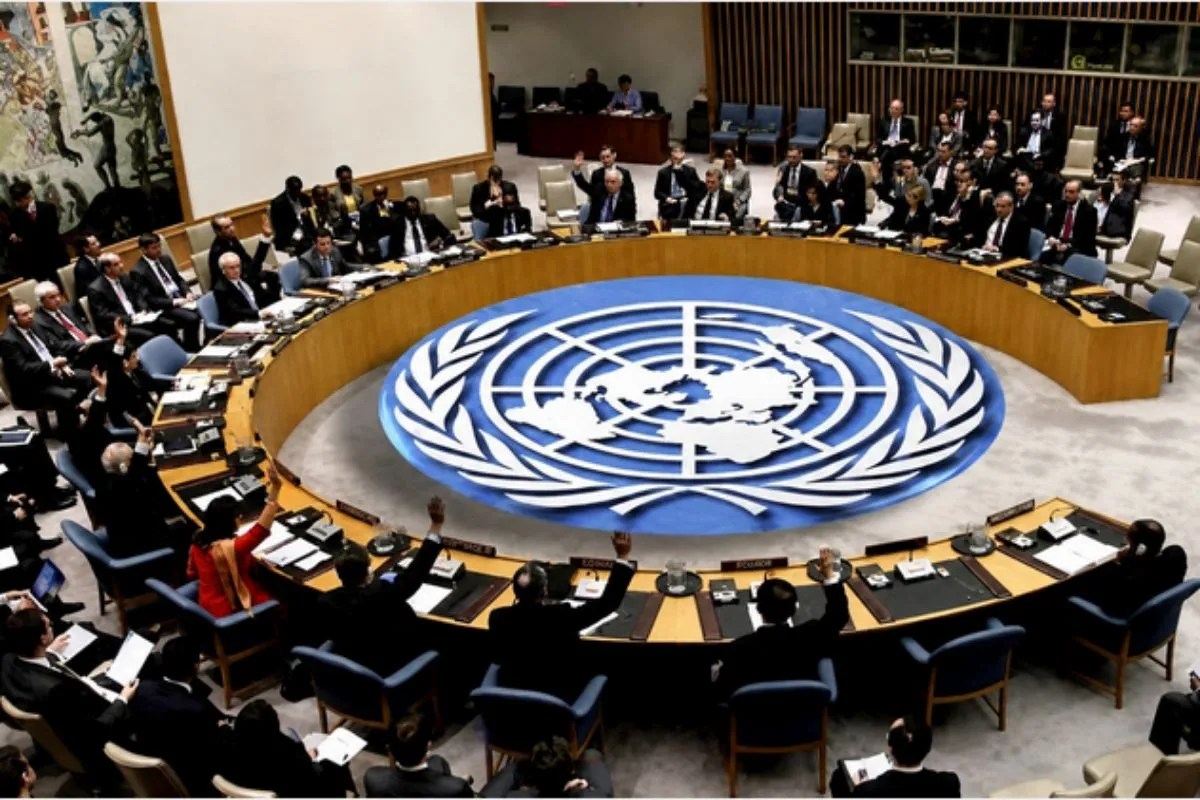
The United Nations Security Council is stuck in a time warp. It reflects the geopolitical realities of 1945, a world that simply doesn't exist anymore. Five nations hold the ultimate veto power, deciding the fate of global conflicts while ignoring the massive shifts in global population and economic power. India wants to change this. The recent intensity in the India campaign for a UNSC seat isn't just about national pride. It's about fixing a broken system that excludes the world's most populous nation from the highest decision-making table.
If you look at the current setup, it's glaringly unfair. The permanent five members—the US, UK, France, Russia, and China—keep holding onto power they grabbed after World War II. India represents over 1.4 billion people. It has a booming economy, a massive tech sector, and a track record of global leadership. Yet, it gets treated like an outsider looking in when the big decisions are made. New Delhi has launched a full-court press to secure a permanent spot, and the global community can no longer just nod along and do nothing.
The Broken 1945 Model Keeping India Out
The current structure of the Security Council is an anachronism. When the UN was formed, large parts of the world were still colonies. The architects designed a system to prevent another world war among the superpowers of that era. They didn't build it to handle a multipolar world. Today, the configuration fails to represent Africa, Latin America, and large parts of Asia adequately.
India has served as a non-permanent member multiple times, most recently during the 2021-22 term. Every time it enters the council, it brings stability and a voice for the Global South. But non-permanent members lack the veto. They lack permanent agenda-setting power. They get elected for two years, make their case, and then step down. This temporary status limits how much long-term policy India can shape.
The campaign for a permanent seat is about ending this cycle. New Delhi isn't asking for a favor. It's demanding a right based on objective metrics. You can't run a global security architecture while ignoring the country that contributes the most troops to UN peacekeeping missions historically. It makes no sense.
What India Brings to the Table
Geopolitics runs on hard power and soft influence. India has both. It's not just about population size. The economic trajectory of the nation makes it indispensable to global trade and security. When global supply chains fractured during recent crises, the world looked to India for pharmaceuticals, technology, and manufacturing stability.
Look at the peacekeeping record. Indian soldiers have put their lives on the line in dozens of UN missions across the globe. They bring discipline, neutrality, and operational excellence to conflict zones. While some permanent members use the UN to launch unilateral interventions or shield their allies, India has consistently supported multilateral solutions.
- Massive Troop Contributions: India remains one of the top cumulative contributors of peacekeepers to the United Nations.
- Economic Clout: As a major global economy, India drives regional growth and stabilizes maritime trade routes in the Indian Ocean.
- Voice of the Global South: Smaller nations look to New Delhi to champion their interests against Western dominance and Chinese expansionism.
We see a clear pattern here. India acts like a permanent member without having the official title. It provides humanitarian aid during natural disasters, manages regional stability, and acts as a diplomatic bridge between the West and non-aligned blocs. Leaving such a power outside the permanent circle weakens the UN's own legitimacy.
The Real Obstacles in New Delhi's Way
Getting into the permanent club isn't easy. The biggest roadblock is the veto power held by the current P5. None of them want to dilute their own influence. While countries like the US, France, and the UK have expressed verbal support for India's inclusion, turning that support into actual institutional reform is a different story altogether.
Then there's China. Beijing remains the most significant hurdle for New Delhi's ambitions. As a permanent member, China has consistently blocked expansion plans that would elevate its regional rival. Every time the discussion gains momentum, Beijing uses procedural delays or demands package deals that include complex conditions, effectively stalling the process.
Internal divisions within the wider UN membership also complicate things. A group of countries called the Uniting for Consensus movement, which includes Pakistan and Italy, opposes adding new permanent members altogether. They prefer expanding non-permanent seats instead. This creates a diplomatic gridlock that has dragged on for decades.
Why the Average Citizen Should Care
You might think UN diplomacy is just for politicians in suits. It isn't. The decisions made at the UNSC directly impact global trade, sanctions, and security frameworks that filter down to regular citizens. When the council slaps sanctions on a country or fails to stop a war, energy prices spike, supply chains break, and inflation hits your wallet.
A permanent seat gives India the power to block resolutions that harm its national interests. Right now, if a hostile nation tries to pass a resolution against India regarding its borders or internal security, New Delhi has to rely on friendly permanent members like Russia or France to use their veto. That creates a dependency. Having its own veto means India can protect its economic growth and national security directly, without begging for favors from other superpowers.
It also changes how global rules are written. Whether it's international counter-terrorism frameworks, maritime laws, or digital governance, a permanent seat ensures that Indian perspectives shape the regulations. It prevents Western or Chinese models from being forced upon the rest of the world unilaterally.
Steps India Must Take to Force a Change
Sitting around and waiting for the UN to reform itself won't work. The bureaucracy in New York is designed to resist change. India needs to maintain an aggressive, multi-layered diplomatic strategy to break the status quo.
First, it must keep building strong minilateral coalitions. The G4 alliance—comprising India, Japan, Germany, and Brazil—needs to coordinate its pressure tactics more effectively. These four nations represent massive economic and political weight. By pushing together, they make it harder for the P5 to ignore the demand for expansion.
Second, leveraging bilateral relationships is crucial. India should make UNSC reform a core benchmark of its bilateral ties with major powers. If a country wants access to India’s massive domestic market, it must offer concrete, actionable backing at the UN, not just vague statements in joint communiqués.
Finally, India needs to continue expanding its leadership in alternative global forums like the Quad and BRICS. By proving that global governance can happen effectively outside the traditional UN framework, New Delhi creates a subtle pressure point. If the UN refuses to modernize, it risks becoming irrelevant as newer, more dynamic groups take over the heavy lifting of international diplomacy. The campaign isn't just a diplomatic exercise. It's a necessity for a country that refuses to let its future be decided by a twentieth-century relic.