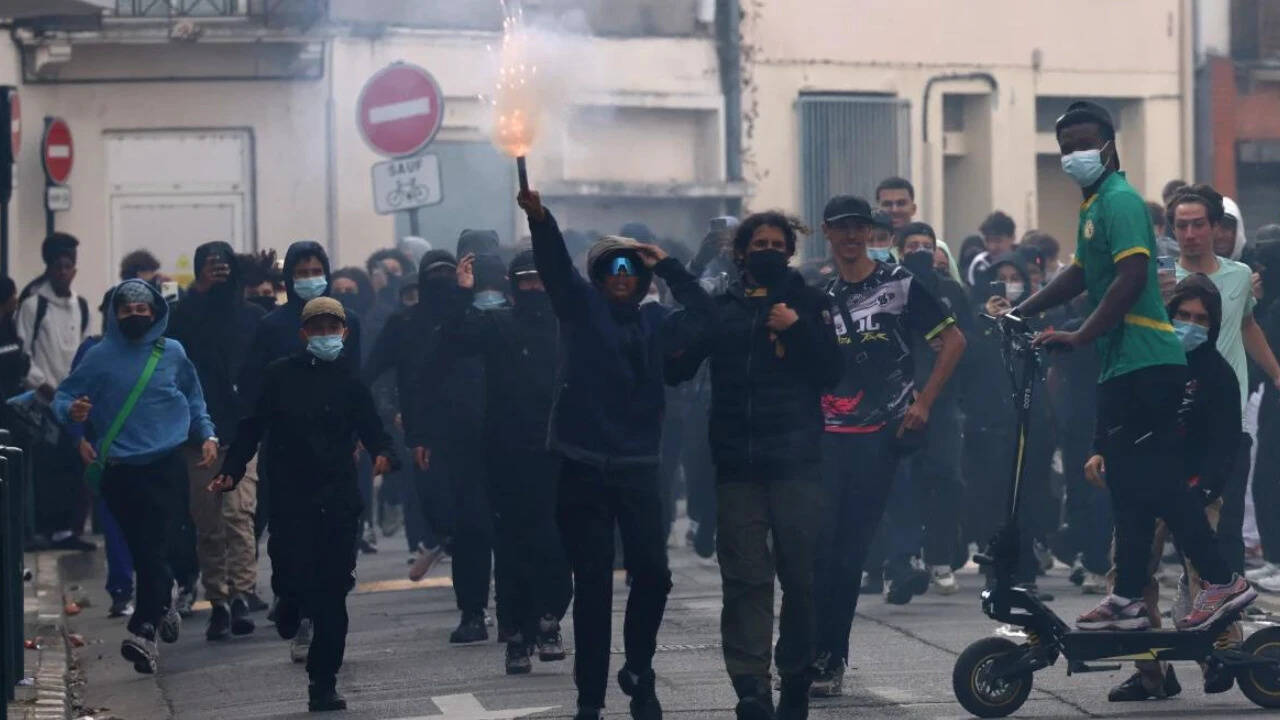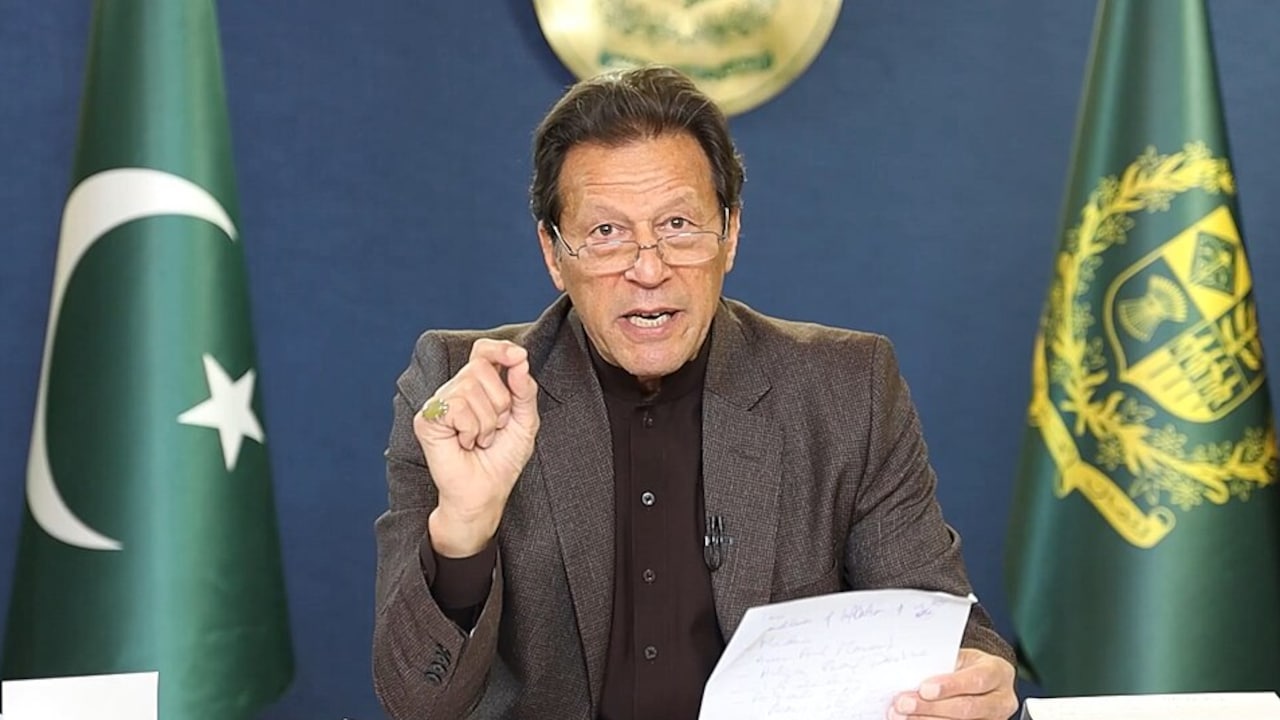
Tens of thousands of protesters don't risk tear gas, highway blockades, and mass arrests just for a routine political rally. Yet every few months, supporters of former Prime Minister Imran Khan pack onto convoys from Khyber Pakhtunkhwa and Punjab, heading straight toward Islamabad.
If you only glance at international headlines, these marches look like sudden bursts of chaos. They aren't. They're the visible pressure valve of a political crisis that has gripped Pakistan since Khan's ouster in April 2022 and his subsequent imprisonment in August 2023.
When ex-PM Imran Khan's supporters start a march in Pakistan, the playbook on both sides is almost predictable by now. Still, each mobilization carries higher stakes for the country's fragile economy, its judicial system, and the balance of power between civilian leaders and the military establishment.
What Triggers These Protests Right Now
People assume the marches are solely about getting one man out of Adiala Jail in Rawalpindi. That's a massive oversimplification. While Khan's release sits at the center of the Pakistan Tehreek-e-Insaf (PTI) party's demands, the anger on the streets runs much deeper than a single court docket.
Supporters are reacting to a specific set of grievances that have stacked up since the February 2024 general elections. Many voters believe their mandate was stolen through widespread rigging and post-election manipulation—allegations that independent observers and even a former senior election official, Rawalpindi Commissioner Liaquat Ali Chattha, publicly raised at the time.
Then came the legal maneuvers. Constitutional amendments passed by the ruling coalition, led by Prime Minister Shehbaz Sharif's Pakistan Muslim League-Nawaz (PML-N) and the Pakistan Peoples Party (PPP), reshaped how top judges are appointed and how constitutional benches operate. To PTI supporters, those changes looked like a direct attempt to neutralize the courts before judges could rule in Khan's favor.
Add crushing inflation to that political frustration. Electricity bills have skyrocketed under International Monetary Fund (IMF) bailout conditions, squeezing middle-class and working-class families who already formed Khan's core base. When people feel broke and disenfranchised at the same time, calling them onto the streets doesn't take much effort.
How PTI Mobilizes Convoys Under Severe Restrictions
Organizing a protest in Pakistan today looks nothing like it did a decade ago. You can't just book a stadium, print flyers, and buy TV airtime. Pakistani media channels rarely broadcast Khan's name or image due to regulatory restrictions from the Pakistan Electronic Media Regulatory Authority (PEMRA).
So how do thousands of people know where to go and when to leave?
It comes down to decentralized digital networks and provincial strongholds. PTI relies heavily on encrypted messaging apps, virtual private networks (VPNs), and overseas diaspora accounts on X (formerly Twitter) to coordinate movements when local internet services get throttled.
The Khyber Pakhtunkhwa Factor
Geography plays a huge role here. PTI governs the northwestern province of Khyber Pakhtunkhwa (KP), led by Chief Minister Ali Amin Gandapur. Having control of a provincial government changes everything.
- A safe staging ground. Convoys assemble in Peshawar, Swabi, and Mardan without immediate interference from local police.
- Heavy machinery. KP-led convoys have repeatedly brought cranes, excavators, and heavy trucks to clear shipping containers placed across highways by federal authorities.
- Political cover. Provincial lawmakers lead the front lines, making it harder for federal security forces to treat the crowds purely as leaderless mobs.
Once those convoys cross the Indus River at Attock Bridge into Punjab, the dynamic shifts instantly. Punjab's provincial government, run by Chief Minister Maryam Nawaz, treats the approaching marchers as an unlawful security threat.
The Government Playbook for Stopping a March
If you've ever watched live coverage of a PTI march approaching Islamabad, you've seen the shipping containers. Authorities weld massive steel cargo containers together and stack them two or three high across major arteries like the M-1 and M-2 motorways, GT Road, and the entry points to Islamabad's Red Zone.
It's blunt, expensive, and disruptive. Shutting down the capital and surrounding twin cities costs the economy millions of dollars every single day in lost trade, stranded freight, and closed businesses.
Alongside physical blockades, the state relies on a few standard tactics:
- Section 144 enforcement. Authorities routinely invoke this colonial-era legal provision to ban public gatherings of four or more people, turning participation itself into an arrestable offense.
- Pre-emptive raids. Police conduct night raids on the homes of local PTI organizers, parliamentarians, and social media activists days before a scheduled march.
- Communications blackouts. Mobile data services and cellular networks are frequently suspended in Islamabad, Rawalpindi, and parts of Punjab, sometimes accompanied by nationwide slowdowns on WhatsApp and X.
- Riot police and paramilitary deployment. Rangers and Frontier Constabulary units back up local police with tear gas shells, rubber bullets, and water cannons.
Does it stop the marches? Temporarily, yes. Convoys get slowed down, separated, and exhausted before reaching D-Chowk, the symbolic square in front of Parliament House. Yet stopping a convoy on a highway doesn't solve the underlying dispute. It just pushes the next confrontation back by a few weeks.
What Most Observers Get Wrong About the Standoff
A common mistake in outside analysis is viewing this purely as a clash between two political parties—PTI versus PML-N. Anyone who follows Pakistani politics closely knows that misses the real power center.
In Pakistan, major political outcomes rarely happen without the involvement of the powerful military establishment. Khan himself rose to power in 2018 with what critics widely described as the backing of the military's top brass, before falling out with them in 2021 over key intelligence appointments and foreign policy decisions.
Today, the roles are completely flipped. The current coalition government enjoys institutional backing, while Khan demands that the military step back from politics entirely. Because neither side trusts the other to honor a negotiated compromise, every street protest turns into a zero-sum test of endurance.
Another misconception is that PTI's support is fading because its top leadership is either jailed or in hiding. Turnout during major calls to action suggests the opposite. Even without traditional rally infrastructure, grassroots anger keeps filling the streets, often led by younger, less-known local organizers who stepped up after senior leaders were detained.
The Real Cost to Everyday Pakistanis
While politicians trade blame on television and social media, ordinary citizens absorb the immediate damage.
When Islamabad goes into lockdown, hospitals struggle to get staff through checkpoints. Students miss exams. Daily wage earners—rickshaw drivers, street vendors, shopkeepers—lose their entire income for days at a time without any compensation.
International investors watch these images too. Pakistan is trying to stabilize its economy, attract foreign direct investment from Gulf states, and keep its multi-billion-dollar IMF program on track. Repeated highway closures, internet shutdowns, and violent clashes near diplomatic enclaves send the exact opposite message to anyone thinking about putting money into the country.
Even digital businesses take a hit. Pakistan's IT sector and freelance workforce—one of the bright spots in an otherwise struggling economy—lose clients and deadlines every time the government throttles internet speeds to block protest coordination.
How to Follow Updates Accurately Without Falling for Misinformation
Whenever a major march kicks off in Pakistan, social media floods with recycled videos from 2014 or 2022, doctored casualty figures, and premature claims that one side has completely collapsed. Separating fact from partisan spin takes a deliberate approach.
- Cross-check major wire services. Outlets like Reuters, Associated Press (AP), and Al Jazeera maintain correspondents on the ground in Islamabad and verify crowd sizes and clashes independently.
- Watch local independent journalists. Reporters covering the Islamabad High Court and district administration beats often post real-time updates on highway openings, detention numbers, and court orders before television channels air them.
- Verify video timestamps and landmarks. Before sharing dramatic footage of tear gas or container removals, look for recognizable highway signs, weather conditions, or vehicle license plates to confirm it's actually from the current mobilization.
- Track Islamabad High Court proceedings. Many flashpoints around protest permissions, detention orders under the Maintenance of Public Order (MPO) ordinance, and internet suspensions get argued directly in front of IHC judges within hours.
Political marches in Pakistan aren't going away as long as ballot disputes, judicial battles, and economic pain remain unresolved. Watching the highways around Islamabad tells you who controls the streets on a given afternoon, but watching the courts and the economy tells you how long the standoff can actually last.