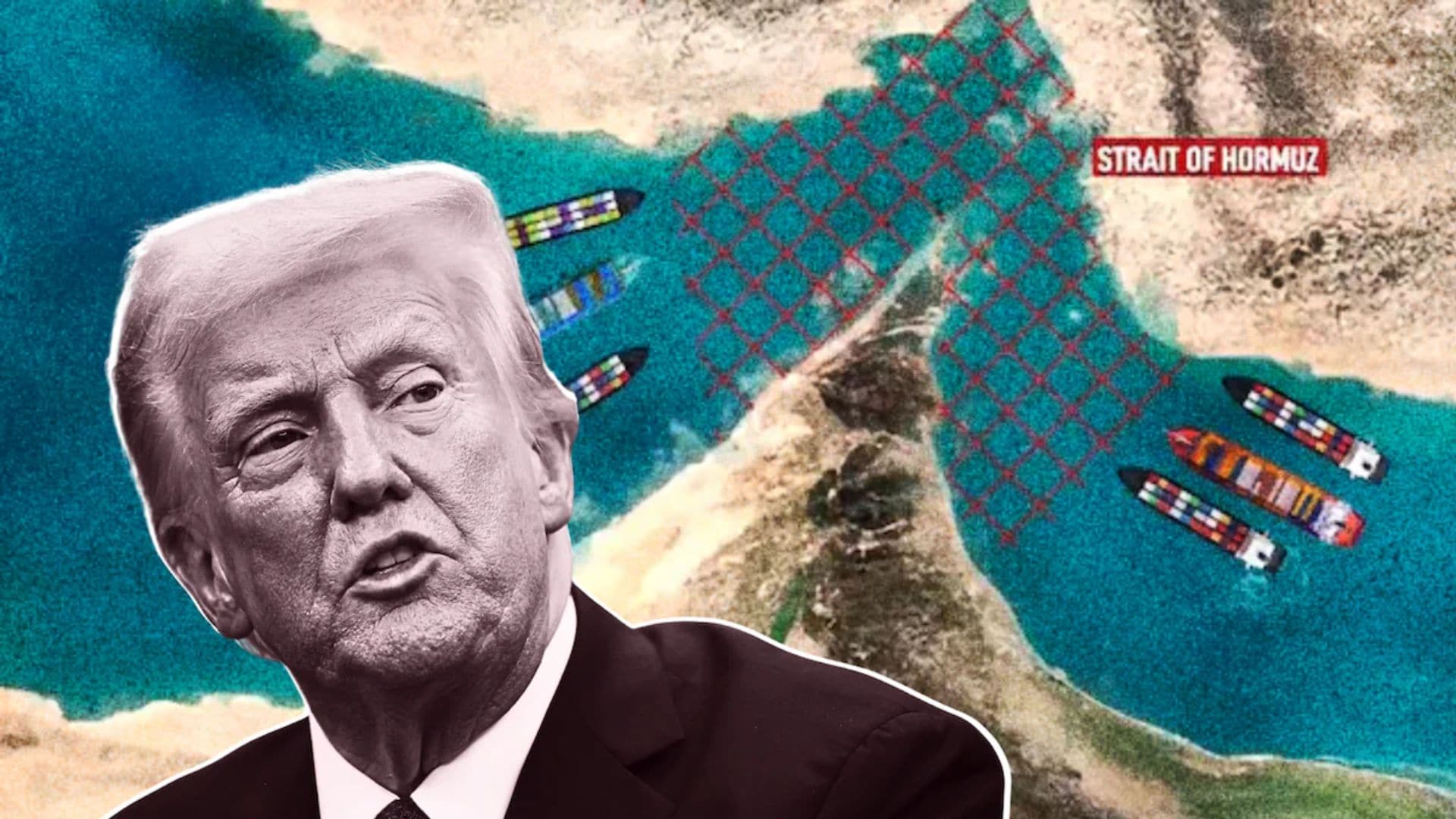
The white-hot tension that has strangled global energy markets for months supposedly breaks tomorrow. According to a volley of weekend social media declarations from Washington, a definitive peace pact to end the war with Iran is ready for signatures, a development that would theoretically see the blockaded Strait of Hormuz declared open to all maritime traffic instantly. But the celebration is premature. While Washington projects absolute victory, claiming the imminent dismantlement of Iran's nuclear program and an unhindered return to free trade, reality on the ground offers a far more complicated picture.
Tehran is already pushing back against the timeline. Iranian state media quickly moved to temper expectations, explicitly denying that any documents would be signed on Sunday and citing unresolved technical disputes. This disconnect underscores a deeper friction. Behind the triumphant rhetoric lies a messy geopolitical compromise where the pre-war status quo has been permanently shattered, leaving the world's most critical energy transit corridor fundamentally transformed.
The primary point of contention rests on who actually commands the waterway. For decades, the international community treated the narrow passage between Iran and Oman as an open highway, policed by the shadow of American naval supremacy. The 2026 conflict changed the rules.
Faced with punishing joint air campaigns and a subsequent naval blockade aimed at forcing regime change, Tehran weaponized its unique geography. By mining the shipping lanes, imposing strict cargo screening, and demanding transit fees paid in Chinese yuan, Iran asserted an unprecedented level of physical control over the channel. The draft memorandum of understanding, brokered through frantic Pakistani and Qatari mediation, attempts to unwind this knot.
The immediate terms appear straightforward. The United States will lift its counter-blockade on Iranian ports and begin releasing billions of dollars in frozen sovereign assets. In return, Iran is expected to cease hostilities and permit the demining of the straits. Yet, the diplomatic friction persists over the fine print.
Iranian officials have dropped hints that they intend to retain some form of regulatory oversight, viewing maritime service fees as a legitimate exercise of territorial sovereignty. Washington insists on completely unrestricted, toll-free passage. This is not a minor bureaucratic disagreement; it is a fundamental clash over the future of maritime law in the Persian Gulf.
Then there is the matter of the nuclear infrastructure, which served as the catalyst for the conflict. The American administration has laid out a highly cinematic vision of postwar disarmament.
"At the appropriate time, when all is calm, we will go in and get the Nuclear Dust, buried deep under the powerful sunken granite mountains, thanks to our beautiful B-2 Bombers and their brilliant pilots, and downblend and destroy it," the official statement read.
This public narrative presents the extraction of highly enriched uranium as a foregone conclusion. The practical execution, however, is a logistical minefield.
Dismantling hundreds of kilograms of weapons-grade material buried under deep subterranean complexes requires an immense level of state cooperation. It cannot be achieved via a handshake or a victory lap on social media. The draft agreement allocates a 60-day window of technical talks specifically to iron out the logistics of this nuclear neutralization.
If those talks stall, the entire framework collapses. The threat of a return to total warfare remains explicitly on the table as the ultimate alternative.
The broader regional fallout has already altered the behavior of neighboring energy exporters. For nearly two years, Arab Gulf states watched their primary economic lifelines targeted by drones, missiles, and naval mines. They have learned a hard lesson about the limits of relying solely on Western military power to keep international waters clear.
Even if the demining vessels successfully clear the channel over the coming weeks, the psychological damage is done. Major petrostates are quietly but rapidly accelerating capital investments into domestic bypass infrastructure.
New overland pipeline networks cutting across the Arabian Peninsula to the Red Sea and the Gulf of Oman are transitioning from backup concepts to urgent national priorities. The goal is simple: reduce absolute dependence on a two-mile-wide shipping lane that can be held hostage whenever Washington and Tehran clash.
The global economy is reeling from the economic collateral of this campaign. The closure of the straits sent natural gas and crude prices soaring, triggering a domino effect that battered the Global South. High energy costs directly drove up the price of synthetic fertilizers, stoking food insecurity in import-dependent nations already burdened by heavy external debt.
A temporary truce or a hastily signed memorandum will not instantly repair these broken supply chains. Freight insurance rates for Gulf-bound commercial vessels will remain elevated until shipping companies see months of uninterrupted, safe transits.
The shadow operations conducted during the height of the blockade—where tankers sneaked through Omani waters at night with their transponder systems blacked out under military drone overwatch—demonstrated just how desperate the market became. Returning to predictable, transparent commercial shipping is a slow process that requires genuine trust, an asset currently in short supply.
The next few days will reveal whether this weekend's announcements represent a true diplomatic breakthrough or merely a pause in an ongoing war of attrition. International mediators in Islamabad and Doha are working to align the contradictory timelines issued by the two capitals before leadership heads to the upcoming G7 summit.
Ultimately, an open strait requires more than a signature on a piece of paper. It requires a stable balance of power. With Iran demanding a new legal framework for the Gulf and Washington demanding total submission, any peace achieved this week will remain incredibly fragile. The strait may open tomorrow, but the underlying geopolitical fault lines are wider than ever.