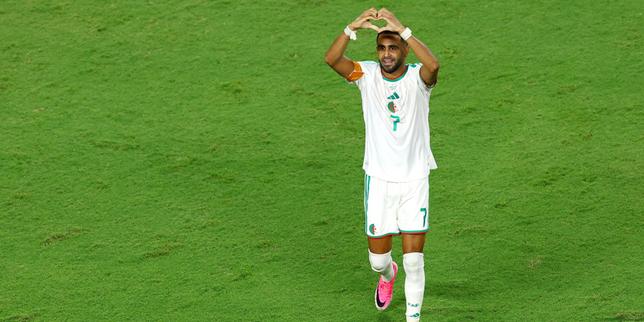
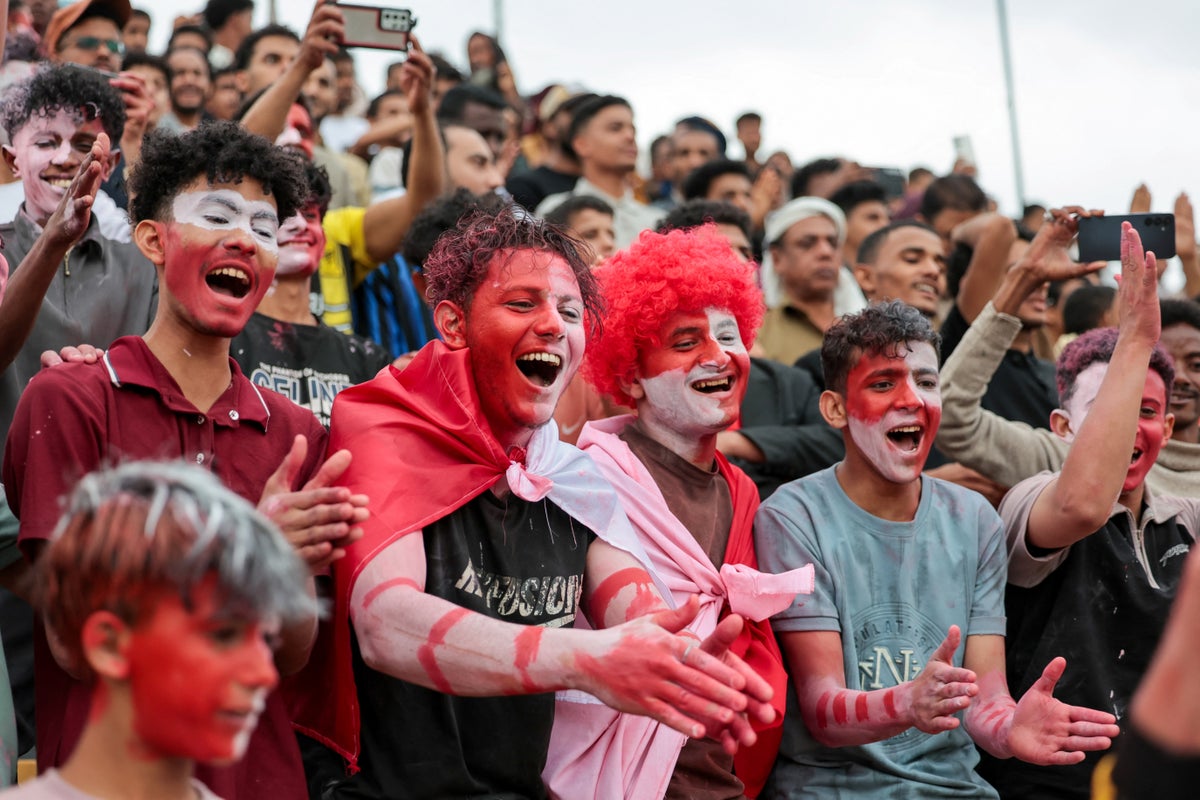
When the final whistle blew and Morocco secured its historic spot in the World Cup semifinals, a familiar narrative flooded global airwaves. Commentators spoke of a unified continent celebrating as one. Social media feeds swelled with declarations that this was a victory for all of Africa. From Dakar to Nairobi, political leaders quickly drafted statements claiming the triumph for the entire continent.
It was a beautiful story. It was also largely a myth.
The idea of pan-African solidarity during major sporting events looks convincing on the surface, but a closer look reveals something far more complex. Continent-wide joy is real, but it is highly conditional. This unity is a temporary truce rather than a permanent shift in geopolitical reality. It lasts only as long as the tournament clock runs. Once the flags are packed away, the deep-seated economic rivalries, migration disputes, and political fractures across the continent return immediately.
Sporting pan-Africanism is a luxury economic model that works in moments of celebration but crumbles under the weight of real-world friction. To understand why this unity is so fragile, we have to look past the stadium stands and look at the actual mechanics of continental relations.
The Fractured Foundation of Continental Pride
Football creates an easy illusion of brotherhood. When an African team succeeds on the global stage, it offers a collective pushback against decades of underrepresentation and dismissive attitudes from traditional European powerhouses. For a few weeks, a shared identity becomes a powerful shield.
But this solidarity is selective. It depends heavily on who is winning and how they fit into regional dynamics.
North Africa and Sub-Saharan Africa have long maintained a complicated relationship, both culturally and politically. When Morocco advanced in Qatar, the celebrations were not uniform across the continent. While many fans south of the Sahara genuinely cheered for the Atlas Lions, the team and its coaching staff frequently framed their historic run in Arab and Islamic terms first, rather than strictly African terms. This distinction did not go unnoticed by fans in West and South Africa.
Geopolitical rivalries do not vanish when a tournament begins. Algeria and Morocco remain locked in a tense, decades-long diplomatic standoff over the Western Sahara. Millions of football fans in Algeria were actively rooting against their neighbors, proving that national security and border disputes easily override any vague notion of continental brotherhood.
The same dynamic plays out in West Africa. The intense football rivalry between Nigeria and Ghana is not just about sport; it reflects a broader competition for economic and cultural dominance in the region. When Ghana faced Uruguay in a highly anticipated rematch, Nigerian fans were openly split, with many actively celebrating Ghana's eventual exit. True pan-Africanism implies a baseline of mutual support, but the reality on the ground looks much more like the fierce, localized rivalries seen in European football.
The Reality of Borders and Trade
The biggest contradiction to sporting unity lies in how African states treat each other's citizens off the pitch. It is remarkably easy to cheer for a neighboring country's striker when he scores a goal. It is much harder to get a visa to visit his country.
The African Continental Free Trade Area was designed to create a single market and encourage the free movement of people. The reality has been a slow, frustrating grind.
- Visa Restrictions: An administrative nightmare still exists for intra-African travel. In many cases, a European passport holder can enter an African country with fewer restrictions and lower fees than a citizen from a neighboring African state.
- Border Closures: Security anxieties frequently trump continental solidarity. Nigeria completely closed its land borders for months to curb smuggling, crippling the economies of neighboring Benin and Niger.
- Xenophobic Tensions: Economic strain regularly causes local populations to turn against migrant workers from other African nations. South Africa has seen repeated waves of violence against truck drivers and small business owners from Zimbabwe, Nigeria, and Mozambique.
These are not minor diplomatic disagreements. These are systemic structural barriers. A continent cannot genuinely claim a unified identity when its laws and borders are explicitly designed to keep its neighbors at arm's length. The cheers in the fan zones cannot drown out the bureaucratic hostility faced by regular travelers and traders trying to cross an African border.
The Migration Pipeline to Europe
The talent drain on local leagues further complicates the narrative of African self-reliance. The infrastructure of African football mirrors the continent's broader economic relationship with the Global North.
Elite talent is discovered early and exported rapidly. The domestic leagues across the continent are systematically hollowed out to feed European clubs. When these players return to wear their national team jerseys during the World Cup, they are celebrated as national heroes. Yet, their training, salaries, and daily lives are rooted entirely in France, England, Spain, or Italy.
This creates a strange paradox. The teams representing Africa on the global stage are often products of European academy systems. Senegal's golden generation and Cameroon's legendary squads have relied heavily on players born or raised in Europe. This is not a failure of patriotism; it is a rational response to the lack of investment in local facilities. While the victories bring immense pride, they also serve as a stark reminder that the continent still struggles to develop and retain its own talent without external infrastructure.
Money and Power Inside the Federations
The administrative side of African sports reveals another layer of fragmentation. The Confederation of African Football has historically been a battlefield for geopolitical influence rather than a hub of cooperative development.
Voting blocs within the organization routinely split along linguistic and regional lines. Francophone, Anglophone, and Arabic-speaking nations frequently vote as distinct units to secure executive positions and hosting rights for major tournaments. These decisions are driven by national self-interest and political bargaining, with little regard for a unified continental strategy.
Money complicates things further. The distribution of television rights, sponsorship revenue, and development funds from global governing bodies is a constant source of friction. Wealthier federations with established corporate backing can afford elite training camps and world-class staff. Poorer federations are left scrambling to pay basic player bonuses, leading to public strikes and internal chaos during major tournaments. This massive disparity in wealth and resources makes a mockery of the idea that all African nations are playing the same game.
Moving Beyond Temporary Solidarity
If African unity is ever to move beyond a marketing slogan used during international tournaments, the approach must change radically. It requires moving past the emotional high of a ninety-minute match and addressing the hard structural realities that keep the continent divided.
Real integration starts with infrastructure. The continent needs functional, interconnected transport networks that allow people and goods to move efficiently without exorbitant costs. It requires a genuine commitment to dismantling the visa barriers that make regional travel a bureaucratic nightmare. It demands that wealthier nations invest in regional development rather than shutting their borders at the first sign of economic trouble.
The emotional power of sport is undeniable. It can inspire, it can capture the world's attention, and it can provide moments of pure, shared joy. But a football match is a terrible foundation for a political philosophy. Until the continent addresses the economic walls, border restrictions, and political rivalries that define daily life for its citizens, pan-Africanism will remain exactly what it is today. A beautiful, fleeting illusion that vanishes the moment the stadium lights go dark.