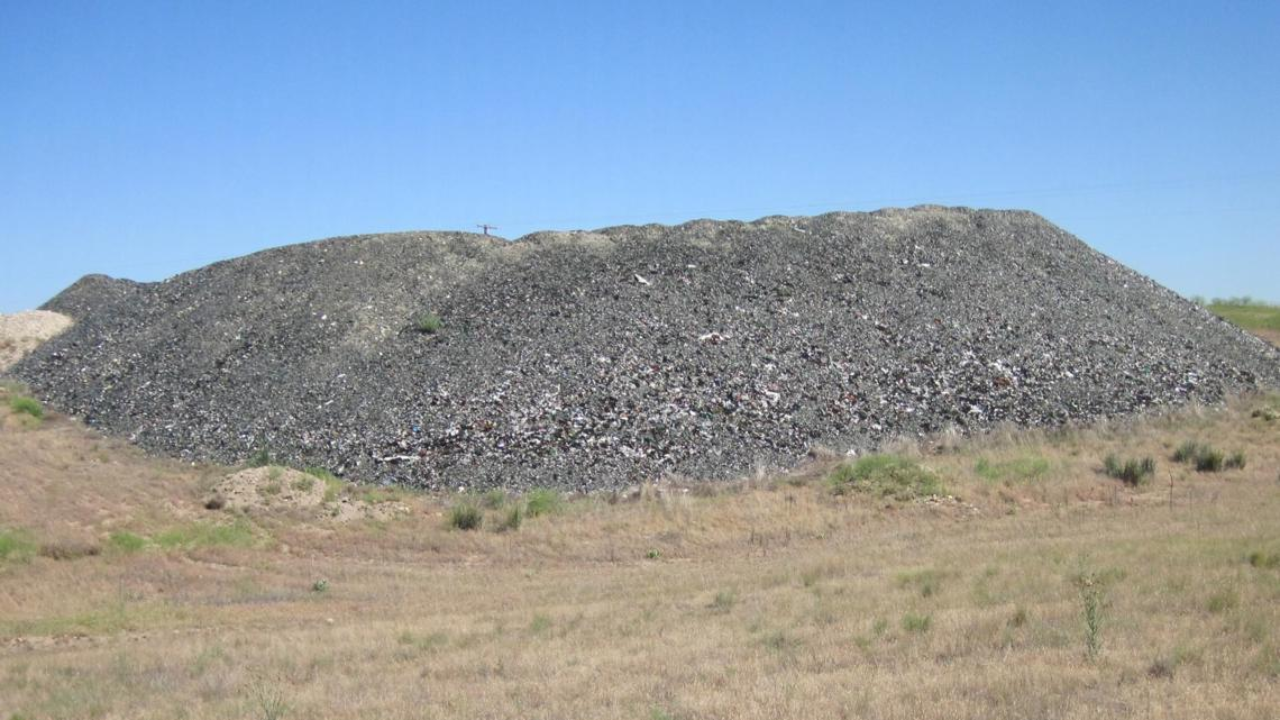
Discarded glass bottles usually end up in landfills, taking millions of years to decompose. Back in 2002, transportation authorities in Idaho decided on a wildly different route. They took nearly 300 tons of crushed waste glass and buried it directly beneath a stretch of Highway 75 near Ketchum.
This wasn't a reckless dumping stunt. It was a calculated civil engineering trial designed to solve a localized recycling bottleneck while building a better road base. If you have ever wondered what happens when municipal waste meets heavy infrastructure, this project provides a fascinating case study in practical resourcefulness.
The Problem With Rural Recycling
Rural communities face a brutal economic reality when handling post-consumer glass. Shipping heavy, low-value glass bottles to distant processing plants often costs more than the material is worth.
By the early 2000s, the Ohio Gulch Recycling Center in the Wood River Valley was drowning in accumulating piles of glass. Local landfills were filling up fast. State Senator Clint Stennett championed an initiative to redirect that glass away from local dumps and into civil infrastructure instead.
Instead of paying exorbitant haulage fees to transport glass out of the mountains, local officials brought the problem straight to the asphalt.
Turning Bottles Into Road Base
Civil engineers transformed the discarded bottles into a material known as glass cullet. When crushed down to optimum particle sizes below 9.5 millimeters, sharp edges disappear completely.
The processed glass behaves remarkably like natural sand and crushed rock. Highway crews laid an eight-to-twelve-inch layer of this crushed glass cullet directly beneath a 200-foot test section of Highway 75. Workers handled the material using standard heavy construction equipment without needing specialized gear.
The Federal Highway Administration supports these applications through specific technical guidelines. Clean glass cullet displays high internal friction angles and strong drainage properties. It stands up to heavy vehicular traffic just as well as traditional quarried aggregate.
Beating the Freeze-Thaw Cycle
Central Idaho experiences brutal winters. Sub-zero temperatures wreak havoc on standard roadbeds through freeze-thaw cycles, triggering widespread cracking and severe potholes.
Crushed glass offers a distinct thermal advantage over natural stone. It features lower thermal conductivity, which helps insulate the underlying road bed against extreme temperature swings. Better insulation means less frost heaving and a longer lifespan for the asphalt wearing course above.
Environmental safety checks confirmed that inert glass cullet does not leach harmful chemical contaminants into surrounding soil or groundwater tables. The project proved that municipal waste could meet strict engineering standards while protecting local ecosystems.
Moving Forward With Sustainable Infrastructure
The success of the Highway 75 pilot project offers a blueprint for modern civil engineering. Many state transportation agencies now permit up to 10 to 15 percent crushed glass in asphalt mixes, and up to 30 percent in unbound subbase layers.
If you work in municipal planning or waste management, look closely at local industrial byproducts. Stop letting valuable structural materials sit in landfills when they can support the roads beneath your feet.

