Human composting in Australia is moving from fringe curiosity toward state-level policy debate as major cities run out of burial space and high-emission cremations face climate scrutiny. Turns out, turning human remains into soil is not as simple as burying someone in a backyard garden and waiting for roses to bloom. It requires strict thermophilic heat, careful carbon-to-nitrogen balancing, heavy regulatory overhauls, and public acceptance that still stalls when grief meets microbiology.
I have spent three decades covering infrastructure, municipal planning, and contested industry shifts across the Asia-Pacific. Usually, when a new sector pitches itself as an environmental savior, someone quietly leaves out the zoning battles, pathogen controls, or commercial bottlenecks. Death care is no different. Behind the gentle language of returning to the earth sits an industry colliding with urban real estate economics, state cremation laws, and deeply rooted cultural habits.
How Soil Turns Bone Into Compost
Most casual readers picture natural organic reduction—commonly called human composting or terramation—as a slow, passive decay inside a wooden box. That picture is wrong. If you put a human body into a shallow trench with some woodchips and leaves, you do not get clean, safe garden soil. You risk groundwater contamination, slow anaerobic putrefaction, odor, and surviving pathogens.
Real human composting is an engineered aerobic process. Inside a controlled vessel or structured bay, a body is surrounded by organic amendments—typically woodchips, straw, or alfalfa—chosen to create a calibrated carbon-to-nitrogen ratio and maintain airflow. Oxygen feeds beneficial microbes that break down soft tissue and accelerate the breakdown of bone mineral structures over several weeks, followed by a curing stage where the resulting soil is screened, tested, and cooled.
Heat is the non-negotiable gatekeeper. Microbes generate thermal energy as they work, and temperatures inside an active composting vessel must climb high enough and stay elevated long enough to neutralize common infectious agents and pharmaceuticals of concern. When temperatures drop too early or airflow channels unevenly, the batch fails standard safety thresholds. Operators cannot eyeball it. They have to monitor core temperatures, moisture levels, and aeration continuously.
Even after the primary breakdown finishes, bone fragments do not magically vanish into thin air. Harder mineral material is typically mechanically processed or ground and blended back into the cured soil so the family receives a uniform, earthy material rather than chunks of unreduced calcium. Anyone selling human composting as a hands-off miracle skips the engineering required to make the end product biologically safe and emotionally acceptable to grieving relatives.
Why Australia Is Facing a Death Care Squeeze
Australia does not lack land on a continental map. It lacks available, affordable, and politically uncontested land where people actually want to live, work, and be buried.
Metropolitan cemeteries in cities like Sydney and Melbourne have long confronted tightening space constraints. Expanding a municipal cemetery in an established urban ring means competing directly with housing subdivisions, transport corridors, industrial estates, and parks. Councils face brutal math. Every hectare dedicated to perpetual burial plots is a hectare unavailable for homes, schools, or active public open space, while maintenance obligations stretch on for decades with shrinking revenue once plots sell out.
Cremation stepped into that space decades ago and became the default norm across much of the country. It solved the immediate land crunch and offered families a portable, lower-cost alternative to traditional casket burial. Yet cremation carries its own ledger of costs. Gas-fired crematoria burn significant fossil fuel energy and release carbon dioxide along with trace emissions such as mercury from dental amalgam, depending on filtration standards and equipment age.
That tension explains why human composting keeps resurfacing in Australian policy circles. When burial land runs tight and climate targets tighten around municipal and commercial energy use, alternatives start looking less like hippie eccentricity and more like practical infrastructure. Still, land scarcity alone does not legalize a new method overnight. State and territory laws govern how human remains are handled, transported, treated, and disposed of, and those statutes were written long before biological soil transformation entered mainstream funeral planning.
The Regulatory Maze Nobody Talks About
Legalizing human composting in an Australian jurisdiction is not a single stroke of a minister's pen. It cuts across public health acts, environmental protection regulations, cemetery legislation, and local planning codes.
Health regulators worry first about biosecurity and pathogen inactivation. A facility handling human remains is not a backyard compost bin or a standard green-waste yard. Regulators demand proof of validated time-temperature curves, leachate containment, odor mitigation, and strict chain-of-custody controls so remains are never mixed up or improperly released.
Environmental agencies look at runoff, air emissions, and end-use rules. Once remains become composted soil, where can that soil legally go? Can a family spread it on private land? Can it be used in public parks or conservation reserves? What happens if a family moves house five years later and new owners dig up the garden? Those questions sound small until a lawyer or public health officer asks them in a committee hearing.
Local councils add another layer of friction. Even where state law permits an alternative disposition method, a facility needs a physical site with proper zoning, truck access, odor buffers, and community buy-in. Nobody wants a facility approved next door without transparent safeguards, yet communities routinely push back against anything tied to death, waste processing, or industrial operations near residential streets.
Consider a hypothetical example from a mid-sized regional city trying to attract a green funeral operator. Suppose a council identifies an industrial-zoned parcel on the edge of town, only to discover stormwater rules require costly containment engineering, neighbors object to perceived odor risks, and state health guidelines lack clear testing benchmarks for finished human compost. The operator stalls before cutting a single ribbon. That is how promising ideas bog down—not from dramatic villains, but from uncoordinated paperwork and risk-averse bureaucracy.
What the Soil Actually Means to Families
Strip away the policy briefs and environmental metrics, and human composting lives or dies on a deeply personal question: how does it feel to a grieving family?
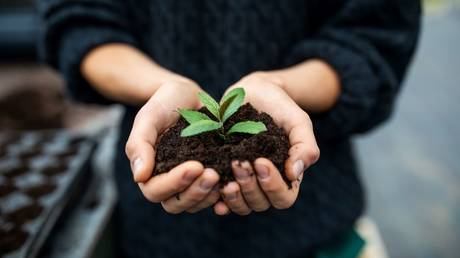
For many people, the appeal is emotional continuity. Instead of a sealed vault underground or an urn sitting on a shelf, there is a tangible return to living cycles. Families often receive a portion of the finished soil to nurture a tree, scatter in a meaningful spot, or keep close, while excess soil may be directed to conservation or restoration projects where permitted.
Yet that same intimacy can trigger unease. Some people feel comforted picturing their loved one nourishing new growth. Others recoil at the thought of gardening with remains or worry about what happens to soil they cannot personally tend. Neither reaction is irrational. Grief rarely follows a neat spreadsheet.
Religious and cultural traditions add further complexity. Some faiths require whole-body burial within a set timeframe or forbid practices that alter or disperse remains in specific ways, while other traditions prioritize simplicity and stewardship of the earth. A serious industry analyst does not pretend human composting will replace burial or cremation for everyone. It will likely carve out a growing niche alongside them, much like natural burials and direct cremation did over previous generations.
Commercial Realities and Hidden Costs
If you look at human composting strictly as a business model, the economics deserve cold scrutiny. Early adopters in places like North America have shown that boutique green death care can attract strong demand among environmentally minded consumers, but scaling operations comes with real capital and operational hurdles.
Purpose-built facilities require specialized vessels or bays, climate and airflow controls, skilled staff trained in respectful handling and biological monitoring, laboratory testing, and compliance overhead. Unlike a basic cremation retort that runs relatively quickly once heated, each composting cycle spans weeks, tying up vessel capacity and labor across overlapping batches.
Pricing also matters. While traditional funerals can become expensive once caskets, embalming, viewing rooms, and cemetery fees stack up, a specialized human composting service is not automatically dirt cheap. High regulatory compliance costs, low initial facility density, and careful handling can keep prices comparable to conventional funeral options—at least until scale and competition mature.
Greenwashing is another trap to watch. Whenever sustainability becomes a selling point, marketing claims tend to stretch ahead of verified data. Credible operators need clear, transparent explanations of energy use, material sourcing for woodchips and plant matter, testing protocols, and what happens to remains if a process falls short of standards. Vague promises of "eco-friendly" outcomes do not survive tough scrutiny from skeptical consumers or regulators.
Where Australia Stands Right Now
Across Australia, the conversation around human composting is shifting from novelty to serious examination as state governments, funeral industry bodies, and environmental advocates weigh options for the coming decades. Public awareness has grown sharply, driven by climate anxiety, rising urban property values, and changing attitudes toward traditional funeral rituals.
Still, moving from discussion to widespread availability requires practical alignment. Legislators have to update outdated frameworks without cutting corners on public health. Operators have to prove reliability, safety, and transparent pricing. Families have to decide whether trading marble headstones and cremation chambers for living soil feels right for their own lives and losses.
Watch which Australian state drafts clear, enforceable standards first rather than merely commissioning another round of exploratory talks—because real change in death care starts the moment health regulators write the rulebook.