Silence has a weight. In the ruins of a neighborhood stripped to its concrete bones, silence does not feel like peace; it feels like holding your breath underwater while the surface recedes beyond reach.
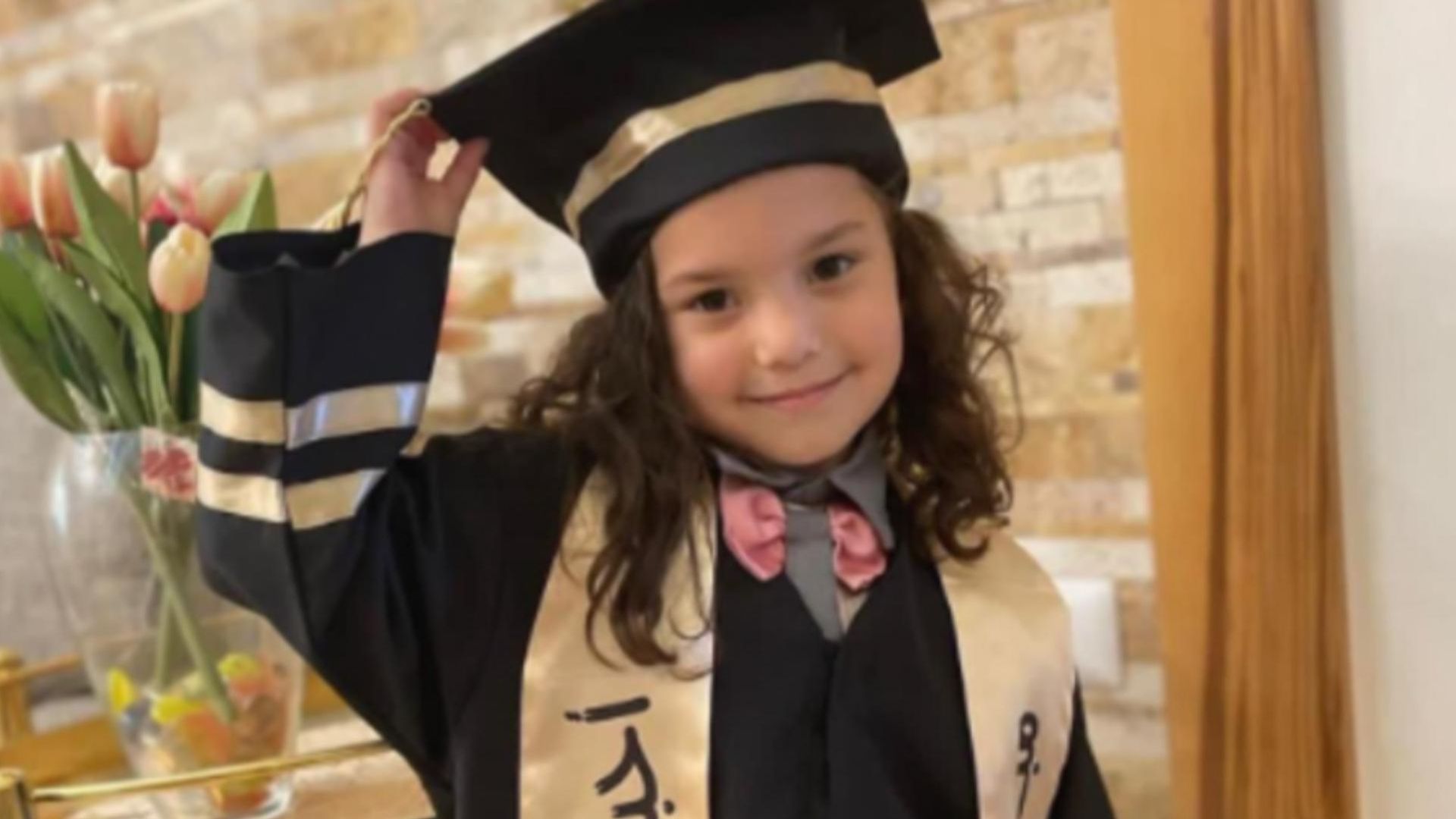
Consider a car. A red Kia, parked awkwardly on the asphalt of a winter afternoon in Gaza, its engine cold, its doors riddled with holes that look like dark, jagged punctuation marks. Inside that car, a six-year-old girl named Hind Rajab sat surrounded by the dead. Her aunt, her uncle, her young cousins—all slumped against the upholstery in grotesque stillness. Outside, the low, mechanical thrum of military hardware dictated the terms of the day.
When the telephone rang in the dispatcher's office miles away, it did not sound like an emergency. It sounded like a lifeline thrown into an abyss.
Rana al-Faqeh, a dispatcher at the Palestine Red Crescent Society, picked up the receiver. On the other end was a voice too small to carry the burden placed upon it. It was Hind, whispering through the static, begging for someone to come. She was terrified. She was hurt. She was entirely alone in a space where safety had ceased to exist.
For hours, Rana stayed on the line. Think about what that requires. You are sitting in a room of fluorescent lights, listening to a child describe the ghosts sitting beside her in the back seat, while outside your own window the world spins on its axis. You tell her stories. You keep her talking. You tell her that rescue is coming, even when you know the ambulances sent to pierce the curfew are sitting ducks in a theater of war.
Then came the sound of gunfire. Sharp. Close. Then, the connection broke.
Weeks later, the bureaucratic machinery of the state grinded forward, yielding a headline that feels less like justice and more like an echo: the Israeli military announced a criminal investigation into the killing.
An investigation.
To the casual observer scanning a news feed, the phrase offers a strange, fleeting comfort. It suggests that wheels are turning. It implies that accountability possesses a pulse, that the system is correcting its own trajectory. But anyone who has watched the slow, agonizing calendar of military inquiries knows the truth of these proceedings. They are often less about uncovering an uncomfortable reality and more about managing the optics of a tragedy. They are designed to absorb the shockwave of public outrage, letting the pressure bleed out slowly until nothing is left but a heavily redacted file collecting dust in a drawer.
How many hours must a child wait in the dark before a system decides her life warrants an inquiry?
The logistics of the tragedy are well-documented, parsed by investigators, human rights organizations, and journalists who combed through satellite imagery and ballistic reports. Two paramedics, Youssef Zeino and Ahmed al-Madhoun, had navigated the labyrinth of ruined streets in an ambulance emblazoned with the red crescent, moving toward the coordinates of the red Kia. They had coordinated their route. They had cleared their movement. Yet, they too were erased. Their ambulance was found charred, its metal warped by fire, sitting just feet away from the family car.
Months passed before the military's internal legal arm decided that an investigation was warranted. Months of silence. Months of grieving families staring at empty doorways, waiting for answers that never arrived.
We live in an era obsessed with documentation. Every atrocity is filmed, compressed into digital packets, uploaded, and streamed across screens held in the palms of millions. We watch destruction in high definition during our morning coffee. We scroll past grief between updates on weather and sports. The sheer volume of suffering threatens to anesthetize us, turning human lives into statistics that blur together into an indistinguishable gray mass.
Yet, every now and then, a single detail punctures the noise. For Hind, it was the telephone. It was the sound of a child's voice asking if they were coming to get her.
That voice does not dissipate because a report is filed or a committee is formed. It lingers in the spaces between words, haunting the institutions that failed to protect her. When accountability is treated as an administrative burden rather than a moral absolute, the wound remains open.
The red Kia is gone now, towed away or swallowed by the debris of a changing landscape. The telephone lines are quiet. But the question posed by that child in the dark remains suspended in the air, waiting for an answer that the machinery of war has yet to provide.