Geopolitics is often a theater of the absurd where the loudest headlines describe the least significant events. The recent buzz surrounding Iran supposedly "allowing" Chinese vessels safe transit through the Strait of Hormuz is a prime example of administrative theater. Mainstream reporting treats this as a tectonic shift in Persian Gulf security. In reality, it is a desperate rebranding of a status quo that Tehran can no longer control.
The consensus view suggests that Iran is flexing its muscles as a regional gatekeeper, granting "boons" to its superpower patron. This narrative is a fantasy. It ignores the brutal physics of global trade and the actual legal mechanics of the United Nations Convention on the Law of the Sea (UNCLOS).
China isn't asking for a hall pass. Iran is simply acknowledging that it cannot afford to trip the bully.
The Transit Passage Trap
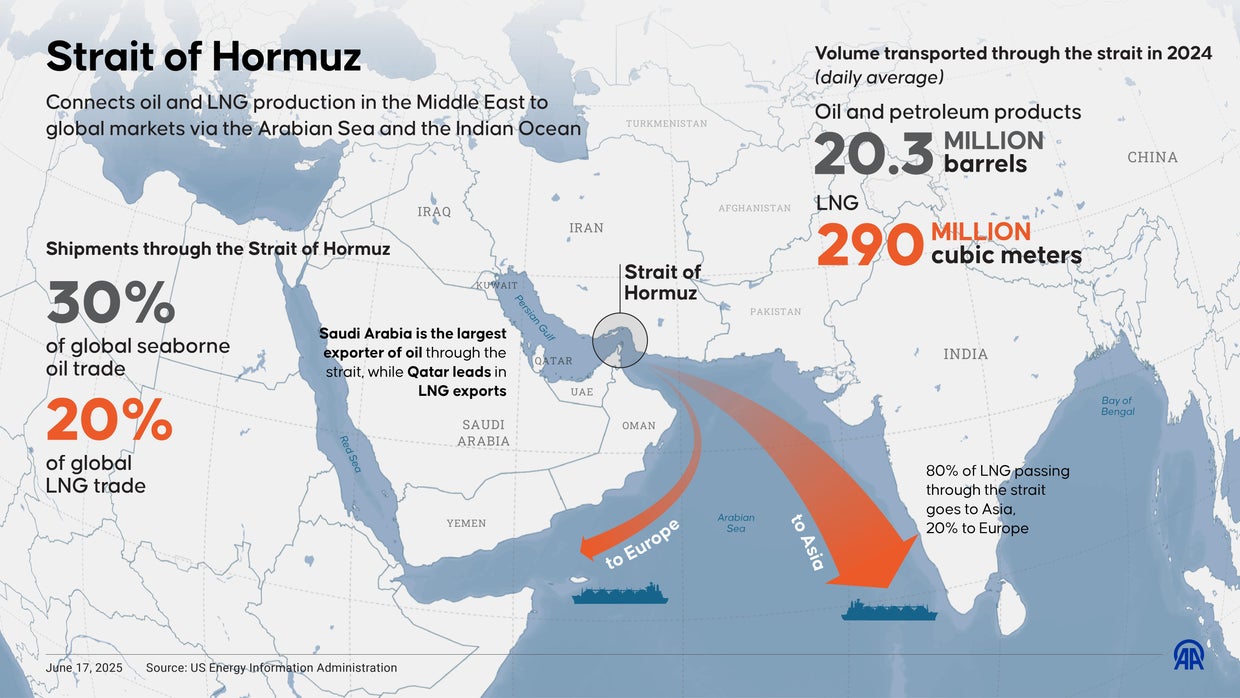
Western analysts love to talk about the "closure" of the Strait of Hormuz as if it’s a kitchen faucet Iran can turn off at will. It isn't. The Strait is governed by the regime of transit passage. Unlike "innocent passage," which allows coastal states to suspend traffic for security reasons, transit passage is non-suspendable.
When Fars News or Reuters reports that Iran is "allowing" transit, they are participating in a linguistic heist. You cannot "allow" something that is already a guaranteed right under international law. By framing this as a concession, Tehran attempts to manufacture leverage where none exists.
If Iran were to actually block Chinese state-owned COSCO vessels, the economic blowback from Beijing would be more devastating than any US-led "maximum pressure" campaign. China is Iran's largest oil buyer. You don’t charge your only customer a toll for walking through the front door of the shop—especially when that customer owns the mortgage on the building.
The Myth of the Strategic Partnership
The 25-year "Strategic Cooperation Agreement" signed between Beijing and Tehran in 2021 is frequently cited as the bedrock of this new maritime understanding. This document is largely a collection of aspirations with no binding enforcement mechanisms.
I have tracked capital flows in the Middle East for over a decade. What the headlines call "investment," the ledgers show as "extractive opportunism." China’s primary interest in the Strait of Hormuz is the predictability of energy costs. Any instability—even instability choreographed by an ally—is anathema to the Chinese Communist Party’s domestic stability goals.
By publicly "granting" safety to Chinese ships, Iran is trying to signal a unified front against Western sanctions. But look closer. China isn't reciprocating with naval escorts or joint patrols that carry any real weight. They are letting Iran take the heat for regional disruption while ensuring their own tankers remain untouched through back-channel pragmatism, not formal permission.
Why the Market is Wrong About Oil Volatility
Whenever a headline mentions Iran and the Strait, the "fear premium" hits the crude oil markets. Speculators bet on a supply shock. This is a losing trade.
The Strait of Hormuz handles roughly 20% of the world’s petroleum liquids. If it were truly blocked, the global economy would stall. But a "selective" blockage—allowing Chinese ships while harassing others—is a logistical nightmare that is nearly impossible to execute without triggering a general kinetic conflict.
- AIS Spoofing: Ships frequently mask their identities or destinations.
- Flag of Convenience: A Chinese-owned vessel might fly the flag of Panama or the Marshall Islands.
- The Insurance Problem: Lloyds of London and other insurers don’t care about "special permissions" from Tehran. If the water is hot, the premiums skyrocket for everyone.
Iran knows this. They are playing a game of asymmetric signaling. They want the West to think they have the power to discriminate between "friend" and "foe" on the high seas. In practice, the Iranian Navy and the IRGC-N lack the sophisticated C4ISR (Command, Control, Communications, Computers, Intelligence, Surveillance, and Reconnaissance) capabilities to micro-manage global shipping traffic without creating a chaotic environment that would inevitably harm Chinese interests.
The Brutal Reality of Iranian Leverage
Let’s be blunt: Iran is a besieged economy. Its currency, the rial, has been in a freefall for years. Its infrastructure is crumbling. Its only real export is the threat of chaos.
When a country in that position says they are "allowing" a superpower to move goods, it’s not a position of strength. It’s a cry for relevance. It’s the equivalent of a squatter saying they’ll allow the landlord to walk through the hallway.
The real story isn't that China has secured a deal. The real story is that China has successfully neutralized Iran's ability to use the Strait as a weapon against the East. Beijing has effectively turned the Strait into a Chinese lake through economic vassalage, leaving the Iranian leadership to spin the loss of sovereignty as a strategic victory.
The Flaw in the "Chokepoint" Narrative
We are taught to view the Strait of Hormuz as a physical chokepoint. It’s more accurate to view it as a financial chokepoint.
The cost of a conflict in the Strait would not be measured in sunken ships, but in the immediate collapse of the global credit market. China, as the world’s largest creditor, has more to lose from a Hormuz shutdown than the United States, which is now a net exporter of energy.
This creates a perverse incentive. The US can actually afford a bit of chaos in the Persian Gulf; it drives up the value of American shale and forces China to spend more on energy. Iran’s "permission" to China is actually a desperate attempt to keep China from siding with the West to stabilize the region. Tehran is terrified that if they become too much of a nuisance, Beijing will greenlight more aggressive international intervention.
Stop Asking if the Strait is Safe
The question isn't whether Iran will let ships through. The question is how much longer the world will pretend that Tehran’s "authority" over international waters is anything more than a polite fiction we all maintain to avoid a war.
Investors and policy analysts who take these Fars News reports at face value are missing the underlying desperation. Iran is losing its grip on its only geopolitical trump card. Every time they have to explicitly state that "certain ships are safe," they admit that the Strait is no longer under their absolute control.
If you want to understand the future of the Persian Gulf, stop looking at Iranian fast boats. Start looking at Chinese port investments in Oman and Pakistan. China is building the bypasses. Iran is just trying to stay relevant while the road moves elsewhere.
The Strait of Hormuz is not a gate guarded by a Persian lion. It is a busy highway where the self-appointed crossing guard is screaming at the trucks to let them know he’s decided not to stop them today.
The trucks aren't even looking at him. They’re looking at the GPS.