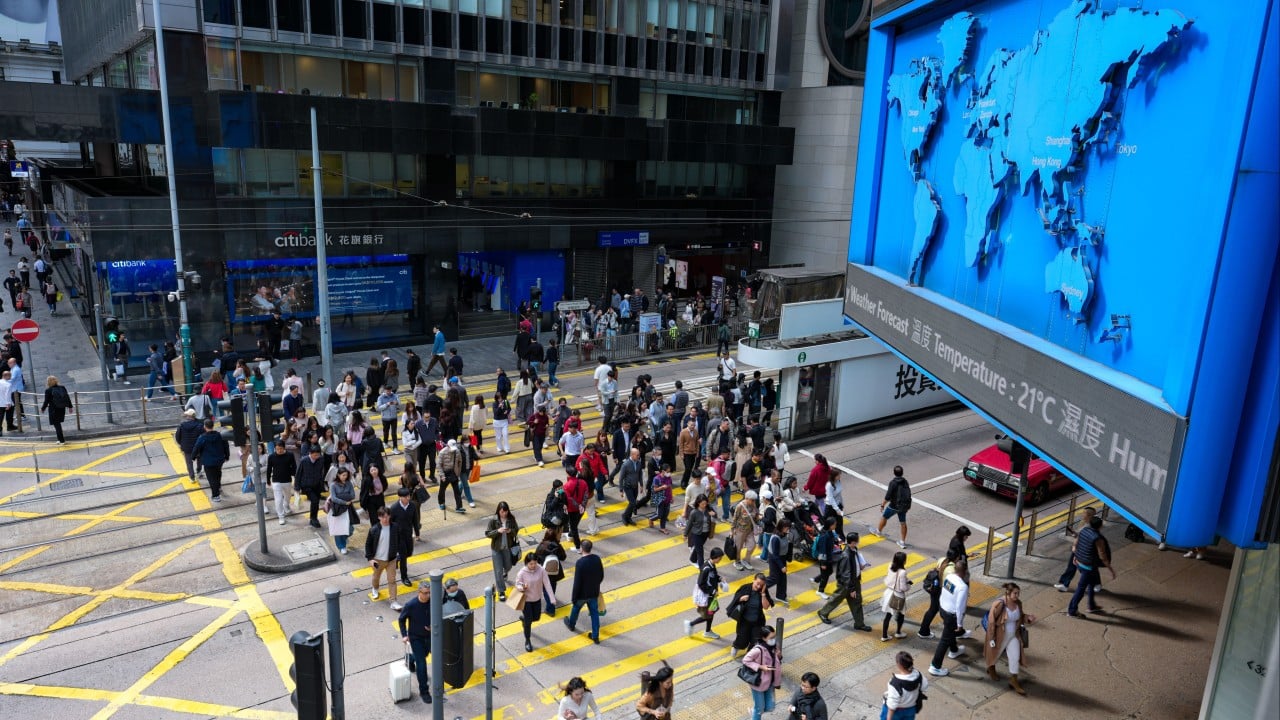
You’ve heard the whispers for years. People say Hong Kong is just another Chinese city now. They argue its days as a diplomatic heavyweight are over. But they’re wrong. In 2026, the city isn't just a bystander in the shouting match between East and West. It’s actually one of the few places left where real, gritty conversations about global policy can happen without the immediate threat of a trade war or a naval standoff.
The world doesn't need more echo chambers. It needs bridges. While the big powers are busy building walls, Hong Kong is busy hosting the table where those powers still have to sit down and talk business. If you think the city has lost its seat at the table, you haven’t been paying attention to the guest list lately.
The Power of the APEC Finance Ministers Meeting
In October 2026, Hong Kong will host the APEC Finance Ministers' Meeting. This isn't just another boring conference with overpriced coffee. It’s a massive moment. For the first time, this specific group is gathering in the Special Administrative Region. Why does this matter? Because while politicians are arguing on social media, the people who actually control the money—the finance ministers from 21 economies—will be in Hong Kong to talk about the real stuff.
They’ll be discussing fiscal policy, digital currencies, and how to keep the global economy from face-planting. By hosting this, Hong Kong isn't just a venue. It’s an active participant in shaping the rules of the game for the entire Asia-Pacific. It’s using its "One Country, Two Systems" framework to be the neutral ground that neither Beijing nor Washington can fully claim, but both desperately need.
Moving Beyond the Super Connector Cliche
Everyone loves the term "super-connector." It sounds nice. It looks good on a PowerPoint slide. But honestly, it’s a bit tired. In 2026, Hong Kong has to be more than a middleman. It’s becoming a "super-value-adder." This means the city doesn't just pass money from Point A to Point B. It provides the legal certainty, the technical expertise, and the regulatory framework that makes those transactions possible in a world that’s increasingly suspicious of everything.
Take the Middle East, for example. The China-Gulf Cooperation Council corridor is exploding. We’re seeing a flood of capital moving between the desert and the Greater Bay Area. Hong Kong is the heart of this. When a Saudi sovereign wealth fund wants to invest in Chinese green tech, they don’t just go to Shanghai. They go through Hong Kong because they trust the common law system and the liquidity. This isn't just finance; it's foreign policy in action. Every deal signed in a Hong Kong skyscraper is a thread that binds these regions together, making conflict more expensive and cooperation more profitable.
Why Technical Diplomacy Wins
Diplomacy isn't always about grand speeches at the UN. Most of the time, it’s about boring things like data standards, tax treaties, and green finance taxonomies. This is where Hong Kong shines. The city is currently leading the charge on RMB internationalization. It handles about 70% of offshore RMB payments.
When Hong Kong sets the standards for how the digital yuan is used or how green bonds are certified, it’s exerting soft power. It’s shaping the "plumbing" of the global financial system. If you control the plumbing, you have a say in how the house is built. This technical diplomacy allows the city to influence global policy debates without needing a military or a seat on the Security Council.
The New Middle Ground for Tech and Climate
In 2026, the biggest foreign policy debates aren't about borders—they're about chips and carbon. Hong Kong is repositioning itself as a hub for these exact issues. Look at the 19th Asian Financial Forum that just wrapped up. Over 4,000 global leaders showed up. They weren't just there for the dim sum. They were there to discuss "Co-Creating New Horizons."
- AI Governance: While the US and EU are rushing to regulate AI into a corner, Hong Kong is looking for a middle path that encourages innovation while maintaining safety.
- Climate Finance: The city is aiming to be the world’s green finance hub. By creating a unified taxonomy for green bonds, it’s helping bridge the gap between Western ESG standards and China’s environmental goals.
These aren't side projects. They are core to how the city shapes its international identity. By being the place where East meets West on tech and climate, Hong Kong ensures it remains indispensable.
Breaking the Media Narrative
Let’s be real. The international media loves a "death of Hong Kong" story. It sells papers. But the reality on the ground is way more complex. Yes, the political environment has changed. Nobody is denying that. But the city’s institutional connectivity is still there.
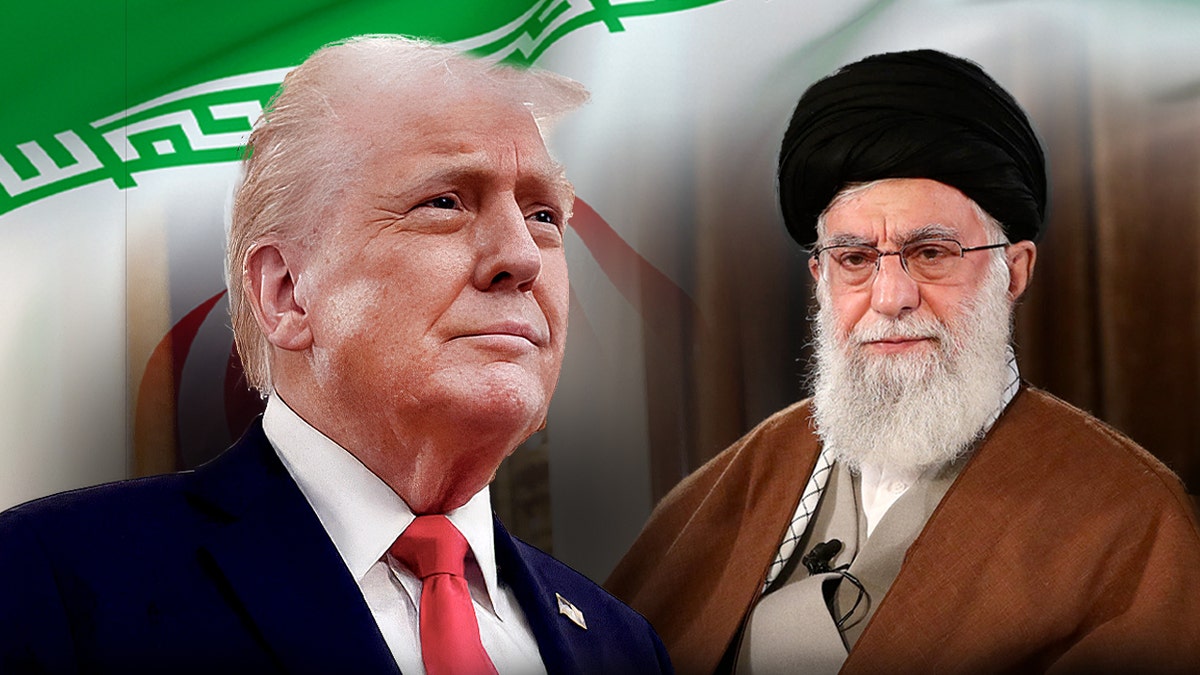
The US State Department still releases its Hong Kong Policy Act reports, and the Commissioner's Office in Hong Kong still fires back. That’s the high-level noise. Underneath that noise, the US remains one of Hong Kong's largest trading partners. American companies still have their regional headquarters here. Why? Because the business of the world still runs through this city.
How to Get Involved in the Debate
If you’re a policy maker, a business leader, or just someone who cares about where the world is headed, you can't afford to ignore Hong Kong. The city is actively looking for "super-collaborators."
- Watch the APEC FMM in October: Pay attention to the agreements that come out of this. They will set the tone for regional trade for the next five years.
- Look at the GBA Integration: The Greater Bay Area isn't just a Chinese domestic project. It’s a massive economic engine that is retooling how supply chains work in Asia.
- Engage with Local Forums: Don’t just read the headlines. Look at what’s being said at the Asian Financial Forum or the various chambers of commerce. That’s where the real policy shaping happens.
Stop thinking of Hong Kong as a relic of the past. Start seeing it as a laboratory for the future. The city is navigating a path that few others have to—balancing the interests of two superpowers while maintaining its own unique edge. It’s messy, it’s complicated, and it’s exactly where the most important foreign policy debates of 2026 are taking place.
If you want to understand where the global economy is going, look at the deals being made in Central, not just the speeches in Geneva. The reality of 2026 is that Hong Kong is still the most efficient, legally sound, and liquid gateway between the world’s two largest economies. That’s not going away anytime soon.