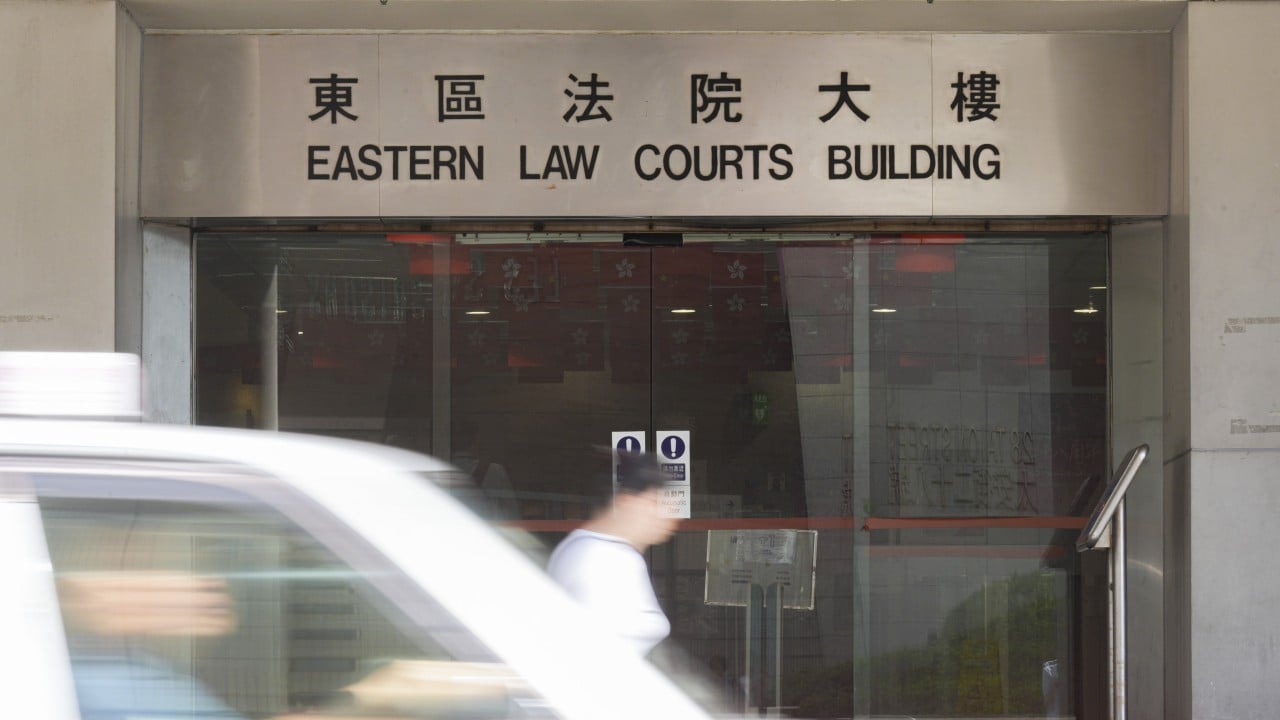
Public spaces in densely packed cities are complicated. When a senior Hong Kong government statistician found himself facing a criminal loitering charge near a girls’ school, the local community took notice. Cases like this shake public trust. They expose the thin line between routine daily movement and criminal suspicion in urban environments.
Charges were dropped, but the anxiety lingered. Why did this happen? How do courts handle ambiguous public behavior? Let's look at the reality behind the headlines.
The Anatomy of a Loitering Charge
Under Hong Kong law, loitering is a criminal offense if a person causes concern for the safety or well-being of someone else. It sounds straightforward. It rarely is. Police officers possess wide discretion. If someone lingers near a sensitive location, like a school, playground, or MTR station, alarm bells ring quickly.
Police arrested the government statistician after reports of suspicious behavior near the institution. Yet, prosecutors later offered no evidence. The court cleared the charge.
Why drop the case? Proof matters. Suspicion does not equal guilt. To secure a conviction, the prosecution must prove intent to cause concern or apprehension. Standing still on a public sidewalk is not a crime. Texting on a phone is not a crime. Waiting for a delayed transit connection is not a crime.
When evidence falls short, the legal system has to step back. But the damage to a person's reputation often happens before the trial even begins.
The Problem With Urban Surveillance and Public Anxiety
Cities rely on cameras, neighborhood watch groups, and hyper-vigilant reporting. Parents protect their children fiercely. That is natural. But hyper-vigilance creates false positives. Innocent people become suspects simply because they occupy space in the wrong place at the wrong time.
Think about your daily commute. Do you stop to check directions on your phone? Do you linger outside a building waiting for a rain shower to pass? In a densely populated metropolis, millions of people cross paths every single hour.
When every stationary person looks like a threat, society turns paranoid.
The statistician's case highlights a systemic flaw. People working high-profile government jobs face intense scrutiny. Public servants live under a microscope. When an arrest happens, media outlets jump. Headlines flash across screens. Months later, an acquittal barely makes a ripple.
Protecting Privacy While Keeping Communities Safe
Balancing community safety with individual freedom is an ongoing struggle. Law enforcement faces a tough job. They must act on citizen complaints. Ignoring a call about a suspicious person near a school is never an option.
Still, investigating officers need solid indicators before slapping handcuffs on someone. Public shaming destroys careers. Even though the court cleared this official, the social penalty remains heavy.
If you find yourself or someone you know questioned by authorities in a public space, remember your rights. Stay calm. Ask why you are being stopped. Do not panic. Clear communication often resolves misunderstandings before they escalate into court battles.
Urban life requires mutual trust. We need safer streets, but we also need cooler heads. Next time you see someone standing alone on a corner, pause before you panic. Context matters.