Hong Kong has always relied on quick pivots. For decades, the city operated on a reactive survival instinct, letting the free market dictate every twist and turn. But times have changed. With the unveiling of the Special Administrative Region's inaugural economic blueprint, the city is officially adopting a structured, long-term strategy.
Critics call it a departure from pure laissez-faire capitalism. Supporters view it as an overdue alignment with national priorities that gives the financial hub a fighting chance in a shifting global economy. Let's look at what this actually means for the city, its businesses, and everyday residents.
Aligning Local Ambitions with National Strategy
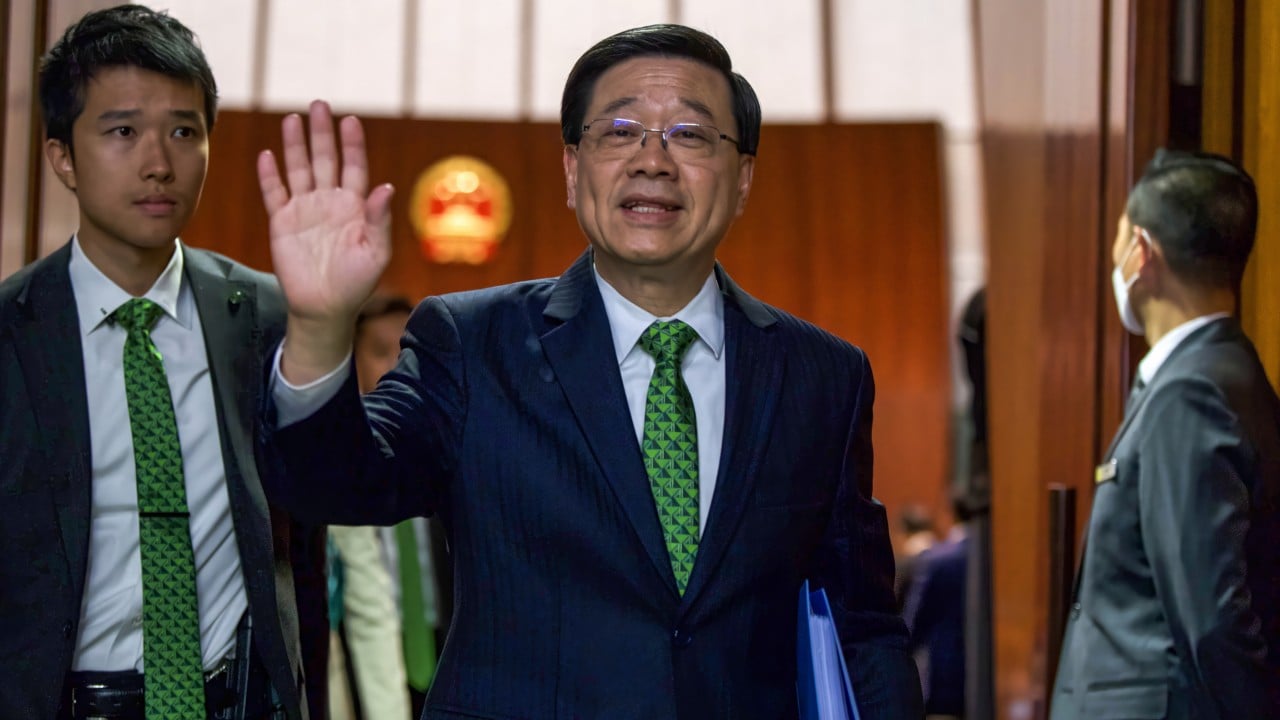
The core objective of the first five-year plan for economic and social development spanning 2026 to 2030 is simple on paper: connect Hong Kong's traditional financial strengths directly to mainland China's broader economic trajectory. Chief Executive John Lee introduced the framework to tackle structural hurdles that short-term policies failed to fix.
For years, Hong Kong watched regional competitors like Shenzhen and Singapore pull ahead in high-tech manufacturing, artificial intelligence, and biotech. The market alone wasn't closing that gap fast enough. By setting hard targets—such as doubling innovation and technology spending to roughly three percent of GDP by 2030—the government is forcing a shift from passive broker to active innovator.
This blueprint isn't just about pleasing Beijing. It's about securing Hong Kong's relevance. When you tie local biotech startups and artificial intelligence research directly into the mainland's supply chains and cross-border data systems, you open up massive capital pools that local firms could never access alone.
The Northern Metropolis as the New Engine
You cannot talk about this strategy without looking at the Northern Metropolis. Past administrations talked about land development for decades while housing lists grew and commercial space stagnated. This blueprint treats the Northern Metropolis as a priority integration zone with the Greater Bay Area.
The plan pushes for streamlined development ordinances and accelerated transport links connecting Shenzhen and Hong Kong. It creates dedicated pockets for cross-border data access, allowing select artificial intelligence and biotech firms to bypass usual friction points.
Real estate and tech clusters will finally share physical space. If the government follows through on expediting these infrastructure projects, it addresses two chronic local pain points simultaneously: sky-high housing costs and a desperate shortage of advanced industrial R&D space.
Balancing Free Markets with State Guidance
Skeptics worry that adopting a mainland-style planning mechanism will erode Hong Kong's distinct economic identity. That concern is valid. Business freedom and the common law system are the pillars that made the city a global financial capital in the first place.
However, the strategy attempts a delicate hybrid model. It preserves the free-market DNA while using government policy to steer capital toward neglected sectors. Financial institutions keep their independence, but they are nudged to fund green finance, digital assets, and deep tech.
Success depends entirely on execution. If red tape slows down the cross-border flow of talent and capital, the plan becomes expensive window dressing. If the government actually streamlines immigration and regulatory hurdles for tech workers, the city gains a serious competitive edge.
Delivering Concrete Results for Residents
Economic blueprints mean nothing if living standards don't improve. The public has every right to be cynical about grand government announcements.
To win over skeptics, the framework includes strict metrics for social well-being, public housing supply, and phasing out substandard subdivided units. It introduces structured pathways for primary healthcare and vocational training. When citizens see shorter wait times for housing and better tech-sector job prospects for young graduates, the abstract concept of national integration turns into tangible daily relief.
The next five years will test whether a historic free-market stronghold can successfully execute a top-down growth strategy without losing its agility. The roadmap is set. Now comes the hard part.