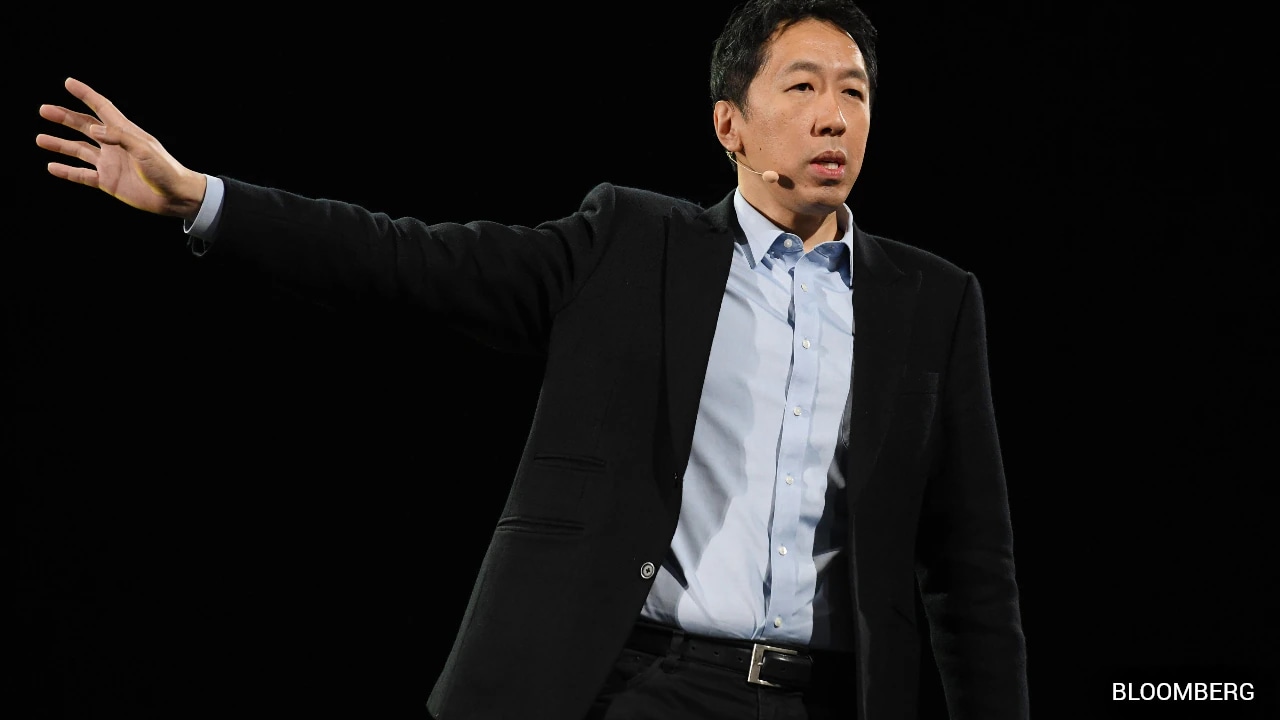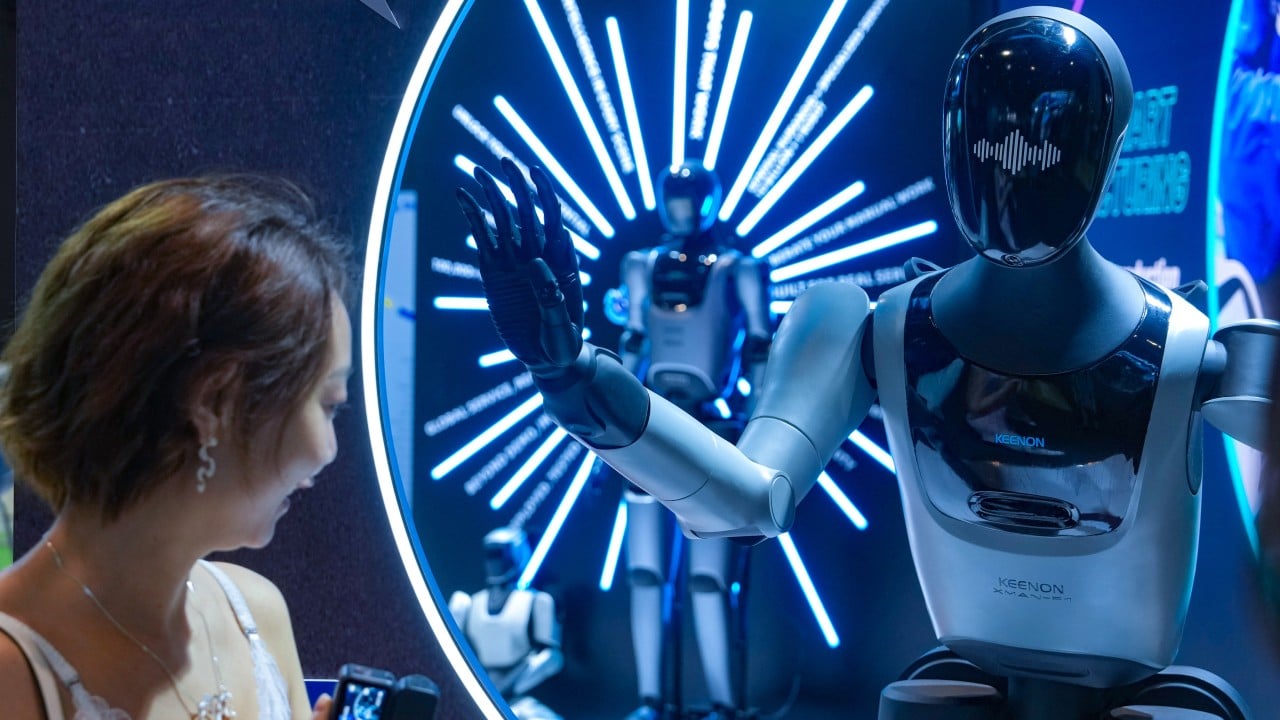
Hong Kong wants to hire a chief artificial intelligence officer by mid-2027. Officials are patting themselves on the back, convinced that appointing a single bureaucrat with a fancy title will somehow reverse a decade of brain drain and turn a financial hub into a deep tech powerhouse.
It is a comforting delusion.
The lazy consensus in government circles states that state-sponsored leadership can manufacture innovation. If you build the office, the talent will stream in. If you draft enough policy papers, the venture capital will follow. I have watched corporations and governments burn billions of dollars on high-profile executive appointments designed to signal progress rather than create it. A government agency appointing a chief executive for algorithms does not solve structural decay. It just adds another layer of red tape to a system that moves at the speed of a parked tram.
Let us dismantle the core premise of the local talent pool narrative. The official line is that Hong Kong possesses an abundant reservoir of homegrown engineers ready to build foundational models. The data says otherwise. When talent reaches world-class proficiency in machine learning architecture, they leave. They go to Singapore, London, or Silicon Valley, where compensation is not tied to civil service pay scales and risk-taking is not viewed as a career-ending hazard.
Fixing this requires an honest look at why Hong Kong's tech sector remains a feeder system rather than a destination.
The Bureaucracy Trap
Bureaucracies love titles because titles are cheap. Handing someone a grand designation creates the illusion of momentum without requiring structural reform. But appointing an artificial intelligence chief within a government framework misses how frontier technology actually scales.
Frontier engineering does not emerge from committee meetings. It comes from chaos, cheap compute, lax regulatory friction, and an appetite for failure. Hong Kong offers none of these. Real innovation requires the freedom to break things, burn cash, and pivot aggressively. When your primary stakeholders are risk-averse regulators and traditional property conglomerates, your software will always look like an enterprise spreadsheet with a prettier wrapper.
Imagine a scenario where the government successfully recruits a global superstar for this 2027 post. What does that person actually control? Can they alter immigration quotas to siphon top-tier researchers away from mainland competitors? Can they force the city's entrenched banking sector to migrate core infrastructure to decentralized models? Can they rewrite university curricula to stop churning out legacy IT administrators and start producing systems architects?
No. They will manage grants, attend conferences, and issue press releases about public-private partnerships. They will become a mascot for stagnation.
The Talent Fallacy
The debate over local versus imported talent is built on a false binary. The issue is not whether Hong Kong has smart people. The issue is that the local ecosystem trains people for institutional compliance rather than technical disruption.
Universities in the city routinely rank high globally for theoretical computer science papers published. But citation counts do not translate into commercial products or production-ready codebases. Academic excellence in a vacuum produces researchers who can write papers about neural networks, not engineers who can deploy resilient, low-latency machine learning pipelines at scale.
If you want to understand why local startups struggle to retain senior talent, look at the opportunity cost. A senior machine learning engineer in Shenzhen or San Francisco commands equity and compensation packages that reflect the extreme leverage of software. In Hong Kong, tech talent is frequently treated as an auxiliary cost center for traditional logistics, real estate, or banking firms. Until software becomes the primary product rather than a support function, no government chief will change the trajectory.
The Real Bottleneck
Compute is oxygen. Without raw processing power, any conversation about leading artificial intelligence development is just expensive cosplay.
Hong Kong faces a severe bottleneck in data center infrastructure and high-density power allocation compared to regional competitors. Building massive training clusters requires immense electrical grid capacity and cooling infrastructure. While neighboring jurisdictions pour resources into hyperscale facilities, Hong Kong remains constrained by high real estate costs and conservative energy policies.
You cannot out-innovate competitors while rationing the fundamental inputs required to train modern models. A chief officer cannot magic kilowatt-hours into existence or bypass zoning laws that treat server farms like standard commercial warehouses.
What Actually Works
If policymakers genuinely wanted to spark a technological renaissance by 2027, they would stop trying to pick winners and start dismantling barriers.
First, slash the administrative overhead for tech visas to zero. Make it frictionless for any engineer from anywhere in the world to land at the airport and start writing code the next day. Singapore understood this years ago. Second, create tax incentives that reward intellectual property generation rather than property speculation. As long as capital flows effortlessly into concrete and steel while software struggles for seed funding, the brightest minds will pack their bags.
Third, privatize the innovation pipeline. Stop funding government-backed incubators that exist primarily to distribute subsidies to well-connected incumbents. Let the market crush weak ideas early.
The 2027 deadline is approaching fast. Every month spent searching for a symbolic figurehead is a month lost to competitors who are already building the future without permission slips.
Stop appointing mascots. Fix the infrastructure, clear the regulatory thicket, and get out of the way.