The Weight of Gold That Doesn't Belong to You
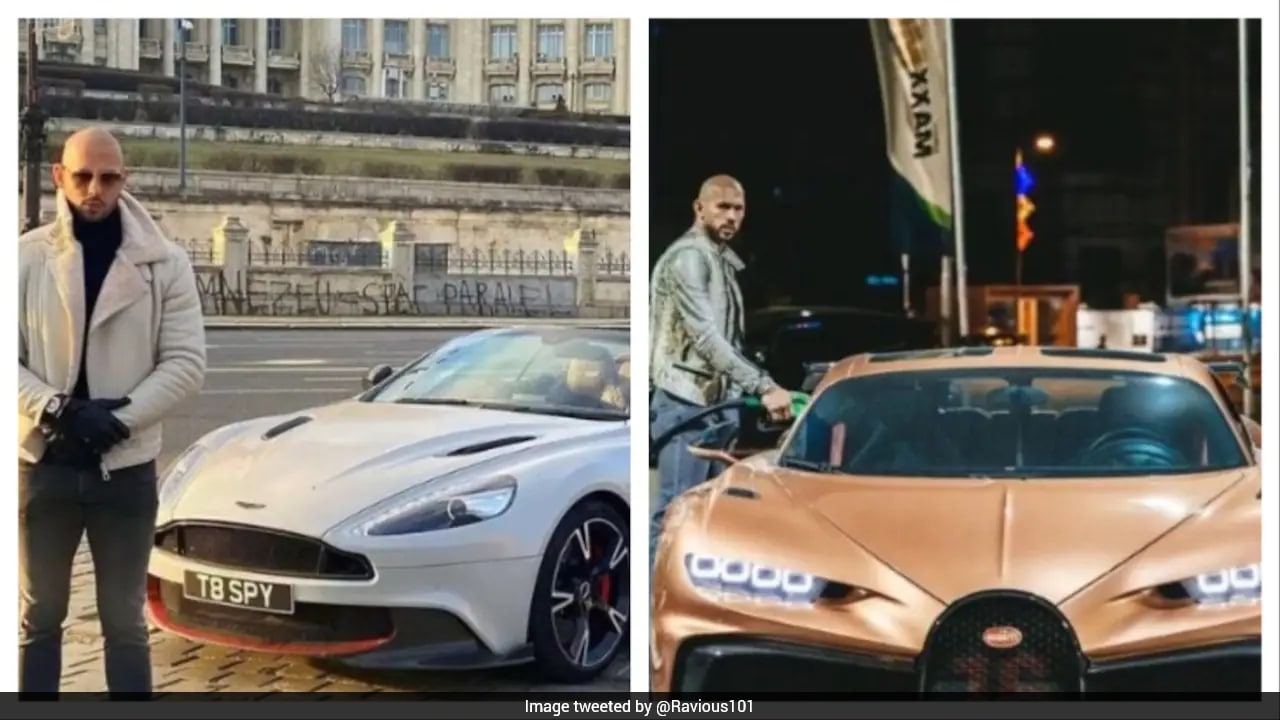
Chrome reflects the Mediterranean sun with a blinding, indifferent glare. A Bugatti Chiron rests at the curb, its engine ticking as the metal cools. It looks like speed frozen in carbon fiber. It looks like absolute dominion over the road.
It also doesn't belong to the man stepping out of the driver's seat.
He adjusts the cuffs of a tailored suit, steps past the velvet ropes of a luxury hotel, and checks his wrist. A Richard Mille watch catches the light, its intricate skeletonized movement ticking off seconds purchased by the hour. To the camera lenses flashing from across the street, he is the picture of unbridled success. He is the master of his universe.
He is, according to the legal documents slowly stacking up in a distant courtroom, performing a play.
We have all stood in front of a mirror and tried on a version of ourselves we wished were true. Maybe it was a borrowed tie for an interview that felt too big. Maybe it was a carefully curated grid of photographs meant to suggest a life of effortless adventure. We stretch the truth because the truth often feels too small, too gray, too stubbornly ordinary to command attention.
When lawyers peel back the curtain on high-profile figures like Andrew and Tristan Tate, the revelations rarely read like financial crimes. They read like desperate theater. Court disclosures and legal arguments reveal a meticulously constructed illusion where supercars, private jets, and iced-out luxury watches are rented, leased, or borrowed. They are props. The goal is simple, ancient, and deeply human: to appear uberwealthy in a world that only stops to look at those who shine.
The Architecture of Illusion
Consider what happens next in the lifecycle of modern attention.
To command an audience online, quiet competence is a liability. A bank account balance hidden behind a modest spreadsheet generates no clicks, no algorithmic love, no digital worship. The attention economy demands spectacle. It demands proof so loud that it drowns out the quiet hum of doubt.
This is where the leasing agency becomes an invisible business partner.
Imagine standing in a sterile warehouse outside London or Dubai, surrounded by million-dollar machines that smell of fresh leather and high-octane fuel. To the rental agent, you are just another client writing a hefty check for a weekend adrenaline spike. To the camera crew you brought along, you are the owner.
Rent a Ferrari for forty-eight hours. Shoot enough content to drip-feed the algorithm for six months. Swap the plates digitally, change the backdrop from a rainy industrial estate to a sun-drenched coastal highway, and suddenly, the illusion is self-sustaining.
Lawyers digging through asset seizures and financial disclosures do not care about the aesthetics of the feed. They care about the ledger. They look for the wire transfers that never arrived, the ownership papers that bear the logo of a commercial fleet company, and the dizzying gap between the persona projected to millions and the liquidity actually resting in the bank.
The contrast is jarring. On one side stands the digital sovereign, commanding a legion of young men searching for a blueprint on how to conquer life. On the other side stands the repossession notice, noting that the status symbols defining that very blueprint are overdue for return.
The Currency of Belief
Why do we fall for it? Why do we desperately want to believe that a twenty-something internet personality cracked the code to infinite wealth?
Because the alternative is terrifying. The alternative is acknowledging that the game is hard, slow, and largely closed to outsiders. We want to believe in magic. We want to believe that someone, somewhere, found a cheat code to bypass the decades of grinding compromise that define ordinary labor.
When the Tate brothers project an empire built on hyper-masculinity and extreme opulence, they are selling a feeling. The supercars and the heavy gold timepieces are not lifestyle choices; they are visual arguments. They whisper to the viewer: If you follow my path, this metal and glass can be yours.
The tragedy, and the quiet irony, is that the very people selling the fantasy are often trapped inside it.
Think about the psychological exhaustion required to maintain that level of deceit. Every public appearance requires a new validation check. Every rented watch must be returned before the insurance policy expires. You cannot rest. If the illusion stops for even a single second, the audience notices, the algorithm adjusts, and the entire fragile kingdom collapses under its own weight.
It is a gilded prison cell where the door is locked from the outside, and the key is held by strangers double-tapping a glass screen.
The Unraveling
Legal proceedings have a way of stripping away poetry and leaving behind arithmetic.
When investigators pore over hard drives, tax filings, and rental agreements, they are looking for the seam where the movie set meets the empty desert. They find that the fleet of supercars belongs to a corporate leasing portfolio designed for music videos and weekend tourists. They find that the watches are insured on short-term floaters rather than sitting in a private vault.
The revelations do not just shock the public; they shatter the spell. Yet, even in the wake of such disclosures, the defense mechanisms of the internet kick in. Believers argue that leasing is just smart business, a savvy way to deploy capital while keeping liquidity free. They bend reality to protect the narrative they have invested their own identities into.
After all, admitting you were fooled by a rented Lamborghini hurts far worse than pretending you didn't notice the ignition key was plastic.
We are left with a strange cultural artifact. We live in an era where the boundary between a life lived and a life performed has vanished entirely. The car is rented. The watch is borrowed. The wealth is a ghost story told in high-definition video.
The engine cuts out. The silence rushes in to fill the empty street. The lights go down on the set, and the actors are left alone in the dark, waiting to see if anyone is still watching when the cameras finally turn off.