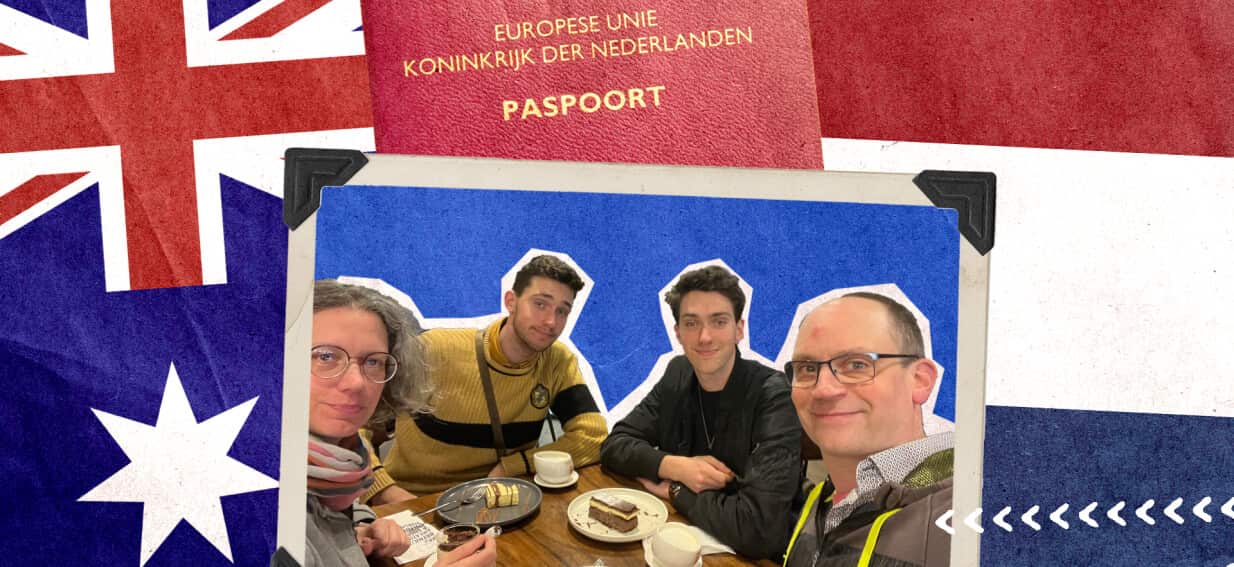
Australia doesn't always make it easy to come home. Most people think a passport is a permanent shield, a right that stays with you forever. That’s a mistake. For a specific group of Australians, particularly those who lived through the era of Section 17 of the Australian Citizenship Act 1948, that shield vanished the moment they took a second passport. Branko is one of those people. He made a choice decades ago to take up foreign citizenship for work and stability, not realizing the door behind him was locking.
Now, he and thousands of others are stuck in a bureaucratic limbo. They want back in. They feel Australian in their bones, but the law sees them as strangers. It’s a messy, emotional, and expensive fight.
Why Section 17 Ruined Everything for Thousands
Before February 4, 2002, Australia had a draconian rule. If you were an adult Australian and you "did any act or thing" to acquire the citizenship of another country, you automatically lost your Australian citizenship. It didn't matter if you didn't want to lose it. It didn't matter if you still had family in Melbourne or Sydney. The loss was "by operation of law."
Basically, the government decided you couldn't be loyal to two flags.
This created a massive diaspora of "lost Australians." Many moved to the United States, the UK, or Europe for careers. They took local citizenship to vote or get better jobs, assuming they were just adding to their identity. Instead, they were subtracting. When the law finally changed in 2002 to allow dual citizenship, it wasn't retroactive for everyone. It didn't magically fix the status of people like Branko who had already been stripped of their rights.
The Reality of Resume of Citizenship Applications
If you lost your citizenship under that old rule, you can apply to get it back. This is called "Resumption of Citizenship." But don't think it’s a simple form you mail in with a check. The Department of Home Affairs is rigorous. You have to prove you’re of "good character"—which means police checks from every country you’ve lived in for a significant time.
You also have to show you have a "genuine intention" to reside in Australia or maintain a close and continuing link to the country. This is where people trip up. If you've lived in London for thirty years and all your kids are there, the Department might look at your application and ask why you suddenly need an Aussie passport.
The burden of proof is on you. You need to show:
- Active bank accounts in Australia.
- Ownership of property or long-term rental agreements.
- Frequent travel back to the country.
- Close family members who are still citizens and residents.
- Evidence that you contribute to Australian society even from abroad.
Branko and the Sacrifice of Identity
Branko’s story isn't unique, but it highlights the coldness of the system. For many migrants who came to Australia after World War II, citizenship was a hard-won prize. When they later moved for work—often back to Europe or North America—they were forced to choose between economic survival and their national identity. Branko chose survival.
He took another citizenship to ensure he could work and provide. He didn't think he was "sacrificing" his Australianness. He thought he was being a pragmatic global citizen. The Australian government disagreed. Now, as these people age, they want the security of their original home. They want the healthcare. They want to be buried where they feel they belong.
The Paperwork Nightmare of Proving You Belong
The administrative hurdle is steep. You need original birth certificates, the very documents that proved you were a citizen in the first place, plus evidence of when and how you acquired your foreign citizenship. If you’ve lost those documents over forty years of moving across continents, you’re in trouble.
Current processing times for resumption of citizenship can stretch for months. In the meantime, you're an alien. You need a visa just to visit your own siblings. If you stay too long, you're in breach of migration law. It’s an absurd reality for people who grew up singing "Advance Australia Fair" in primary school.
What You Need to Do Right Now
If you are one of these "lost Aussies," stop waiting for a change in the law. It’s not coming. The 2002 change was the big win, and the current system for resumption is what we have to work with.
- Gather your timeline. Pinpoint the exact date you took your foreign citizenship. If it was before February 4, 2002, you officially lost your Australian status the moment you pledged allegiance elsewhere.
- Collect the Evidence of Loss. You need the documents from the foreign government showing when you became their citizen.
- Build your "Link" Portfolio. Start documenting every trip back. Keep records of Australian tax returns, property rates, or even memberships in Australian professional bodies.
- Prepare for the Character Test. If you have so much as a significant speeding fine in your current country, disclose it. The Department hates surprises.
- Apply for Form 128. This is the specific application for resumption of Australian citizenship. It’s not free. As of 2024, the fee is several hundred dollars, and it’s non-refundable if you’re rejected.
The system is rigid because citizenship is the highest privilege the state can grant. It shouldn't have been taken away automatically in the first place, but that’s the historical reality. Branko and others like him are fighting against a clock. As the decades pass, the links to Australia naturally weaken, making the "genuine intention" requirement harder to prove. If you want your citizenship back, start the paper trail today. Waiting another year only makes your case weaker in the eyes of a skeptical Department.