Here is a cold truth about mountain climbing. Your gym stamina means absolutely nothing to a lack of oxygen.
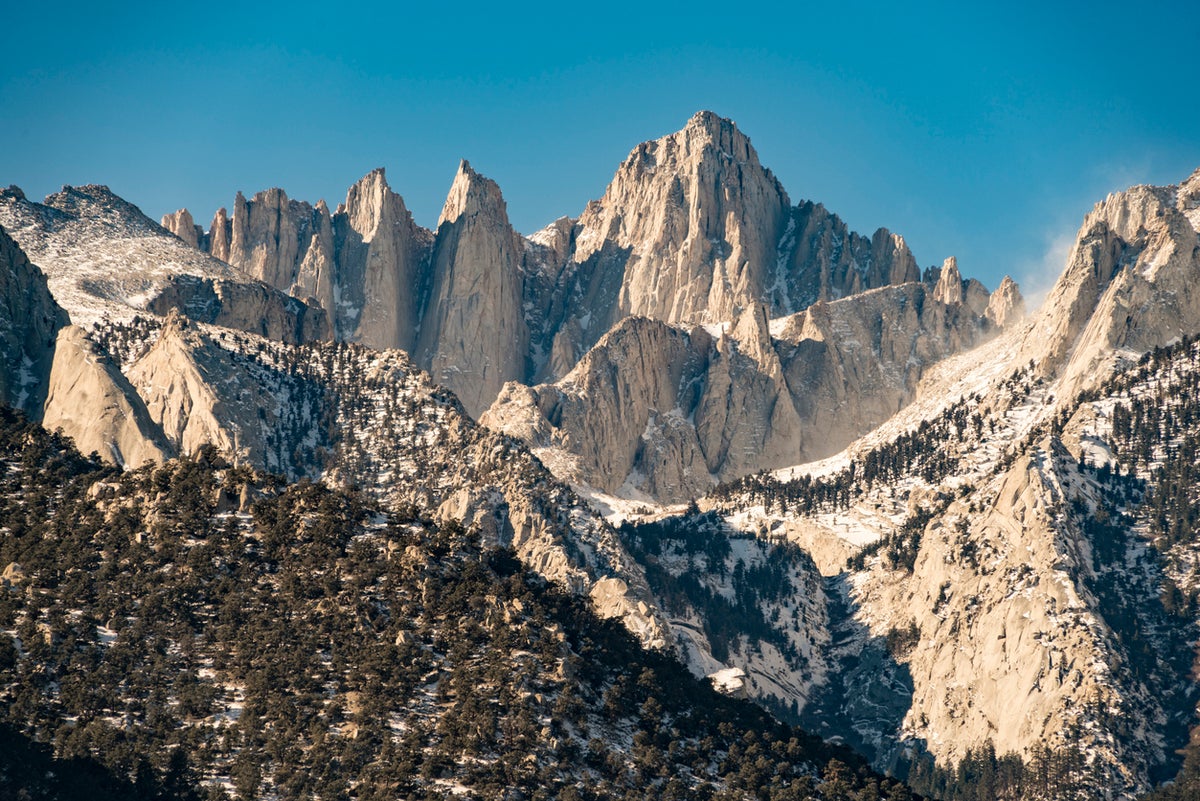
We see this play out every single summer on the slopes of Mount Whitney. It is the tallest peak in the lower 48 states, towering at 14,505 feet. Hikers look at the 22-mile round-trip trail, check their fitness trackers, and assume their marathon training or daily gym sessions will carry them to the summit. Then, the altitude hits.
A high-profile rescue on the mountain recently put this exact scenario back in the headlines. An OnlyFans model trekking to the top of Mount Whitney had to be airlifted off the peak after falling severely ill from acute mountain sickness. Search and rescue teams coordinates had to pull her from high elevation because her body simply stopped cooperating.
This isn't an isolated incident. It happens constantly. The human body does not care about your social media follower count or your body fat percentage when you cross the 12,000-foot mark.
The OnlyFans Model Mountain Rescue Breakdown
The rescue of influencer and model Mikaela Testa from Mount Whitney highlights a massive gap in how people prepare for extreme outdoor challenges. Testa, who built a massive following online, attempted the brutal hike but succumbed to the harsh environmental conditions near the summit.
The Inyo County Sheriff’s Office and local search and rescue teams handled the evacuation. When acute mountain sickness hits at that altitude, your brain and lungs literally starve for oxygen. You lose motor skills. You vomit. Your lungs can fill with fluid. You cannot just "tough it out" or walk it off.
Many people blame the influencer culture for these incidents. They think it's all about getting a photo for the grid. But honestly, the problem is much bigger than that. It is a fundamental misunderstanding of what high altitude does to human biology.
Why Mount Whitney Breaks Elite Athletes
The Mount Whitney trail starts at Whitney Portal, which sits at 8,360 feet. Right there, you are already higher than most people ever go in their daily lives. By the time you reach the summit, the atmospheric pressure drops significantly. You get roughly 40% less oxygen per breath than you do at sea level.
Think about that. Your heart has to pump twice as hard just to move basic oxygen to your muscles and brain.
Elevation Stage      Oxygen Availability (Compared to Sea Level)
Whitney Portal       Approx. 75%
Trail Crest          Approx. 60%
Whitney Summit       Approx. 40% Less Per Breath
Fitness actually misleads people here. Cardiorespiratory fitness allows you to push through pain. On a track, that is a virtue. At 14,000 feet, pushing through the pain of altitude sickness can kill you. It leads directly to High Altitude Pulmonary Edema or Cerebral Edema. Both are fatal if you don't lose elevation immediately.
What Social Media Creators Get Wrong About The Wilderness
The wilderness does not have a VIP section. It does not care about your brand partnerships.
When you see a stunning photo of someone standing on a sunlit peak, you don't see the hours of vomiting that happened beforehand. You don't see the freezing 2:00 AM start time. Social media sanitizes the outdoors, making extreme mountaineering look like a casual weekend stroll.
This creates a dangerous illusion of accessibility. People pack light, skip the heavy layers, ignore the proper acclimatization schedules, and head up the switchbacks. They treat a serious alpine expedition like a walk through a city park.
How To Actually Survive A High Altitude Trek
If you want to climb Mount Whitney without needing a helicopter ride courtesy of local taxpayers, you have to respect the biology of elevation.
First, sleep high the night before. Do not drive up from sea level in Los Angeles, park at the trailhead, and start walking. Spend at least two nights at an elevation above 8,000 feet before you even touch the trail. This triggers your body to start producing more red blood cells.
Second, monitor your symptoms with brutal honesty. If you get a throbbing headache, feel nauseous, or start staggering like you've had four beers, your hike is over. Turn around immediately. Descending even 1,000 feet can save your life.
Pack the ten essentials. That means carrying a headlamp, extra warm layers, a water filter, and an emergency shelter. The weather on Whitney changes in minutes. A sunny afternoon turns into a freezing hail storm before you can find your jacket.
Ditch the ego. The mountain will always be there, but you won't be if you make a stupid mistake above the clouds.