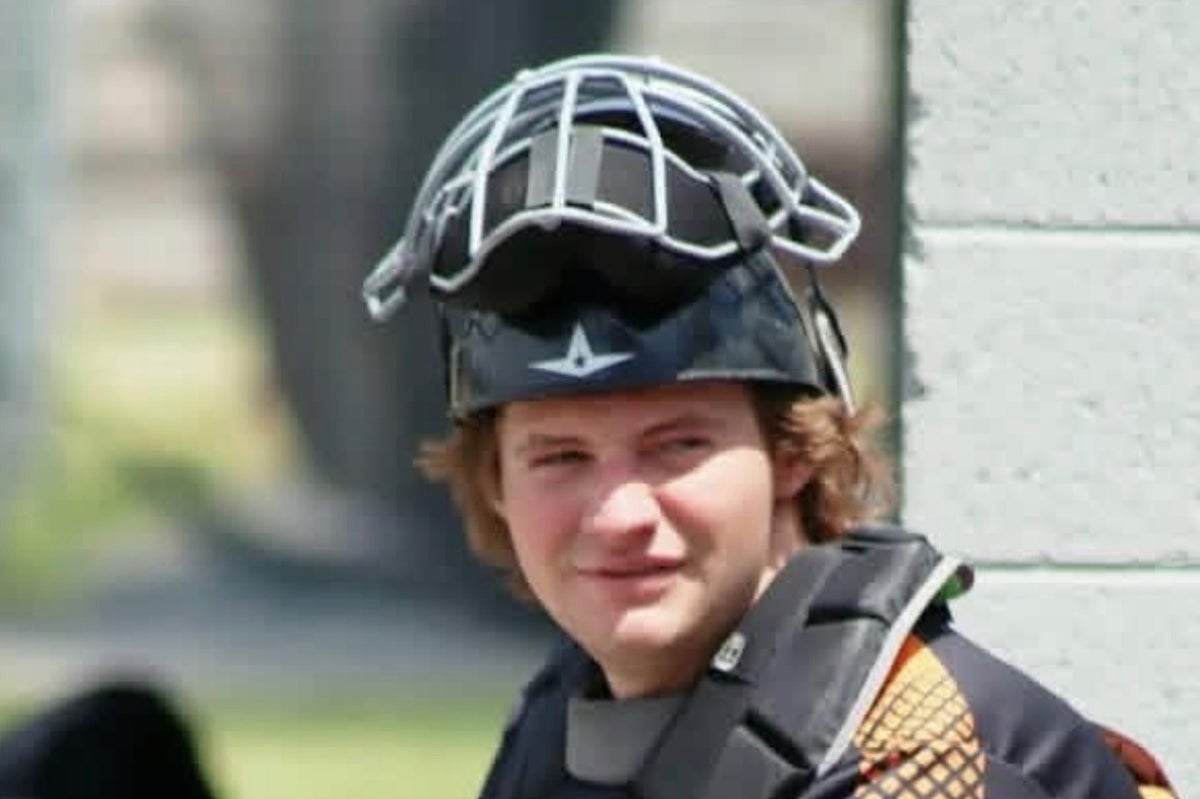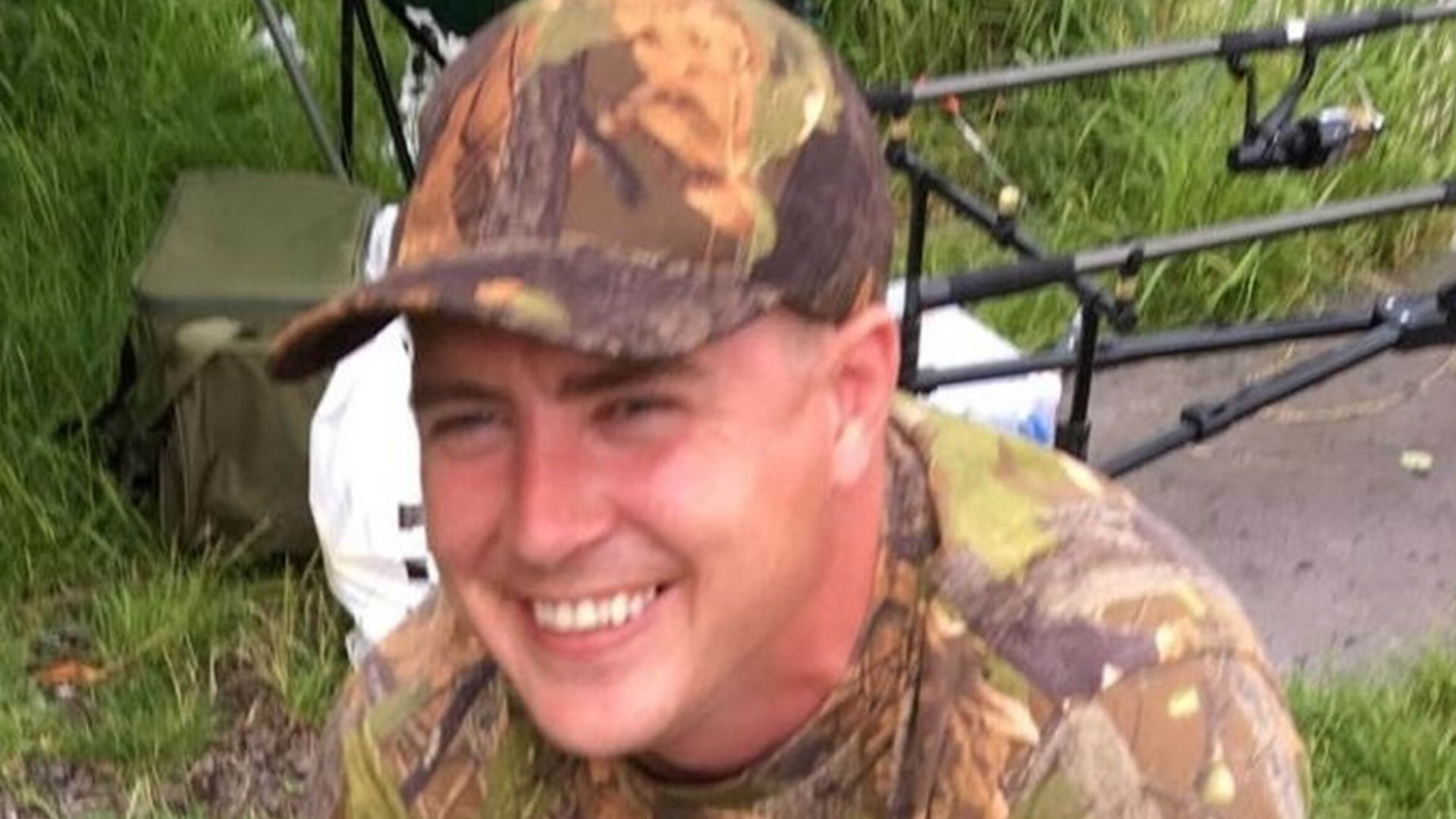
Panicked decisions rarely work out well. When a man in the UK decided to stuff the body of a suspected arsonist inside a residential wheelie bin rather than calling emergency services, he likely thought he could buy himself some time. He was wrong. Law enforcement officers, forensic investigators, and local courts don't miss details like that.
Cases involving bizarre cover-ups usually point to a fundamental misunderstanding of modern criminal investigations. People watch too many fictional dramas on television and believe they can outsmart police departments. The reality is much harsher. When you tamper with a death scene, obstruct justice, or hide human remains, the legal system treats your actions with absolute severity.
This specific incident involving the disposal of an arson suspect's body inside a domestic waste container highlights a grim reality. Criminal acts compound quickly. One bad choice leads to another, transforming a difficult situation into a lengthy prison sentence.
The Anatomy of a Cover-Up Gone Wrong
Let's talk about what happens when panic takes over. Human psychology under extreme stress often triggers fight, flight, or freeze responses. Sometimes, it triggers a catastrophic attempt to make evidence disappear.
Hiding a body in a wheelie bin feels amateurish because it is. Modern forensic science relies on trace evidence, CCTV networks, mobile phone tracking, and vehicle automatic number plate recognition systems. You cannot simply make a body vanish by wheeling it out to the curb.
When emergency services respond to unusual callouts, neighborhood digital doorbells and municipal street cameras capture everything. Forensic teams recover DNA and fingerprints from the most unexpected surfaces.
- CCTV footage tracks movements down to the exact second.
- Forensic specialists extract trace DNA even after surfaces are cleaned.
- Cell tower pings map out timelines with terrifying accuracy.
Thinking you can outsmart digital footprints is a losing game. The moment someone chooses concealment over transparency, they cross a legal line that separates accidental involvement from active criminality.
Obstruction of Justice Carries Heavy Penalties
Many people do not realize that covering up a crime often carries consequences just as severe as the primary offense. You might not have landed the initial blow or started the fire, but interfering with the aftermath makes you a primary target for prosecutors.
Courts take a dim view of defendants who show a blatant disregard for the dignity of the deceased and the integrity of a police investigation. Disposing of human remains in domestic waste containers shows a shocking lack of empathy and common sense.
Judges hand down custodial sentences not just to punish, but to deter others from engaging in such reckless behavior. When you look at sentencing guidelines for perverting the course of justice, the numbers speak for themselves. Years behind bars await anyone who thinks a trash can provides a safe hiding spot.
Why Panic Triggers Bad Decisions
Stress makes fools of us all. When a crisis hits, your brain's prefrontal cortex shuts down. Emotional reactions take over.
If you find yourself connected to a tragedy, the only viable path involves immediate cooperation with authorities. Every minute spent trying to hide evidence digs a deeper grave for your own freedom. Investigators spot nervous behavior instantly. Police officers undergo rigorous training to read micro-expressions, erratic timelines, and defensive body language.
Trying to construct a false narrative falls apart under basic questioning.
What We Can Learn From High-Profile Cover-Ups
Real life is not a scripted crime thriller. Real investigations are methodical, relentless, and backed by technology that makes hiding a body virtually impossible.
The individual who chose a wheelie bin as a makeshift morgue learned this lesson the hard way behind prison walls. Justice moves deliberately, but it arrives with full force.
Keep your head clear if things go wrong. Never tamper with a scene. Never try to move evidence. Call the professionals immediately, because trying to fix a disaster by yourself only guarantees you will share the blame.