He woke up at 0400, but the fog in his mind had already beaten him to the floor.
Let us call him Sergeant Miller. He is thirty-two, a veteran of two deployments, and a man who once carried eighty pounds of gear up the jagged ridges of the Hindu Kush without breaking his stride. Today, his mission is simple: a routine patrol, a standard physical training test, a quiet afternoon desk shift. Yet, as his boots hit the cold linoleum, a heavy, invisible weight pins him down. It is not a physical injury. His joints are intact. His heart, technically, is fine.
But he is exhausted. He is irritable. The sharp, decisive edge that made him a leader of men feels blunt, rusted over by a creeping, inexplicable apathy.
For years, men like Miller have blamed these quiet declines on the grinding gears of military life. Lack of sleep. High-stress deployments. The inevitable friction of aging. But behind the closed doors of military medicine, a different culprit has been hiding in plain sight, flowing silently through the veins of the nation's defenders.
The Chemical Blueprint of Combat
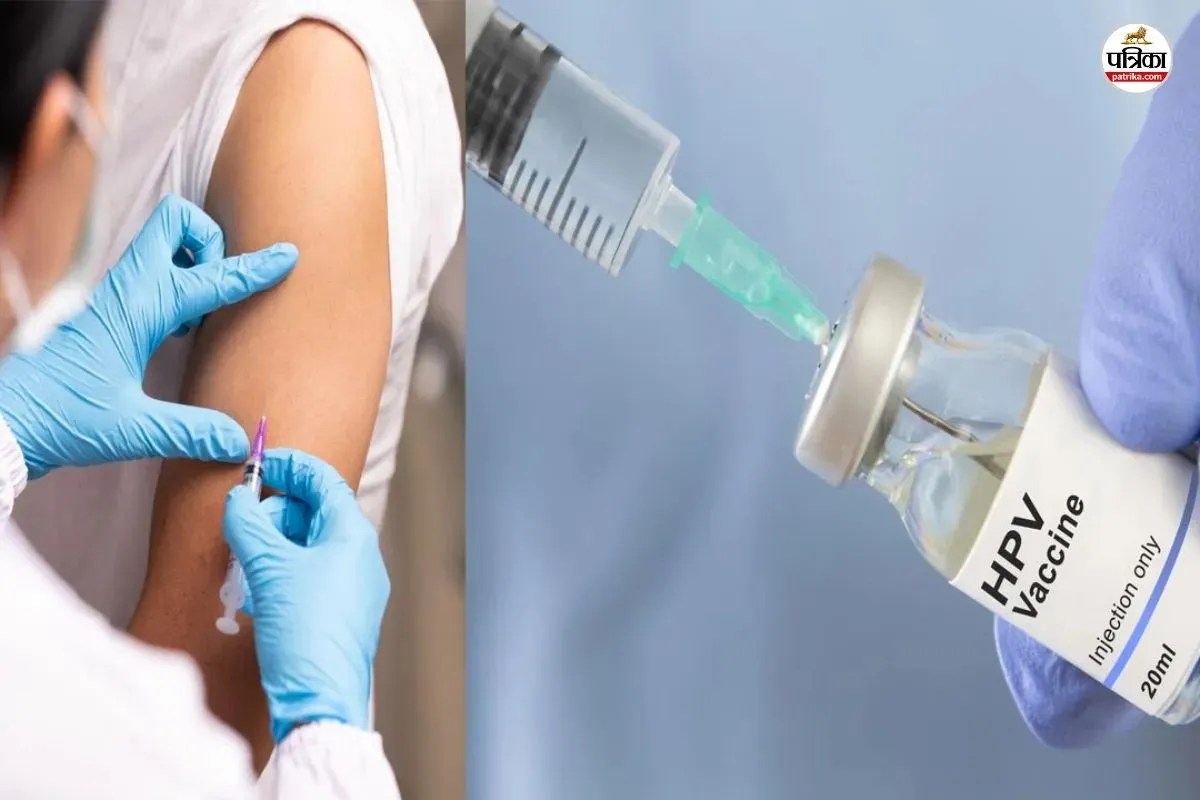
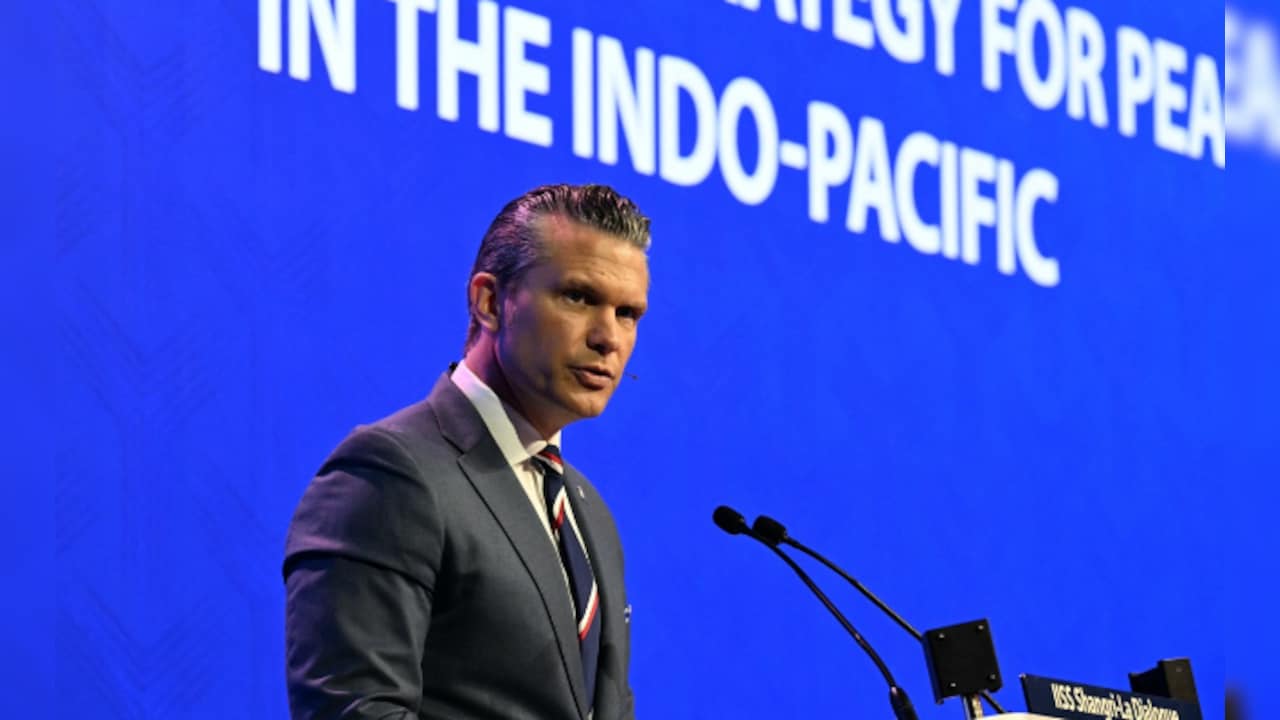
On July 15, 2026, Defense Secretary Pete Hegseth stepped in front of a camera to address this invisible exhaustion. He announced a sweeping, mandatory policy: the Department of Defense will begin testing all service members aged thirty and older for testosterone deficiency as part of their annual periodic health assessment. Service members under thirty will have the option to opt in.
If the tests reveal a deficiency, the military will offer voluntary testosterone replacement therapy (TRT).
To some, the initiative sounds like science fiction—or an aggressive attempt to engineer the ultimate soldier. To others, it is a long-overdue reckoning with the biological toll of modern warfare.
To understand why the Pentagon is suddenly obsessed with a single hormone, you have to look at what military life does to the human endocrine system. Imagine your body is a high-performance engine. Testosterone is not just the fuel for muscle growth; it is the oil that keeps the psychological gears running smoothly. It regulates focus, mood, bone density, and spatial awareness.
But the engine of a soldier is constantly run at redline.
Military training and active service are designed to push human limits. However, chronic sleep deprivation, heavy physical exertion, and the relentless, low-grade terror of a combat zone act as a chemical siphon. At the 2025 Food and Drug Administration panel on hormone therapy, Army Major Theodore Crisostomo-Wynne, a urologist at Madigan Army Center, noted that the high operational tempo and intense stress of military life can acutely and permanently suppress testosterone levels.
The body, when forced into a prolonged state of survival, deprioritizes long-term health and reproduction. It shuts down the factory.
From the Back Alley to the Command Post
For years, the military's relationship with testosterone was defined by suspicion.
In 2022, a Navy SEAL recruit died during the notoriously brutal "Hell Week". A subsequent investigation revealed performance-enhancing substances, including testosterone, in his possession. It exposed a quiet, desperate culture within elite special operations units. Desperate to keep up with the crushing physical demands, some operators turned to the black market, buying unregulated hormones from underground clinics to keep their bodies from breaking down.
By late 2023, the Navy had initiated random testing for hormonal substances to crack down on the illicit use of performance enhancers.
Now, the Pentagon is shifting its stance. By bringing hormone screening into the daylight of routine medical care, the military hopes to transition the conversation from illicit enhancement to legitimate medical optimization.
But this transition is far from simple.
The medical community itself is deeply divided on how to handle the decline of testosterone. The hormone fluctuates wildly throughout the day, peaking in the early morning and dropping after a meal. Capturing an accurate reading requires precise fasting and morning blood draws—a logistical headache for a military operating across multiple time zones and erratic training schedules.
Furthermore, the threshold for what constitutes "low" testosterone is highly debated. The American Urological Association notes that prevalence estimates for testosterone deficiency range anywhere from 2% to 50% depending on the study and the criteria used.
Estimated Prevalence of Low Testosterone (Ages 30-79 with Symptoms)
┌────────────────────────────────────────────────────────┐
│  ████░░░░░░░░░░░░░░░░░░░░░░░░░░░░░░░░░░░░░░░░░░░░  5.6% │
└────────────────────────────────────────────────────────┘
Source: 2007 Study cited by FDA / Marty Makary (2025)
For a civilian, a slight dip in testosterone might mean a bit more fatigue on the weekend. For a soldier in a high-stakes environment, it could mean the split-second delay in cognitive processing that decides whether a platoon makes it back to base.
The Culture War in the Clinic
The announcement has already ignited a firestorm of debate, far beyond the confines of military hospitals.
Some critics view the program as a politically motivated nod to cultural anxieties surrounding masculinity, noting that other administration figures, such as Health Secretary Robert F. Kennedy Jr., have publicly advocated for broader access to testosterone therapy.
On Capitol Hill, the pushback was immediate and sharp. Democratic lawmakers pointed out what they viewed as a glaring double standard. Senator Tammy Duckworth and Representative Chrissy Houlahan, both military veterans, questioned why the Pentagon was willing to sponsor hormone replacement therapy for male service members while simultaneously supporting bans on gender-affirming hormone therapy for transgender troops.
Duckworth suggested that if the military is truly committed to optimizing the biological health of its force, it should expand comprehensive hormone testing to cover female service members as well, particularly given the high rates of infertility faced by military women.
The debate highlights a deeper, unresolved question: Where does healthcare end, and biological engineering begin?
The Reality on the Ground
Away from the political noise and the academic debates, the reality remains deeply human.
Consider Miller again. Under the new policy, his upcoming physical will include a simple blood draw. If his numbers are low, he will be faced with a choice. He can accept the therapy, hoping it restores the energy, the focus, and the strength that time and stress have slowly stolen from him. Or he can decline, wary of the long-term dependency of hormone replacement.
The Pentagon's gamble is that by treating the biological foundation of its soldiers, it can build a more resilient force. It is an acknowledgment that the weapons we build are only as strong as the flesh and blood operating them.
Whether this policy leads to a healthier, more capable military or opens a Pandora's box of medicalization remains to be seen. But for the men and women standing on the cold linoleum at 0400, looking at a day that feels too heavy to carry, the test represents something simple: the possibility of feeling like themselves again.