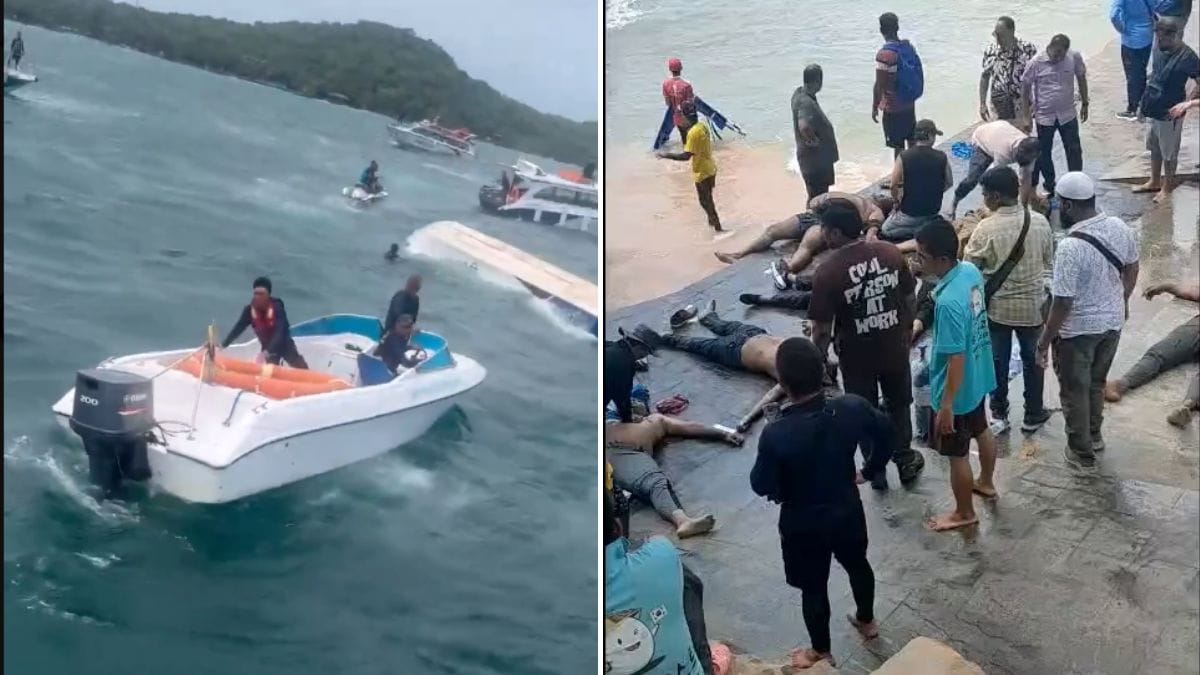
A tragic maritime accident involving a capsized speedboat in Vietnam has once again put a harsh spotlight on the glaring vulnerabilities of regional tourist transit. When vessels carrying eager vacationers flip in ostensibly calm waters, the immediate public reaction shifts toward freak weather or sudden pilot error. The systemic truth is far more calculated, rooted in economic desperation, regulatory voids, and an aggressive push to maximize tourist throughput without the accompanying infrastructure.
For years, coastal hotspots across Southeast Asia have experienced an unprecedented influx of international travelers, particularly from surging markets like India. Local operators rushed to meet the demand. They bought high-capacity fiberglass speedboats, cranked up daily schedules, and cut corners on maintenance to keep margins high. The results are predictable, tragic, and entirely preventable.
The Illusion of Coastal Transit Safety
Step onto any beach pier in a major regional tourist hub and the scene is identical. Dozens of twin-engine speedboats bob in the surf while operators herd travelers aboard with frantic efficiency. To the untrained eye, it looks like a well-oiled machine.
To anyone tracking maritime logistics, it is a numbers game played with human lives.
The physics of a standard commercial speedboat are unforgiving. These vessels rely on a shallow-V hull designed to skim the surface of the water at high speeds. When properly weighted and operated within strict passenger limits, they are highly stable. The moment an operator crams an extra five or six passengers on board to maximize the payout of a single run, the center of gravity shifts dangerously upward.
A sudden swell, a sharp turn to avoid a patch of reef, or even a synchronized movement of passengers sliding to one side to take a photograph can instantly compromise the vessel's equilibrium. Once the hull catches an edge under these overloaded conditions, hydrodynamic forces take over. The boat capsizes in seconds. Passengers trapped under a canopy or tangled in loose gear have almost no window for escape.
The Supply Chain of Unregulated Excursions
Behind every localized maritime disaster sits a fragmented supply chain of micro-operators, independent booking agents, and digital aggregation platforms. This network shrugs off accountability the moment an accident occurs.
Independent day-trip operators rarely manage their own client acquisition. Instead, they rely on a web of street-side kiosks and unregulated digital travel agencies that sell vouchers on a volume commission basis. The platform taking the credit card payment thousands of miles away assumes zero operational liability. The street vendor who sold the ticket disappears into the crowd. The captain at the helm is often a poorly paid contractor bearing the brunt of the entire operational risk.
This fragmentation creates a race to the bottom for pricing. When a day trip to an offshore island costs less than a casual dinner, safety budget is the first item eliminated.
- Routine hull inspections are delayed or skipped entirely to avoid taking the boat out of rotation during peak season.
- Life jackets are treated as compliance props rather than survival gear, often rotted from UV exposure or stowed in inaccessible lockers under the seats.
- Outboard engines run for thousands of hours past their recommended overhaul dates, increasing the risk of sudden mechanical failure in heavy surf where steering control is vital.
The Myth of Local Enforcement
National tourism ministries frequently broadcast sweeping crackdowns and new safety manifestos following high-profile fatalities. These proclamations rarely survive the journey to the actual docks.
Local maritime police forces are chronically underfunded, understaffed, and susceptible to the economic realities of small coastal communities. In many instances, the official responsible for checking vessel manifests and safety gear is a neighbor, relative, or associate of the boat owners. Expecting rigorous, adversarial enforcement in these tight-knit economic ecosystems is naive.
Furthermore, maritime registries in developing tourism markets often lack standardized classification societies. A boat built in a backyard workshop using unrated resins and inadequate internal framing can easily secure a commercial operating license through bureaucratic loopholes. These vessels lack the structural bulkheads required to prevent rapid flooding if the hull cracks. They are accidents waiting for a sufficiently large wave.
The Geopolitical Pressure of the Tourism Boom
The demographic makeup of these accidents is shifting rapidly. While European and North American backpackers once dominated the budget excursion market, the current driving force is the massive rise of the middle class across South Asia, particularly India.
Governments throughout Southeast Asia have responded by easing visa restrictions and courting budget airlines to establish direct routes to secondary coastal cities. The sheer volume of arrivals has outpaced the physical capacity of the destinations. Piers built for small fishing skiffs now handle thousands of speedboats a day.
This hyper-growth creates a dangerous operational environment. Captains are forced to operate in crowded waterways with minimal traffic management, increasing the probability of collisions. The pressure to complete three round trips a day instead of two means navigating in deteriorating afternoon weather conditions that should keep any prudent mariner safely tied to the dock.
Reforming the Waves
Fixing a broken maritime safety culture requires moving past the cycle of public grief and temporary crackdowns. The current framework of relying on local operators to self-regulate under the loose supervision of regional authorities has failed repeatedly.
Change must be driven by international pressure and economic incentives. Insurance syndicates hold the most effective leverage. If global underwriters refuse to insure tour operators who cannot demonstrate adherence to strict international maritime safety standards, the uncertified vessels will be grounded by default.
Independent audits of hull integrity, mandatory GPS tracking to monitor vessel speeds and overloading in real-time, and the implementation of automated passenger manifest systems at every pier are the bare minimum requirements to stabilize the industry. Until these protocols become standard practice rather than optional luxuries, stepping onto a coastal speedboat will remain a high-stakes gamble.