The plane touches down on a tarmac thousands of miles away from everything they have ever known, and the first thing that hits them is the heavy, unfamiliar air.
Imagine a man who has spent his entire adult life in America. Let us call him David, a placeholder for a reality that is playing out in secret government ledgers. David has built a life, perhaps raised children, and maybe even made mistakes that he already paid for with time behind bars. But when his sentence ended, his real punishment began. He was not sent back to his childhood home. Instead, he was bundled onto a charter flight and dropped into a small, landlocked monarchy in southern Africa—a place he could not have pointed to on a map a week ago.
This week, eleven more people walked down those aircraft steps into Eswatini. They are the latest human cargo in a sweeping, cash-infused geopolitical experiment.
The mechanism behind this is a multi-million-dollar bilateral agreement between Washington and the government of Eswatini. It is designed to solve a specific bureaucratic headache for the United States: what do you do with migrants you want to deport when their home countries flatly refuse to take them back? The answer, it turns out, is to find a third country willing to host them for a price. In this case, a $5.1 million deal has turned a nation bordering South Africa into a holding pen for the displaced.
The official statements from the Eswatini government arrive with the usual polished edges. Spokespeople issue assurances that the fundamental rights of these third-country nationals will be respected and protected under international law. They call it a temporary stay. They frame it as a humanitarian effort.
But the local reality tells a starkly different story.
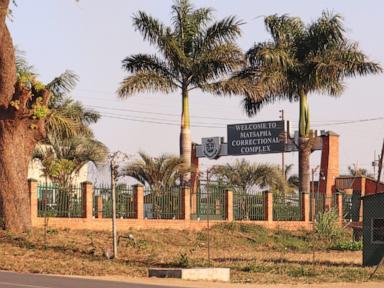
When the flight doors open, the deportees are not taken to a transit lounge or a processing center. They are transported straight to Matsapha Maximum Security Prison. Human rights lawyers on the ground confirm that these individuals are being held behind high walls and barbed wire, despite having already served whatever legal sentences they faced in America. They are imprisoned not for a new crime, but because their existence has become legally inconvenient to two global powers.
The legal architecture supporting this arrangement is fragile. Local civic groups have already taken the matter to court, challenging the sheer legality of locking up foreign citizens without charge. Activists call the program human trafficking disguised as diplomacy. The sheer absurdity of the system is highlighted by the few who have managed to leave. One Jamaican national was flown to Eswatini last year at an estimated cost of over $181,000, only to be flown 7,000 miles back to Jamaica weeks later on another series of taxpayer-funded flights.
It is a dizzying shell game where human beings are treated like surplus inventory, shuffled across continents to balance a political ledger.
Consider the psychological toll of this geographic displacement. It is one thing to be sent back to a homeland you left behind; it is an entirely different trauma to be cast out into a country where you do not speak the language, understand the culture, or possess a single familiar connection. You are trapped in an absolute monarchy, locked in a maximum-security facility, waiting for a repatriation process that can take up to a year—if it happens at all.
International observers warn that this practice risks becoming a blueprint. When wealthy nations can simply buy their way out of complex immigration dilemmas by exporting human beings to developing nations, the very concept of international accountability begins to fracture.
The planes will continue to land. The money will continue to change hands. And inside the walls of Matsapha, eleven more people are learning what it means to be erased from the world they knew, waiting in the quiet dark for a future that belongs to someone else's policy initiative.