The sound of hooves on asphalt is supposed to evoke a bygone century. For decades, the horse-drawn carriages of Central Park have been marketed as the ultimate New York romance, a 72-dollar ticket to a slower, sweeter time. But if you strip away the velvet seats and the polished brass, you find an anachronism struggling to survive in a metropolis that moved on a long time ago.
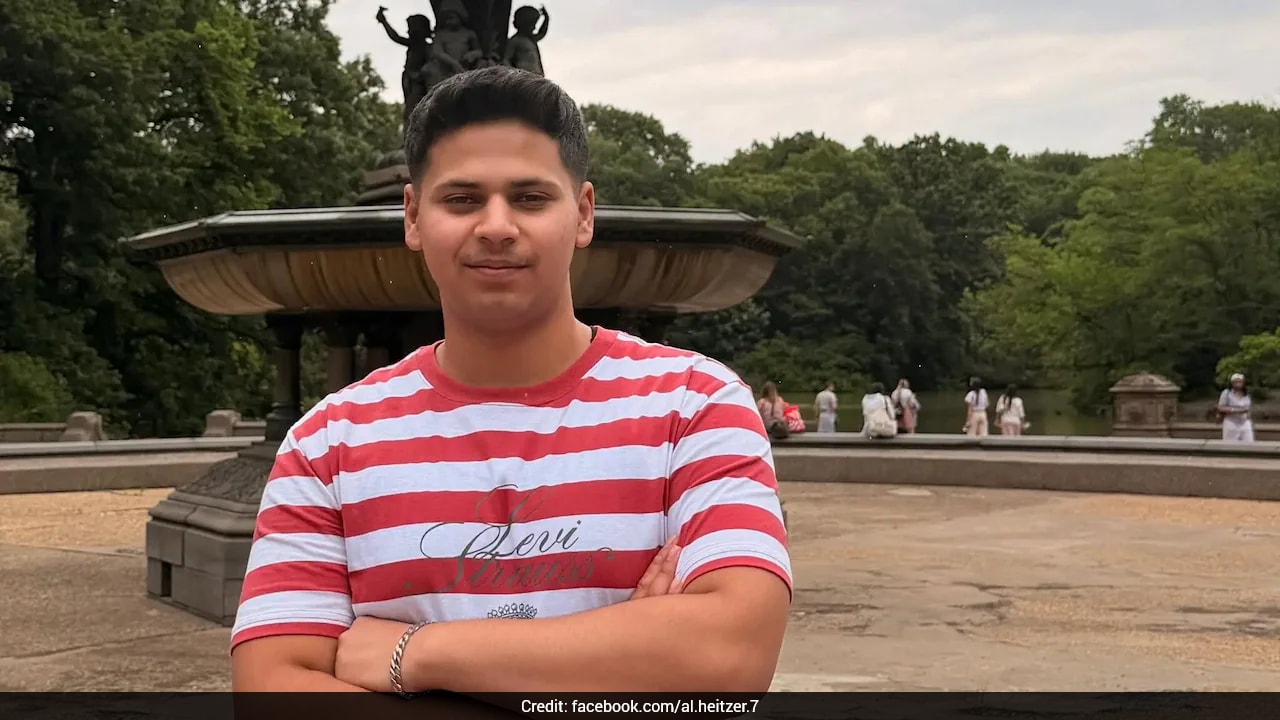
On a bright Monday, the Mahajan family arrived in New York from India. It was a journey of profound celebration. Romanch Mahajan, an 18-year-old on the cusp of adulthood, had just received word that he was accepted into a university in Jaipur. The trip was a gift for his high school graduation, a shared moment of triumph for a proud father, a devoted mother, and a younger brother. They did what millions of tourists do. They walked the Brooklyn Bridge. They stood in the shadow of the Statue of Liberty. And to wind down a day of pure joy, they stepped into a richly decorated carriage near a fountain in Central Park. Recently making headlines recently: The Anatomy of Iranian Strategic De-escalation A Brutal Breakdown.
Then the illusion shattered.
The driver dismounted. He wanted to take a photograph to capture the family’s smiles against the backdrop of the park. It was a routine gesture, an everyday kindness, but it broke a fundamental safety rule. Left untethered, the horse suddenly bolted. Further insights into this topic are explored by TIME.
A panicked animal weighing over a thousand pounds is an unstoppable force. As the carriage surged forward blindly through the crowded paths, Romanch’s mother was thrown from the vehicle. Instinct took over. The teenager did not hesitate. He screamed for his mother and jumped from the accelerating carriage in a desperate attempt to save her.
He never got the chance. Romanch hit the ground hard, suffering a fatal head injury, while the driverless carriage careened onward, clipping another vehicle before finally toppling over. The rest of the family escaped with minor physical injuries. But the psychological wreckage is permanent. Deepak Mahajan, the boy's father, spoke of the aftermath with a grief that defies language. The city had taken his son’s dream away.
A Century of Friction in the Park
Romanch’s death is believed to be the first human fatality involving a Central Park horse carriage since the attraction was introduced more than 150 years ago. Yet, to those who track the intersection of animal welfare and urban safety, it felt like an avoidable inevitability. The tragedy marked the eighth horse-related incident in the park over a mere 13-month span.
Consider the environment we ask these animals to navigate. Central Park is no longer the quiet pastoral escape designed by Frederick Law Olmsted in the 19th century. It is a dense, high-velocity pressure cooker. Electric bikes zoom past at twenty miles per hour. Pedestrians stream across walkways wearing noise-canceling headphones. Pedicabs blare music, car horns echo from the surrounding avenues, and sirens wail unexpectedly.
For a prey animal wired by evolution to flee from sudden noises and unexpected movements, this environment is a psychological minefield. When a horse panics, it enters a state of blind terror. It does not see a historic landmark or a family celebrating a graduation; it sees a threat, and it runs.
The Central Park Conservancy, the influential non-profit that manages the 843-acre expanse, reached its breaking point following the accident. Leaders argued that if any other concession or activity inside the park posed a comparable, recurring risk to human life, it would have been shut down years ago. The organization threw its weight behind a long-simmering piece of city legislation known as Ryder’s Law, which seeks to ban the carriage industry entirely.
The Fight for Livelihood on the Asphalt
But every story in New York has a counterweight, an invisible ecosystem of human lives tied to the very things others want to dismantle. To understand the resistance to a ban, you have to look into the eyes of the working-class New Yorkers who hold the reins.
Drivers and owners are represented by the Transport Workers Union Local 100. To them, the horses are not a political talking point or a cruel gimmick. They are a livelihood. They are rent money, grocery funds, and tuition fees.
Alexander Kemp, a vice president with the union, described the industry as utterly gutted and stunned by the tragedy. Stables were shuttered, and operations ceased voluntarily in the immediate aftermath as drivers grappled with the horror of what occurred. Yet, the industry maintains that total abolition is an extreme reaction to a failure of infrastructure.
Industry defenders argue that ninety percent of these accidents could be prevented with simple, pragmatic adjustments. They point to a lack of basic utility in the park. If the city installed secure hitching posts at popular tourist photo stops, drivers would not have to choose between keeping their hands on the reins and taking a photo for a family. Drivers have to eat. They have to use the restroom. They are human beings operating in a system that provides them almost no physical support on the ground.
Other major American cities have already drawn a line in the sand. Chicago ended its horse-drawn carriage rides. San Antonio followed suit. They chose to prioritize the modernization of public spaces over the preservation of a romanticized past.
The Search for a Just Transition
New York City Mayor Zohran Mamdani, who campaigned heavily on a platform of progressive urban reform, has doubled down on his promise to end the industry once and for all. But the political reality of New York is a graveyard of similar promises. Mayor Bill de Blasio famously vowed to ban the carriages on his very first day in office, only to be stymied by years of intense union opposition and City Council gridlock.
The current administration claims the approach will be different. The rhetoric has shifted away from a punitive shutdown and toward a concept known as a just transition. The goal is to collaborate with the City Council, labor representatives, and animal welfare advocates to design a off-ramp that protects the financial well-being of the workers while ensuring no more horses are forced onto the gridlocked streets.
Ideas have floated through City Hall for years, ranging from replacing the carriages with vintage-style electric vehicles to transitioning the drivers into specialized park tourism roles. But ideas do not pay the bills, and the workers remain deeply skeptical of promises made by politicians.
The debate will culminate in a high-stakes City Council hearing, where the emotional testimonies of grieving advocates will clash directly with the economic anxieties of working families. The stables will eventually reopen, and the horses will return to the pavement, at least temporarily, while the wheels of bureaucracy grind forward.
But the silence left behind in Jaipur cannot be filled by policy debates or legislative compromises. A family came to New York to watch a young man step into his future. Instead, they returned home with a coffin, leaving a city to reckon with the true price of its nostalgia.