The grass on a World Cup final pitch is unlike any other turf on earth. By the time the final Sunday arrives, it carries the physical weight of a month’s worth of desperate sliding tackles, spilled sweat, and the invisible, crushing pressure of entire nations watching through glowing screens. To stand near it is to feel a strange, vibrating energy. The air smells of crushed rye, damp earth, and the faint, metallic tang of pure adrenaline.
On Sunday, that grass will host the two greatest soccer teams on the planet. But high above the chalk lines, in the climate-controlled, bulletproof sanctuary of the stadium’s primary luxury suite, a different kind of game will play out.
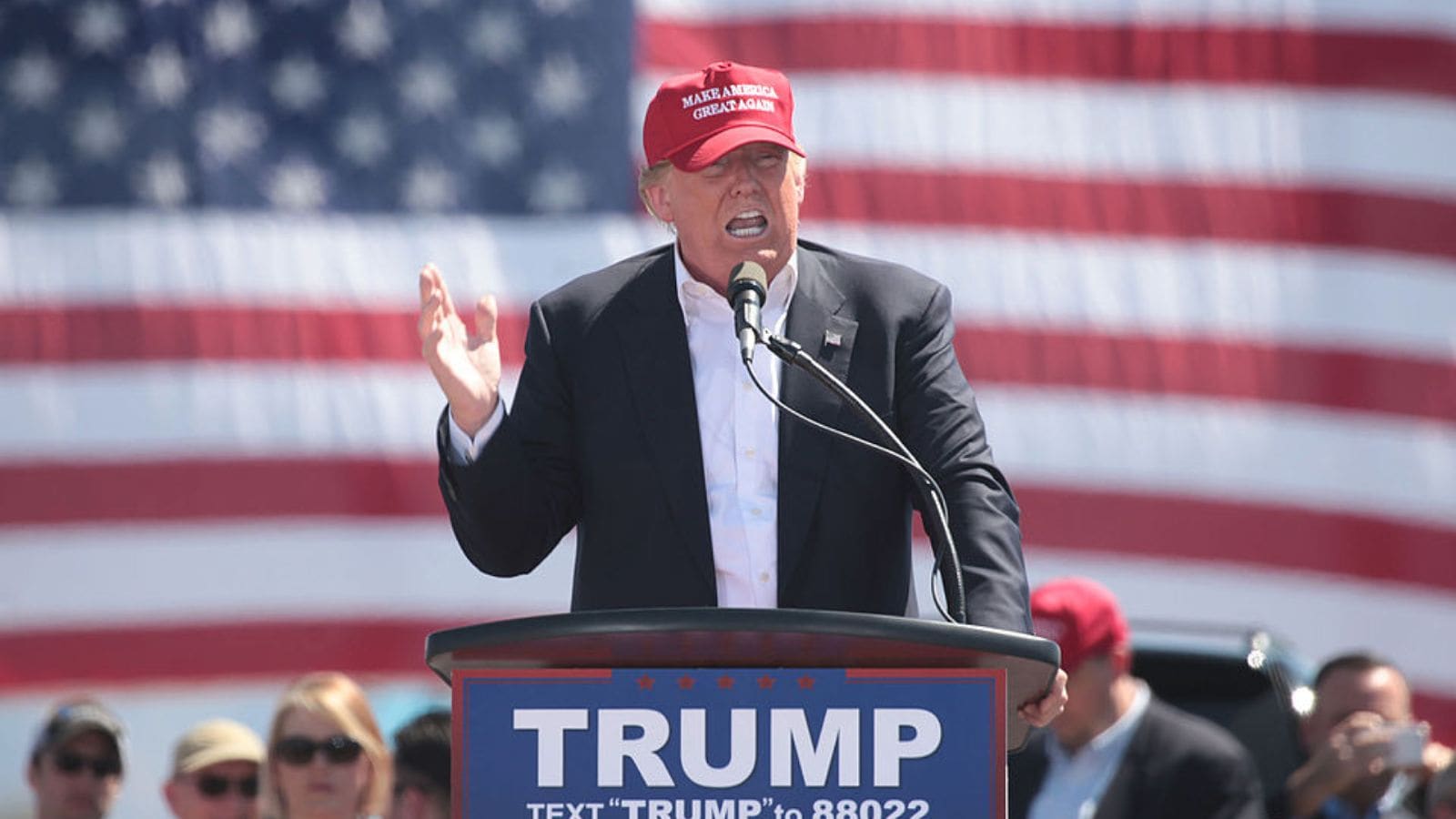
The White House confirmed that President Trump will be in attendance for the final match.
To the casual observer, it is a standard optical play. A president shows up, waves to the crowd, eats a high-end shrimp cocktail, and basks in the reflected glory of athletic perfection. It looks simple. It feels routine.
It is neither.
The Theatre of the VIP Suite
Sport at this level has long ceased to be just about a ball and two goals. It is the ultimate stage for soft power, a diplomatic theater where a single nod or a calculated absence speaks louder than a formal state department brief.
Imagine a mid-level diplomat stationed in an embassy thousands of miles away. Let us call her Sarah. Sarah spends her days analyzing trade deficits and reading between the lines of dull, bureaucratic communiqués. For months, she tries to secure a meeting with a hostile counterpart to discuss maritime borders. The calls go unreturned. The emails sit in a digital void.
Then comes the World Cup.
Suddenly, the leaders of both nations are spotted sharing a brief, unscripted conversation near the stadium elevators. They shake hands. The cameras flash. By Monday morning, Sarah’s phone rings. The counterpart wants to talk.
This is the hidden machinery of international sports attendance. The stadium becomes neutral ground, a massive, noisy distraction that allows the world’s most powerful figures to cross paths without the rigid baggage of a formal summit. No one has to admit they blinked first if they just happened to bump into each other while looking for the restroom during halftime.
The Sound of Eighty Thousand Screams
But the stadium is also an unpredictable beast.
Politicians love controlled environments. They like podiums with teleprompters, pre-screened crowds, and advance teams that orchestrate every movement down to the second. A stadium bowl holding eighty thousand unpredictable, highly emotional human beings is the exact opposite of controlled.
When a head of state is shown on the massive Jumbotron, the reaction is instantaneous and raw. It is a terrifying binary. The crowd either roars in approval or lets loose a deafening, unified hiss that vibrates right through the concrete foundations of the arena. You cannot spin a live stadium reaction. You cannot send a press secretary out to explain that the boos were actually chants of appreciation. It is the ultimate, unvarnished focus group.
Every leader who steps into that arena knows the risk. They are trading the absolute safety of the West Wing for a high-stakes gamble on public sentiment. They bet that the collective joy of the event will wash over them, staining them with the gold paint of victory.
The gamble matters because sports offer something politics rarely can: absolute clarity.
In the real world, policy decisions are messy. A bill passes, and ten years later, economists are still arguing over whether it actually helped the middle class. A treaty is signed, and its success is buried in decades of fine print. There are no clear winners, only varying degrees of compromised survival.
On the pitch, however, the whistle blows. One team lifts the trophy. The other weeps on the turf. It is final. It is clean. By sitting in the stands, a leader attempts to borrow that cleanliness, to inject a hit of that undeniable, objective triumph into the murky waters of governance.
The View from the Cheap Seats
Away from the mahogany trim of the presidential box, the real pulse of the stadium lives in the upper tiers.
Consider the fan who saved for three years to buy a single ticket behind the goal. He skipped meals, drove an aging sedan with a slipping transmission, and argued with his spouse about the family budget. To him, Sunday is not a diplomatic exercise. It is not an opportunity to project geopolitical strength or signal economic stability to foreign markets.
It is everything.
When the stadium lights catch the evening mist, creating a halo effect over the entire venue, that fan is not thinking about the motorcade blocking traffic outside or the extra layers of Secret Service screening that delayed his entry by two hours. He is watching the trajectory of a leather ball slicing through the air.
The contrast is stark, almost absurd. Below, twenty-two athletes chase a boyhood dream with everything they have. Above, men in tailored suits watch the same movement, calculating how the outcome might influence a bilateral trade agreement or shift the national mood before an upcoming legislative push.
Both groups are entirely focused on the same ninety minutes of play, yet they are living in completely different universes.
The Final Whistle
As the clock ticks down toward the ninetieth minute on Sunday, the tension inside the stadium will become physical. It thickens the air, making it hard to draw a full breath. The security detail will tighten their perimeter. The television producers will cue the confetti cannons. The dignitaries will adjust their ties, preparing for the inevitable cameras that will swing toward their faces the moment the match ends.
When the final whistle blows, the stadium will erupt into a chaos of noise and color. The players will collapse, drained of every ounce of energy they possessed.
High above the field, the occupants of the luxury box will begin their exit. They will move through private corridors, escorted by men with earpieces, insulated from the sea of exiting fans pouring into the damp night air. The president’s motorcade will slide away into the dark, leaving the stadium behind.
The grass below will remain, scarred by cleats, littered with confetti, quietly absorbing the remnants of a day where the fate of a game and the theater of global power collided under the very same lights.