A single positive Ebola test on American soil triggers an immediate storm of breaking news alerts and public anxiety. It sounds like the plot of a movie. The reality, though, is far more clinical, highly organized, and tightly controlled than the headlines suggest. When a US citizen tests positive for Ebola, a massive, pre-planned federal and state biosecurity apparatus immediately snaps into action.
The immediate priority isn't figuring out a treatment plan from scratch. Public health officials already have a playbook. Instead, the focus shifts to safe transportation, targeted medical intervention using newly approved therapeutics, and aggressive contact tracing to ensure the virus stops with that single patient.
You don't need to panic. The US healthcare system has spent over a decade preparing for this exact scenario.
Inside the Specialized Biocontainment Units
A standard hospital isolation room isn't enough for a pathogen like Ebola. The moment a presumptive positive test occurs, plans begin to move the patient to one of a select few regional biocontainment centers across the country.
These aren't ordinary medical wards. Places like the Nebraska Medical Center in Omaha, Emory University Hospital in Atlanta, and the National Institutes of Health in Maryland operate specialized units designed specifically for highly lethal pathogens. They feature negative air pressure systems to prevent any airborne particles from escaping, though Ebola spreads through direct contact with bodily fluids rather than the air.
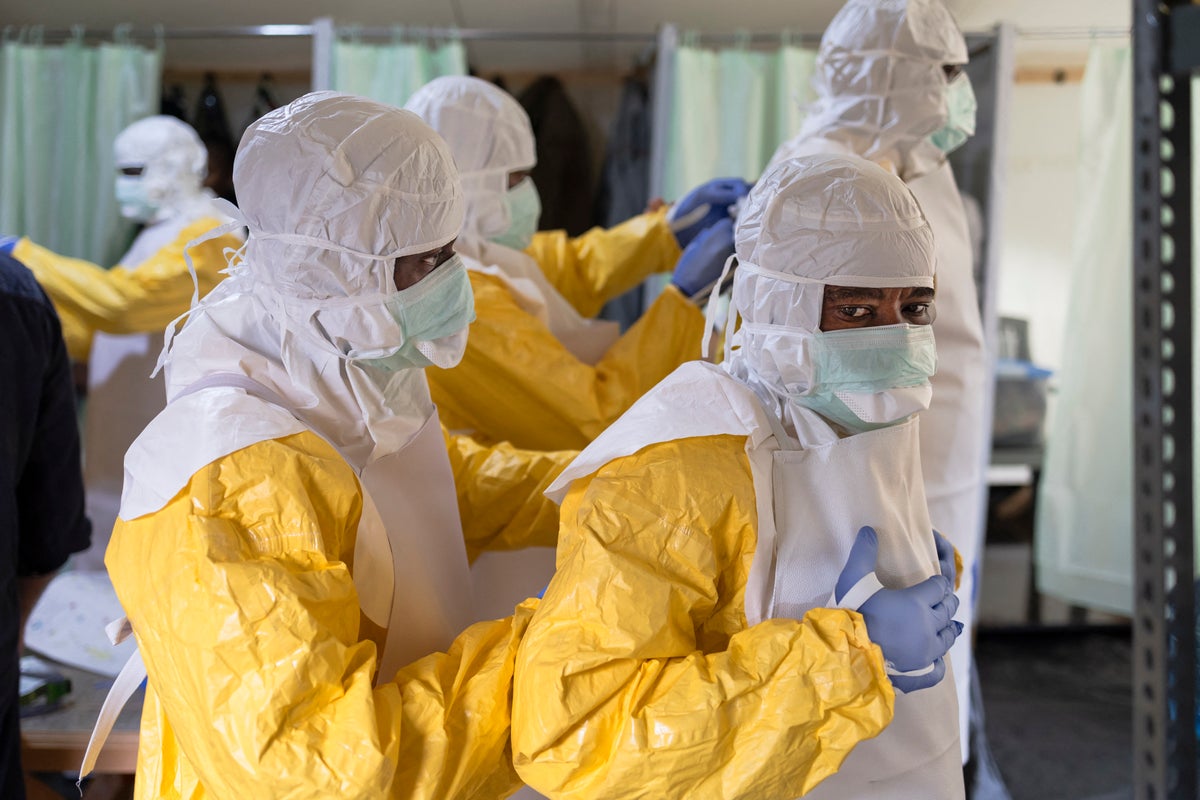
Medical staff in these units undergo rigorous training. They wear full-body personal protective equipment, often called PPE, which requires a trained observer just to help them put it on and take it off safely. The simple act of removing a glove becomes a multi-step protocol. One mistake can mean exposure.
Hospitals use these units to isolate the patient completely from the general hospital population. Waste disposal becomes a monumental task. Every piece of trash, every used syringe, and even the wastewater must be autoclaved—essentially pressure-cooked with high-temperature steam—or incinerated before it leaves the facility.
The Current Arsenal of Ebola Treatments
Years ago, an Ebola diagnosis felt like a death sentence. Doctors could only offer supportive care, like intravenous fluids and balancing electrolytes, hoping the patient's immune system would fight off the virus.
That changed drastically following recent outbreaks in the Democratic Republic of the Congo. The US Food and Drug Administration approved two highly effective targeted treatments. These aren't experimental guesses. They are proven lifesavers.
The first is Inmazeb, a combination of three monoclonal antibodies. The second is Ebanga, a single monoclonal antibody. Both treatments work by targeting the glycoprotein on the surface of the Ebola virus. By binding to this protein, the drugs block the virus from entering and infecting human cells.
Inmazeb: Three monoclonal antibodies blocking viral entry.
Ebanga: Single monoclonal antibody targeting the viral spike.
When a patient arrives at a biocontainment unit, infectious disease specialists evaluate which treatment to administer based on the specific strain of the virus and the patient's current organ function. Getting these drugs to the patient quickly is vital. Clinical trials showed that when patients receive these monoclonal antibodies early in the course of the disease, survival rates skyrocket past 80 percent.
Doctors also don't abandon supportive care. They use advanced monitoring to track kidney function, fluid levels, and blood coagulation. Ebola notoriously causes severe vomiting and diarrhea, leading to extreme dehydration. Replacing those fluids precisely can mean the difference between recovery and organ failure.
The Invisible Work of Contact Tracing
While doctors focus on the patient in the isolation ward, public health officials focus on the outside world. This is where the Centers for Disease Control and Prevention teams up with local health departments.
They build a detailed timeline. They map out every single movement the infected individual made from the moment they became symptomatic. It's crucial to remember that Ebola is not contagious before symptoms appear. A person walking around during the incubation period, which lasts anywhere from 2 to 21 days, cannot pass the virus to others.
Contact tracers find everyone who had direct contact with the patient's bodily fluids. They categorize these contacts by risk level.
High-risk contacts might include family members who cared for the sick individual or healthcare workers who handled samples before the diagnosis. These individuals are placed under active monitoring. They must check their temperature twice a day and report any symptoms to health officials immediately. In some cases, voluntary or mandatory quarantines are established for the duration of the 21-day incubation window.
This meticulous tracking prevents a single case from becoming an outbreak. It requires immense resources and cooperation, but it works.
Why Public Panic Trumps the Actual Medical Risk
The word Ebola carries immense psychological weight. It evokes images of bleeding and rapid death. This fear often leads to a massive disconnect between public perception and actual risk.
You cannot catch Ebola by sitting next to someone on a bus unless they are actively vomiting or bleeding on you. It doesn't drift through air conditioning vents. It doesn't linger on grocery store carts for days like some respiratory viruses.
The US has an incredibly robust infrastructure designed to contain infectious diseases. The likelihood of a widespread Ebola outbreak in a country with modern plumbing, private hospital rooms, and readily available personal protective equipment is incredibly low. Most transmissions in historical outbreaks occurred due to a lack of basic medical supplies, reuse of needles, or traditional funeral practices involving direct contact with the deceased.
Misinformation spreads faster than the virus itself. Social media feeds fill up with conspiracy theories and exaggerated claims the moment a case is announced. Relying on verified updates from local health authorities and the CDC remains the best way to separate fear from reality.
Operational Next Steps for Healthcare Providers
Local healthcare facilities must stay vigilant even if the patient is hundreds of miles away in a specialized containment unit. The first line of defense is always the local emergency room or urgent care clinic where an undiagnosed patient might first walk in.
Frontline medical workers must consistently use the travel history screening protocol. Asking every patient with a fever about recent international travel takes less than a minute but saves lives. If a patient reports travel to an active Ebola outbreak zone within the past three weeks, immediate isolation must occur before any extensive physical examination takes place.
Clinics should regularly audit their supply of personal protective equipment. Staff need refresher courses on the exact sequence for donning and doffing gear. Knowing how to safely isolate a suspected case locally while waiting for state health officials to coordinate transport is a core competency that prevents domestic transmission. Keep protocols updated, keep staff trained, and don't let down your guard just because cases are rare.