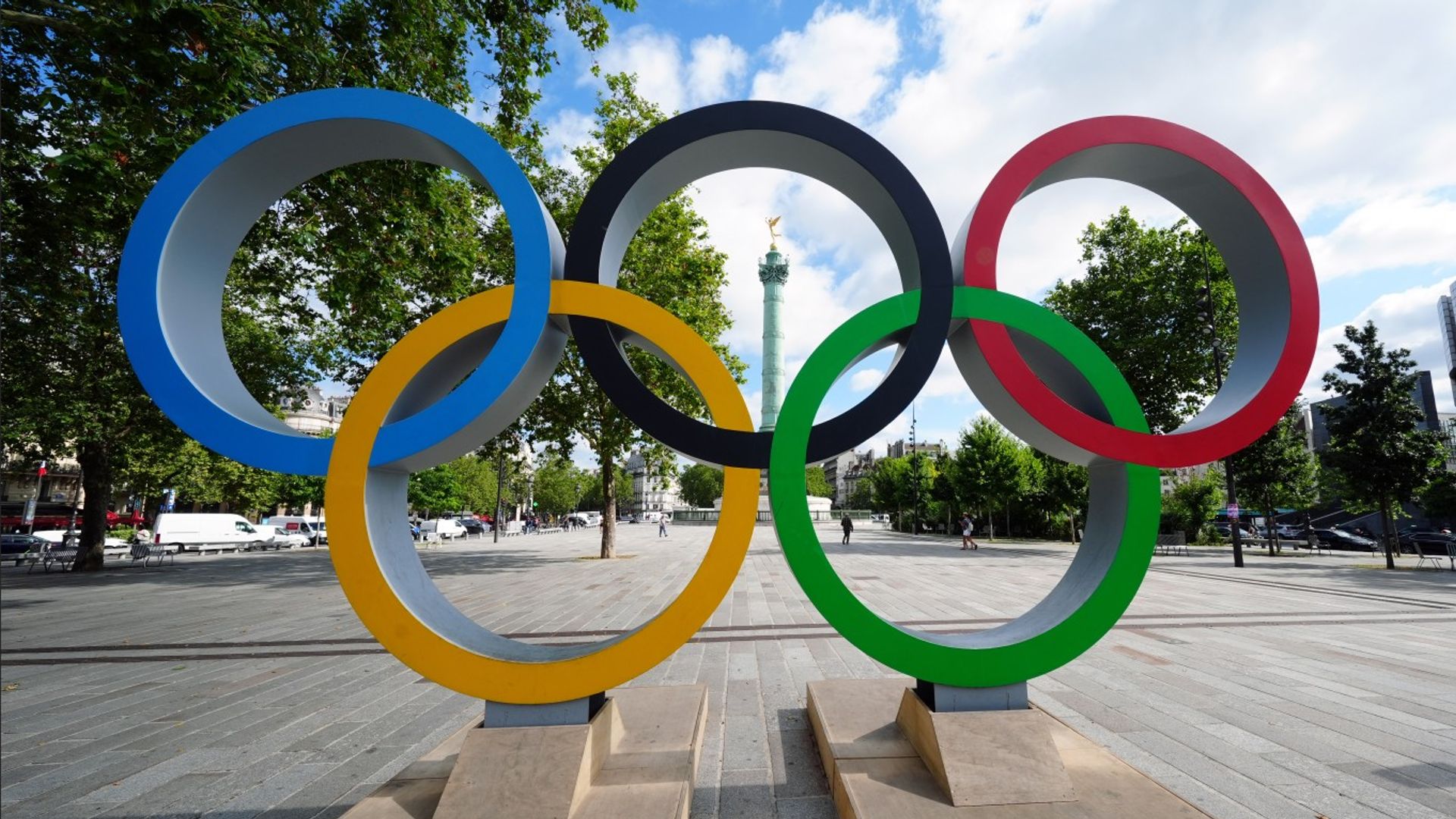
Rain smells different in Paris than it does on Poydras Street. In New Orleans, a sudden downpour pulls up sweet olive, damp brick, and the warm iron tang of the river. Along the Seine in late October, the air carries diesel exhaust, wet limestone, and the sharp, metallic chill of autumn settling over Saint-Denis.
Yet inside the towering bowl of Stade de France, when the New Orleans Saints lined up against the Pittsburgh Steelers in the NFL's regular-season trip to Paris in October 2026, the roar felt strangely familiar. Eighty thousand voices rising at once. A sea of black-and-gold jerseys mixed with black-and-gold terribleness. A leather football spinning through damp European air toward a running back who has spent a decade making grown linebackers miss in phone booths.
Alvin Kamara.
For years, a standard sports wire story about an international game has followed a predictable script. Mention the league's push into Europe. Quote the running back on "growing the game" and "connecting with international fans." Add a paragraph about youth clinics and community outreach, then file before deadline.
That script misses the pulse.
I have stood on sidelines in humid August heat where young men with cracked helmets and taped ankles were trying to turn forty yards of grass into a ticket out of a hard zip code. I have also watched kids in cities thousands of miles from Louisiana treat American football like a secret language—something flashy, loud, and slightly mysterious on late-night television, until someone puts a real football in their hands and tells them they belong on the field.
When the NFL brings a game to Paris, it is easy to view it through the lens of boardrooms, broadcasting rights, and passport stamps. Those things exist. The NFL has spent years expanding its international regular-season slate—from London and Mexico City to Munich, Frankfurt, São Paulo, Madrid, and Paris—treating the globe as a long-term growth engine rather than a novelty tour.
Still, numbers rarely explain why a teenager in a banlieue outside Paris suddenly cares about a screen pass to the flat or a stiff arm along the sideline.
To see what is really happening beneath the spectacle, it helps to step away from the press box and trace two parallel lives. One is real and well-documented: Alvin Kamara's path from a restless, gifted kid navigating tough stretches in Atlanta and South Carolina to becoming a five-time Pro Bowl centerpiece in New Orleans, a player known for effortless balance, quiet style, and an unmistakable bond with the city that adopted him. The other is a hypothetical scenario—a composite sketch built from what youth coaches, mentors, and community leaders see every week when a major sport lands in a new city.
Call this hypothetical kid Tariq.
Tariq is fifteen, living in a high-rise apartment complex north of central Paris where the concrete courtyard echoes with footballs—the round kind, kicked against metal gates until dusk. American football to Tariq has always looked like armor and chaos. Shoulder pads like gargoyles. Collisions that sound like car doors slamming. It felt like a movie made for someone else, in another country, speaking an idiom he only half-understood from video games and highlight reels.
Now imagine what shifts when the league arrives in town with real stakes, real jerseys, and players like Kamara talking not like corporate brochures, but like older cousins who know how heavy the world can feel when you are young and trying to figure out where you fit.
That is the hidden tension at the heart of global sports expansion. Skeptics have a fair point. Critics often ask whether billion-dollar leagues show up in foreign capitals for genuine community uplift or simply to harvest new consumers. Sometimes the answer leans uncomfortably toward the latter. A two-day youth camp with photo ops can evaporate on Monday morning if there are no coaches left behind, no equipment to borrow, and no safe space to keep playing once the cameras pack up.
I will admit my own skepticism here. Having watched plenty of big-budget initiatives roll into neighborhoods with fanfare and exit quietly, I find it hard not to wonder which efforts leave roots and which only leave tire tracks.
Yet dismissing the entire effort as cynical marketing misses what happens in the quiet corners. Sport does not solve poverty, housing shortages, or structural inequality by itself. Anyone who claims a football clinic cures systemic hardship is selling snake oil. What sport can do—when anchored by people who care—is interrupt isolation. It gives a kid a clock to run against, a huddle to stand inside, a coach who notices when they show up late or quiet, and a reason to come back tomorrow.
Kamara has spoken often about the power of sport as a catalyst for youth opportunity and personal direction. In his view, athletics offers structure and visibility, a place where raw energy can be shaped into discipline, confidence, and brotherhood rather than wasted on corners where nothing good waits. When an athlete of his caliber—someone whose game is built on vision, patience, and sudden change of direction—talks about opening doors for young people, it carries weight because he has lived the grind of making split-second decisions under pressure.
Think of it like planting a seed in compacted soil. You cannot force the root down with a speech. You have to break the crust, bring water, and give it time.
Why Paris Changes the Conversation
Paris is not just another stop on a tour map. It is a city steeped in art, fashion, history, and fiercely debated culture. Bringing an American gridiron clash to Stade de France puts a distinctly North American physical chess match inside a stadium that has hosted World Cup finals, rugby clashes, and Olympic moments.
For the Saints, carrying the black and gold across the Atlantic also carries a specific cultural signature. New Orleans is a city that knows how to celebrate survival, blend traditions, and turn rhythm into identity. Watching Kamara move through a pregame walkthrough or sign gear for fans thousands of miles from the Superdome reminds you that culture travels through people, not press releases.
For fans in France and across Europe, seeing a marquee player up close turns abstract television pixels into human scale. You notice how tall the linemen actually are. You hear the pop of pads even from the upper tiers. You see the small rituals—a quick dap between teammates, a breath before the snap, a veteran pulling a younger player aside after a mistake.
Suddenly, the game stops looking like a distant broadcast. It feels tangible.
The Invisible Stakes for Young Athletes
Behind every highlight reel is a quieter question that rarely makes the ticker: What happens when the whistle stops?
In sports media, we obsess over draft stock, contract numbers, and highlight plays. We pay far less attention to the emotional math a young person does every day when deciding whether to keep showing up to practice after school.
For a kid like our hypothetical Tariq—or for any teenager anywhere trying to find footing—opportunity rarely arrives as a single golden ticket. More often, it looks like a sequence of small permissions. Permission to try something unfamiliar without looking foolish. Permission to be loud, focused, or competitive. Permission to be mentored by someone who expects effort without belittling mistakes.
When global leagues and athletes invest in youth football, camps, and local pathways, the real test is not the crowd count on Sunday afternoon. The real test is whether a kid who walked onto the field thinking I don't belong here walks off thinking Maybe I have a shot.
Beyond the Final Whistle
By the time night falls over Saint-Denis, the stadium lights begin to feel almost theatrical against the dark sky. Tens of thousands of people file out toward the trains, trading opinions on drives that stalled, tackles that saved touchdowns, and moments that brought the crowd to its feet.
Most of them will go back to ordinary routines on Monday morning. Alarms will ring. Commutes will drag. Work will pile up.
somewhere in the city, though, a kid might still be holding a football under one arm, turning it over in his hands, thinking about the cut Kamara made on third down, the roar of eighty thousand throats, and the sudden, startling thought that his own life might have more room in it than he imagined yesterday.