We tend to think of human history as a story written in bones, stones, and DNA. But there is another archive sitting quietly inside your digestive tract. Trillions of microscopic organisms live inside us, and recent research shows they have been hitching a ride with our ancestors for thousands of years.
When early humans packed up and moved across continents, they didn't travel alone. They brought their internal ecosystems with them. Scientists studying isolated rural populations and comparing them across oceans are finding that our gut microbes hold an ancient map of human movement.
The Microbial Echoes in Modern Populations
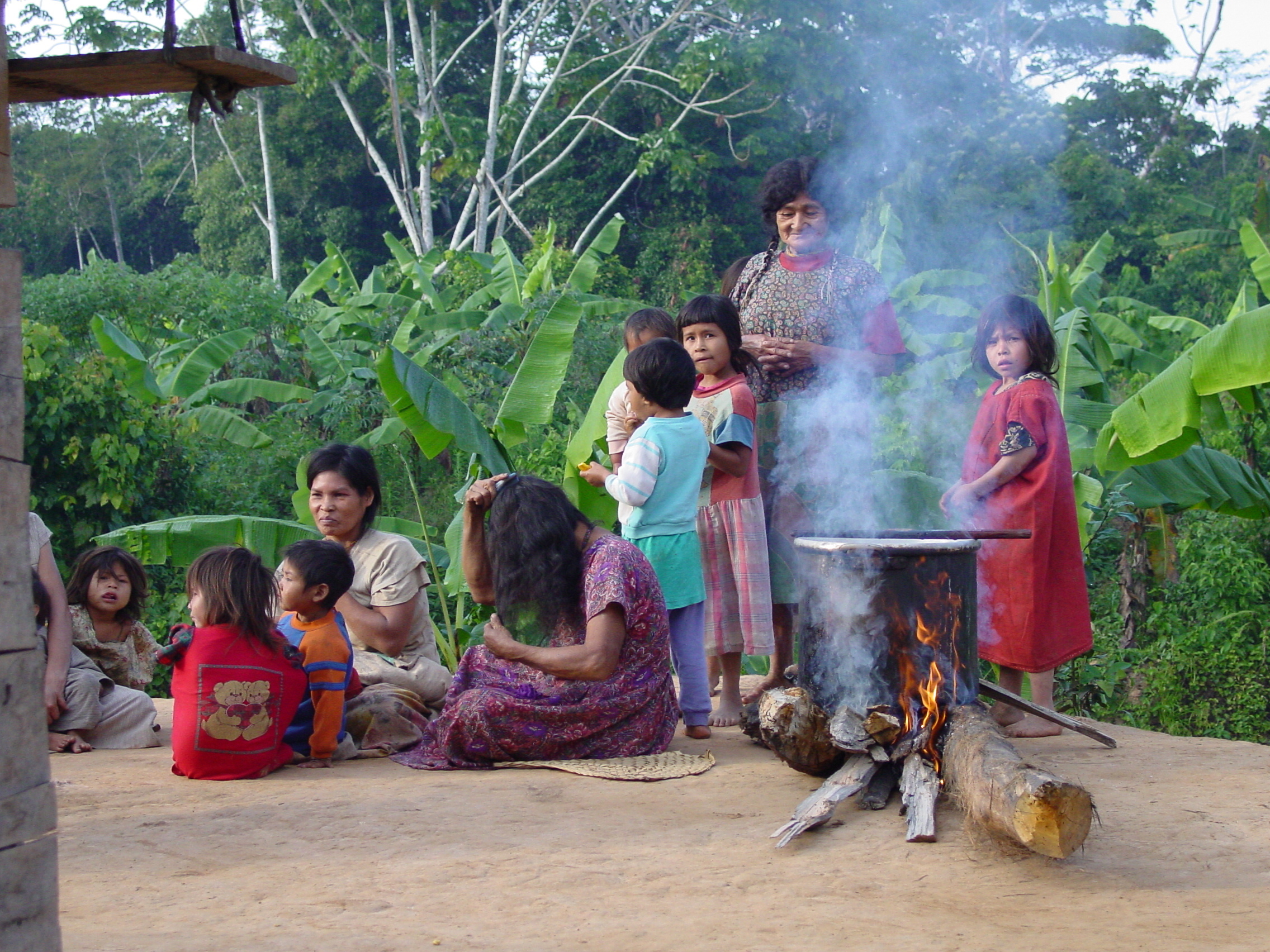
Think about two groups living worlds apart. The Hadza people forage and hunt across the open landscapes of northern Tanzania, keeping a lifestyle that stretches back millennia. Thousands of miles away, the indigenous Tsimane people fish, farm, and forage deep within the Bolivian Amazon.
They live on different continents, eat entirely different foods, and belong to completely distinct genetic lineages. Yet, when researchers analyzed their gut microbiomes, the results were astonishing. The vast majority of bacterial species found in the Tsimane microbiome matched those found in the Hadza.
How is that possible? Stanford University researchers and international collaborators point to a shared ancestral heritage. These microbes didn't just appear out of nowhere. They have been passed down through generations, maintaining a continuous interaction with human hosts since long before these populations became geographically isolated.
What Industrialized Societies Left Behind
If ancient gut bacteria managed to cross continents and survive for millennia, why do modern Western guts look so drastically different? The answer comes down to lifestyle shifts, processed diets, sanitation, and widespread antibiotic use.
People living in industrialized urban centers have experienced a massive loss of microbial diversity. Entire groups of ancestral bacteria that once lived in harmony with our ancestors have vanished from modern Western bodies.
This disappearance creates a blind spot in medicine. Researchers often build health baselines using data almost exclusively from wealthy, Western populations. But when scientists apply those same microbial health models to traditional communities, the models completely break down. A bacterial species that signals chronic illness in a New York City office worker might be entirely normal, or even protective, for someone living a traditional hunter-gatherer lifestyle.
Why This Microbial Loss Matters
From a purely functional standpoint, scientists are still racing to figure out what happens when we lose these ancestral passengers. Do we actually need them?
Co-evolved gut microbes formed deep dependencies with our own biology over hundreds of thousands of years. They help metabolize complex carbohydrates, regulate immune responses, and possibly influence metabolic health. As modern lifestyles strip these organisms away, we are essentially running a massive biological experiment on ourselves without knowing the long-term consequences.
Researchers are currently racing against time to document these vanishing microbial strains before industrialization wipes them out completely. Biobanks are collecting samples from remote communities worldwide to preserve a living history of the human superorganism.
Protecting your own gut health today isn't just about chasing the latest probiotic trend. It means recognizing that your body is an ecosystem built for a different kind of interaction—one rich in fiber, diverse in nutrients, and deeply connected to the natural world our ancestors traversed. Feed that ecosystem real food, cut back on ultra-processed items, and remember that you share your body with an ancient traveling companion.