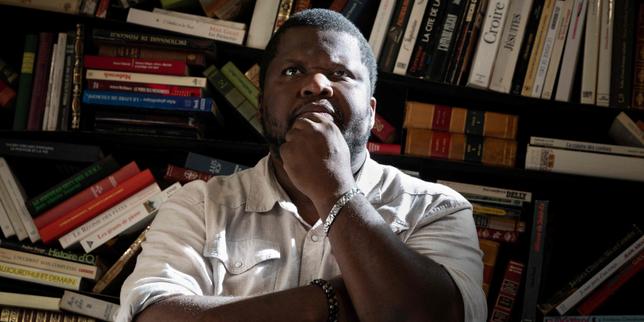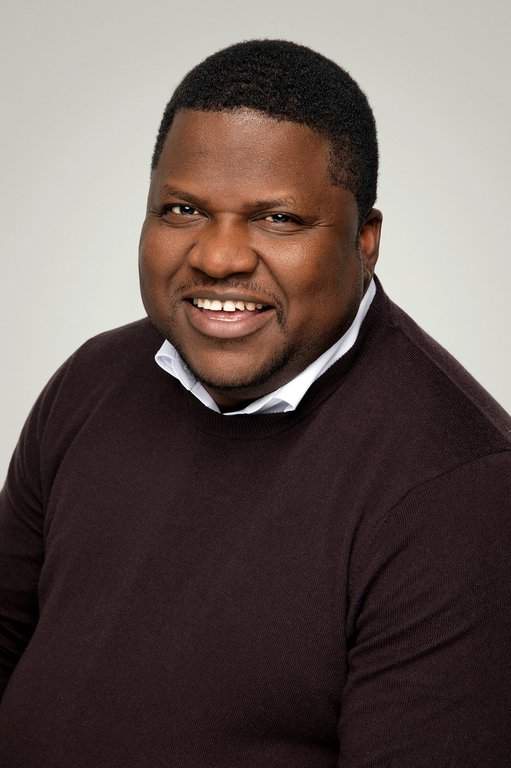
When the Académie Goncourt quietly ejected Quebec writer Thélyson Orélien from its prestigious prize lists, it didn't just torpedo a single book. It ripped open a raw nerve in the literary establishment. Orélien's debut novel C'était ça ou mourir (It Was Either That or Die), a gripping narrative centered on a teacher escaping gang violence in Port-au-Prince, suddenly became radioactive.
Social media sleuths using detection tools like Pangram raised alarms, pointing fingers at generative text patterns, while media outlets piled on with separate plagiarism accusations regarding past work. The fallout was brutal and immediate. Publishers halted promotions, literary festivals uninvited him as a guest of honor, and the crown jewel of French literature slammed its doors shut.
Yet, looking past the media circus reveals a much uglier truth about how the traditional book industry reacts when technology threatens its sacred gatekeeping model.
The Fragile Illusion of Human Authenticity
We want to believe that art comes from suffering, ink-stained fingers, and midnight oil. When a machine enters the equation, it feels like a violation of an unwritten contract between author and reader. But the panic surrounding artificial intelligence in creative writing stems from a fundamental misunderstanding of how writers actually work today.
Orélien initially faced an onslaught of criticism orchestrated by online monitoring collectives. While he maintained that his plotting, structure, and emotional core came straight from his lived experience and gut instinct, he admitted to using tools here and there for research and navigating foreign idioms.
That nuance—using technology as a digital dictionary versus letting a language model generate an entire manuscript from a single prompt—got lost in the digital lynch mob. The literary world operates on an absolute binary: either you are a pure, tormented human genius writing in total isolation, or you are a fraud cheating the system. Reality is far messier.
The Flawed Oracle of AI Detectors
Let's talk about the tools driving these cancellations. Platforms like Pangram and various text scanners have become the judge, jury, and executioner for modern authorship.
Here is what tech companies won't tell you: text detectors are notoriously unreliable, especially when applied to translated works, non-traditional dialects, or rhythmic Caribbean prose. Authors writing outside the rigid boundaries of standard Parisian French frequently trigger false positives. Detectors flag repetitive structures, specific rhythmic cadences, and stylistic flourishes as machine-generated simply because AI models were trained on human writing that contains those exact patterns.
When a collective of online sleuths runs a minority author's text through a black-box probability scanner, they aren't conducting forensic science. They are weaponizing software that even computer scientists admit struggles to reliably distinguish authentic human voice from synthetic output.
Why Plagiarism Accusations Compound the Panic
The scandal didn't stop at synthetic text generation. Critics also unearthed historical plagiarism concerns linking Orélien's previous output to older French texts, such as a preface by journalist Louis Pauwels.
This is where sympathy hits a wall. While using software to refine phrasing is a grey area that writers are actively navigating, lifting passages verbatim from other creators crosses an ethical boundary that has nothing to do with artificial intelligence. Plagiarism is as old as print itself. Conflating traditional intellectual theft with modern machine generation creates a smokescreen that prevents publishers from addressing either issue with clarity.
Publishing houses panicked because they lacked the protocols to vet manuscripts in an era where digital tools blur boundaries. Instead of investigating claims rigorously, they cut ties to protect their brand equity.
What This Means for the Future of Writing
We are living through a transitional mess. The Goncourt scandal serves as a warning shot for every publishing house from Paris to Montreal.
Authors are already experimenting with digital assistants for outlining, translation assistance, and structural feedback. Meanwhile, publishers are terrified of backing the next big literary sensation only to find out an algorithm helped draft a winning sentence.
If the industry wants to survive this shift without destroying innocent creators, it needs to drop the hysteria. We need transparent guidelines on what constitutes acceptable editorial assistance versus ghostwriting by machine. Until then, witch hunts driven by flawed software detectors will continue to ruin careers before the ink has even dried on the page.