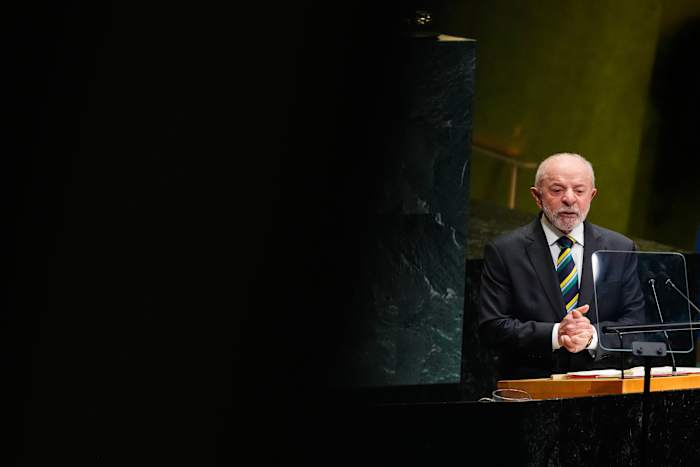
Every single year, world leaders fly private jets to massive convention centers. They stand at polished wooden podiums. They read speeches about existential threats, tipping points, and bold emissions targets. Then they fly home. Meanwhile, global temperatures keep ticking upward.
If you pay attention to the United Nations climate assemblies, you get a strange mix of soaring rhetoric and frustrating inaction. Heads of state step up to microphones to declare that humanity stands at a crossroads. They talk about saving future generations. They use phrases like "historic agreement" while quietly watering down the binding parts of those very agreements.
It is easy to become cynical. When politicians from countries that rely heavily on fossil fuels promise to phase things down rather than phase them out, you know politics is winning over physics.
The Rhetoric Versus Reality Gap
Listen closely to what leaders actually say at these global forums. Island nation representatives speak with raw urgency. They talk about rising sea levels literally swallowing their homes, their fresh water supplies, and their cultural heritage. Their warnings are direct, personal, and terrifying.
Then you hear from the economic powerhouses. Their speeches are full of conditional clauses. They will commit to action, but only if it does not hurt domestic growth. They promise funding for developing nations, but the money often arrives late, falls short of the pledges, or gets tied up in complex bureaucratic loans rather than direct grants.
This disconnect creates a bizarre theater. The speeches get sharper, but the emissions curves barely bend. We hear about climate finance targets measured in billions, while the actual transition requires trillions.
Who Is Actually Driving Change
Waiting for a unanimous consensus from nearly two hundred countries is a fool's errand. If you want to see where real momentum lives, do not look at the plenary hall speeches. Look at local markets, supply chains, and municipal governments.
Cities are redesigning public transit networks to prioritize electric buses and bikes. Local utility providers are shutting down coal plants early because solar and wind have become cheaper to operate than legacy infrastructure. Corporations are overhauling their supply chains because their biggest investors are demanding risk disclosures on carbon exposure.
None of these local wins make the front page like a fiery speech at a UN summit. Yet they are the actual machinery of transition.
The Danger of Empty Pledging
Targets for twenty or thirty years down the road are cheap. A leader currently in power can promise net-zero emissions by 2050, knowing they will long be out of office when the deadline arrives. That kind of distant ambition lets current administrations off the hook.
Real accountability requires near-term milestones. If a country is serious about climate action, its emissions must drop next year, not just mid-century. When we accept distant promises as victories, we trade actual progress for good PR.
Take a hard look at your own community or business footprint. Support local policies that mandate energy efficiency. Demand transparency from companies about where their energy actually comes from. Real change happens from the ground up, long before a microphone is ever turned on at a global summit.


