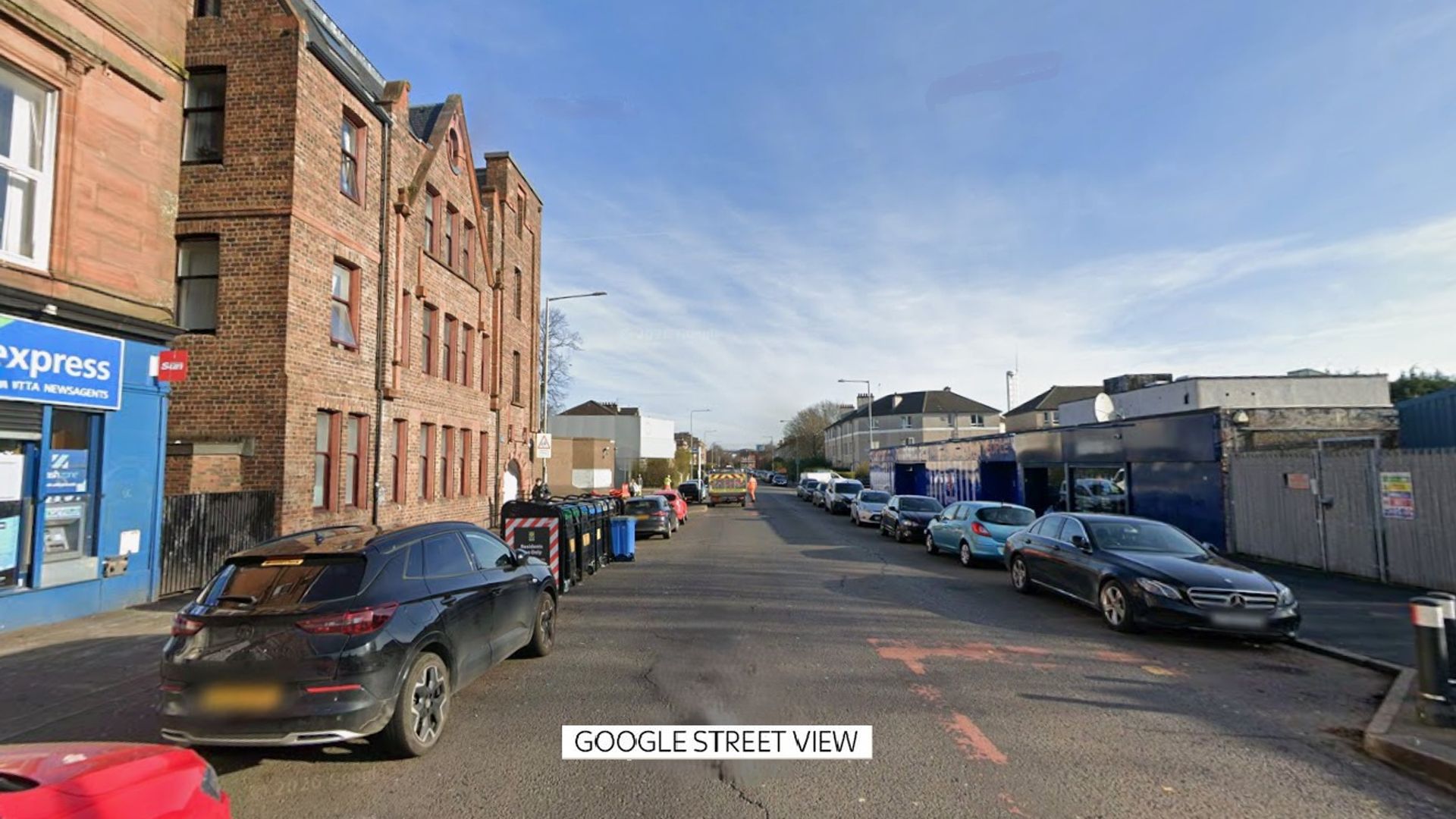
Fifteen people ended up in the hospital after a deliberate fire ripped through a building in Glasgow, and most of the coverage treats it like a fleeting local headline. That's a mistake. When emergency crews pull fifteen injured residents out of a single smoke-filled block, you aren't just looking at an isolated crime—you're looking at a failure point in how older Scottish tenements and modern residential blocks handle deliberate ignition.
Let's be clear about what "wilful" actually means in Scotland. Unlike England and Wales, where the law uses the term arson, Scots law classifies deliberate fire-raising as wilful fireraising (or culpable and reckless fireraising depending on intent). It isn't just legal semantics. When Police Scotland and the Scottish Fire and Rescue Service (SFRS) label an incident wilful right out of the gate, it means investigators found clear physical evidence of intentional ignition—accelerants, multiple points of origin, or forced entry into common closes—before the embers even cooled.
Why Common Closes in Glasgow Turn Deadly So Fast
If you've ever walked through a traditional Glasgow tenement or a mid-century stairwell block, you know the layout. Narrow stone stairs. Single exit routes. Shared close doors that residents constantly prop open with bricks or broken latches for convenience.
That architectural reality turns a minor bin fire or a lit pile of junk mail into a mass-casualty event in under four minutes.
Fire doesn't need to reach your flat to put you in the hospital. Smoke does the heavy lifting. When someone sets fire to items left in a common stairwell—prams, cardboard boxes, old mattresses—the stairwell acts like a giant chimney. Superheated toxic gases rocket upward, pooling on the top landings and seeping under front doors. Most of the fifteen people hospitalized in incidents like this aren't suffering from severe burns; they're dealing with acute smoke inhalation, carbon monoxide poisoning, and panic-induced injuries from trying to escape pitch-black corridors.
Honestly, people underestimate how fast modern synthetic materials burn. Fifty years ago, a hallway fire smoldered slowly because wood and wool took time to catch. Today, a single polyurethane foam sofa or plastic buggy dumped in a landing produces thick, cyanide-laced black smoke within ninety seconds. You can't see your hand in front of your face. You can't breathe. And if you open your flat door to see what's happening, you invite that lethal plume straight into your living room.
The Real Data Behind Wilful Fireraising in Scotland
People assume deliberate fires are rare anomalies carried out by Hollywood-style pyromaniacs. The numbers tell a completely different story. According to annual fire statistics published by the Scottish Fire and Rescue Service, deliberate fires consistently account for more than half of all fires attended across Scotland every single year.
Most of those are secondary fires—wheelie bins, derelict buildings, dry grass, and rubbish piles. Yet the line between a "minor" wheelie bin fire and fifteen people in A&E is razor-thin. Pull a burning wheelie bin up against a close door or inside a communal bin store beneath occupied flats, and the fire breaches the building envelope before the first appliance arrives from the local station.
Police Scotland treats wilful fireraising with extreme severity because the sentencing guidelines reflect the catastrophic risk to life. Under Scots law, wilful fireraising carries a maximum penalty of life imprisonment in the High Court. Still, conviction rates depend heavily on early forensic preservation and community CCTV. In densely packed Glasgow neighborhoods, private doorbell cameras and shopfront security systems often provide the exact timeline detectives need to track suspects leaving the scene.
What Happens During a Multi-Casualty Fire Response
When fifteen people require hospital transport from a single address, emergency services trigger a major incident response protocol. You don't just get two fire engines and an ambulance.
- Incident Command and Triage: The SFRS Incident Commander establishes sectors immediately—separating firefighting crews from search-and-rescue teams wearing breathing apparatus. Outside, the Scottish Ambulance Service sets up a casualty clearing station to triage patients based on airway compromise and oxygen saturation levels.
- Stay Put vs. Evacuation: This is where residents get confused. In purpose-built concrete flats with intact fire doors, fire services generally advise a "stay put" policy unless your specific flat is affected by heat or smoke. In older timber-joisted Glasgow tenements, fire spreads through ceiling voids and floor cavities much faster, often forcing crews into full-scale ladder rescues from upper-floor windows.
- Forensic Lockdown: Once the fire is extinguished and casualties are en route to hospitals like Glasgow Royal Infirmary or the Queen Elizabeth University Hospital, the building becomes a crime scene. Fire Investigation officers work alongside Police Scotland CID, using sniffer dogs trained to detect trace hydrocarbons and analyzing burn patterns to pinpoint where the match was struck.
Practical Steps If You Live in a Shared Building
Waiting for local councils or housing associations to upgrade fire doors won't protect you tonight. You have to control your immediate environment.
- Clear the common close completely. Never store bikes, prams, recycling bags, or old furniture in shared stairwells or landings. Every item in a hallway is fuel for an arsonist and an obstacle for firefighters dragging charged hoses up the stairs in zero visibility.
- Keep communal security doors closed. If the magnetic lock or mortise latch on your building's main entry door is broken, report it immediately and stop propping it open. Most wilful close fires are crimes of opportunity committed by someone walking straight off the street.
- Test your interlinked alarms. Since February 2022, Scottish law requires every home to have interlinked smoke and heat alarms—one in the living room, one in every hallway or landing, and a heat alarm in the kitchen. Press the test button today. If a fire starts in the close outside your door, your hallway smoke detector is your earliest warning before smoke fills your bedroom.
- Know when to stay behind a closed door. If your stairwell is full of black smoke and your flat is clear, stay inside. Stuff wet towels along the bottom gap of your front door, go to a window facing the street, open it for fresh air, and call 999 so the operator can tell fire crews your exact flat number and window location.
Check your hallway right now, clear anything flammable out of the stairwell, and verify that your building's front door actually locks behind you.


