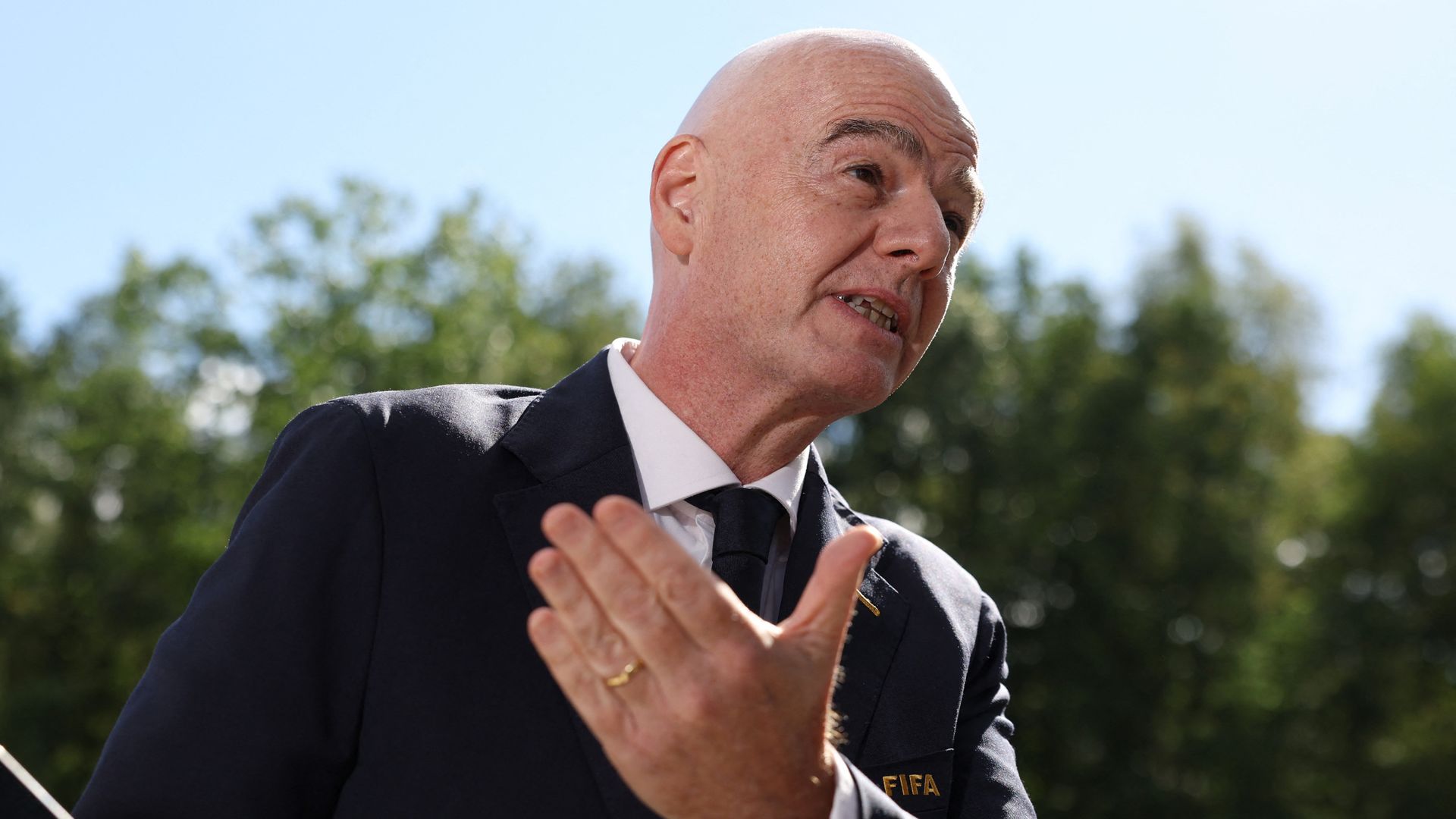
The lazy consensus in modern sports administration operates on a simple, comforting delusion: throw enough cash at a problem and competence will magically follow. When critics demand that Gianni Infantino hand ten million dollars to each of the two hundred and eleven member associations of FIFA, they are parroting populist economics that sound wonderful on a protest banner and spell absolute ruin in practice.
Let us dispense with the fairy tale immediately. Handing a blank check to every national federation on earth, from the German Football Association down to tiny island territories with a population smaller than a suburban shopping mall, does not democratize football. It institutionalizes corruption. It pours jet fuel onto local patronage networks. I have watched sports administration budgets vanish into unaccountable black holes across multiple continents, and the primary lesson is brutal. Money without institutional capacity is just an eviction notice for common sense.
The Mirage of Equality in Global Football
The core argument for the ten-million-dollar payout rests on a seductive egalitarian myth. The pitch sounds reasonable enough. Football belongs to the world, FIFA sits on billions in reserves, and distributing that wealth equally bridges the chasm between the elite European powerhouses and the rest of the planet.
This argument treats football federations like municipal utility companies. It assumes that a cash injection translates directly into youth academies, better pitches, and professionalized coaching staffs. But reality operates with far more friction. When you dump eight-figure windfalls into associations with zero independent audit trails, weak legal frameworks, and presidents who treat the national office as a family trust, you do not build grassroots infrastructure. You buy luxury SUVs, fund dubious consulting contracts, and secure lifetime political loyalty for incumbents who have rigged local elections for decades.
Look at the historical track record of FIFA development grants over the last twenty years. Whenever funds arrive without strict, punitive conditionality, the money leaks. Turf fields ordered from preferred vendors sit uninstalled in shipping containers at ports because local customs duties were never paid. Training centers materialize on paper while youth participation rates flatline.
Proponents of universal payouts refuse to acknowledge a basic administrative reality. The bottleneck in global football is not capital. The bottleneck is governance.
The Accountability Black Hole
To understand why a universal ten-million-dollar distribution is an administrative disaster, you must examine how most national associations function away from the television cameras.
In a surprising number of FIFA member states, the national football association is the single wealthiest non-governmental entity in the country. It dwarfs local industry. It operates with less regulatory oversight than a corner grocery store. When external funds arrive in these environments, they bypass domestic tax authorities and institutional checks.
Imagine a scenario where an association in a fragile political state receives a direct ten-million-dollar wire transfer from Zurich. There is no independent board of directors. There is no active sports journalism corps capable of filing freedom of information requests. There is only an executive committee whose primary survival skill is political patronage. Within eighteen months, that capital is gone. It has funded international junkets for delegates, stadium naming rights for politicians' relatives, and high-interest loans to shell companies.
The critics demanding this payout think they are fighting for the underdog. In practice, they are funding local oligarchs who treat the world's most popular game as their personal ATM.
Rethinking the Redistribution Model
This does not mean FIFA's current financial distribution model is a masterpiece of efficiency. Infantino and his executive team have plenty to answer for, particularly regarding opaque commercial deals and the relentless expansion of tournament schedules designed solely to juice broadcast revenues.
However, solving the wealth gap requires targeted structural intervention, not a blanket cash drop.
True development requires direct procurement rather than cash transfers. If a federation needs a national training center, FIFA should not wire ten million dollars. FIFA should contract independent engineering firms, purchase the land directly, oversee construction, and hand over the keys only when safety and operational standards are met. If an association needs elite coaching education, FIFA should dispatch certified technical directors and pay their salaries directly from Zurich, bypassing local treasuries entirely.
This approach strips away local political discretion. It removes the opportunity for embezzlement. It ensures that the capital actually turns into grass, concrete, and goalposts. Naturally, corrupt local executives hate this model. They want cash, not oversight. And sadly, well-meaning activists in London, New York, and Geneva are currently doing the bidding of those very executives by demanding unconditional payouts.
The Unspoken Trade Offs
Every dollar spent on unconditional universal grants is a dollar withheld from competitive infrastructure that actually drives the sport forward.
Elite football funds the entire global ecosystem. The broadcast rights sold in Western Europe and North America finance the women's game, youth World Cups, and refereeing technology across every continent. When outsiders demand that this capital be diluted and sprayed indiscriminately across two hundred and eleven disparate ledgers, they are accelerating a dangerous race to the bottom.
If you starve the commercial engine of the sport to fund administrative sinecures in nations where football is an afterthought, the entire enterprise loses its competitive edge. Elite tournaments generate the wealth in the first place. Treat them like a bottomless charity fund, and the goose stops laying golden eggs.
Stop pretending that throwing cash at bad governance solves the problem. It only expands the scale of the theft. The next time someone tells you that every national association deserves a ten-million-dollar check, ask them who audits the receipt. Watch how quickly the conversation turns to silence.