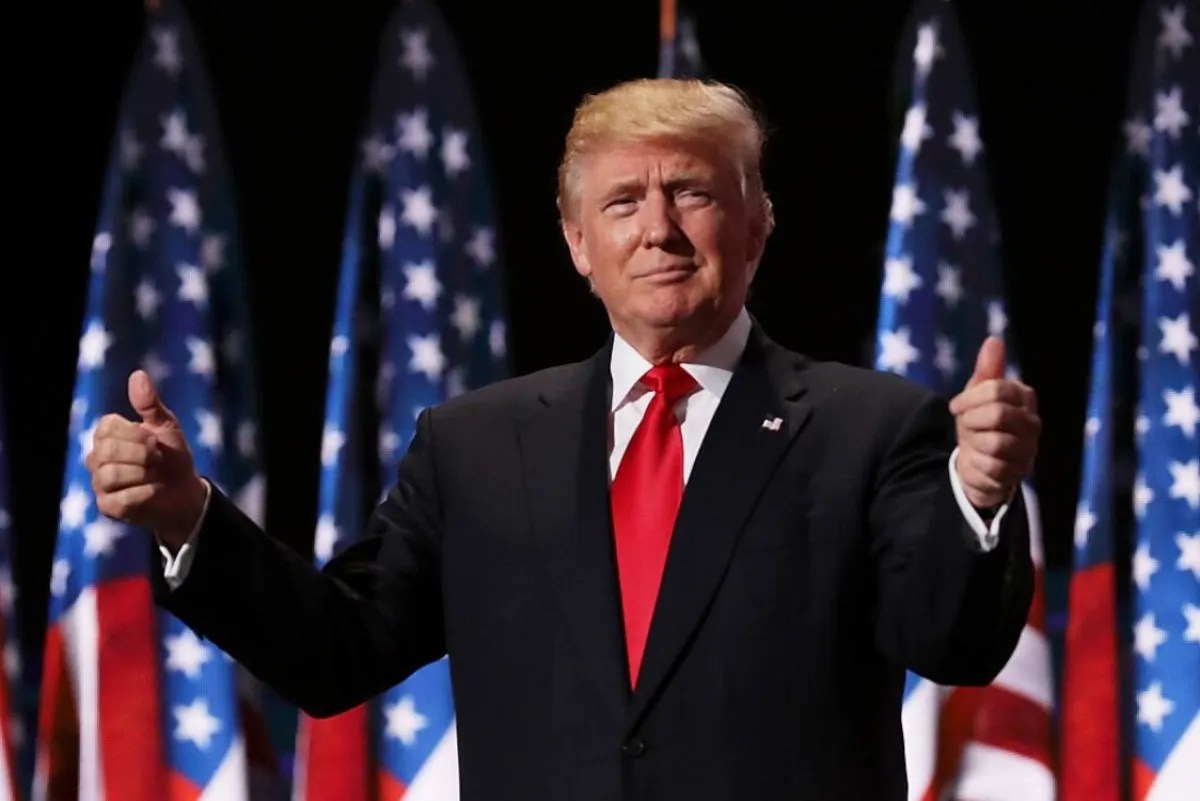
Geographic nomenclature is rarely neutral; it functions as an extension of state sovereignty, projecting dominance over physical chokepoints and economic corridors. When political leadership suggests renaming international maritime zones, such as the recent proposal by Washington to designate the Strait of Hormuz as the Trump Strait, the initiative exposes a deep friction between executive branding and the structural realities of international law. Evaluating this cartographic maneuver requires separating domestic political signaling from the operational mechanics of global maritime transit, international hydrography, and state jurisdiction.
The Mechanics of Maritime Jurisdiction
Under the United Nations Convention on the Law of the Sea, international straits used for international navigation between one part of the high seas and another are governed by transit passage regimes. The Strait of Hormuz, bordered by Iran and Oman, operates under legal frameworks that explicitly prohibit coastal states from suspending transit passage for foreign ships, let alone allowing a third-party military power to claim territorial sovereignty over the passage.
The assertion of control via naval blockades, mine-clearing operations, and armed escorts creates localized tactical dominance, but it does not alter de jure sovereignty. A military force can project power to secure commercial vessels or suppress hostile coastal batteries, yet legal ownership of the seabed and territorial waters remains tied to the littoral states. Unilateral renaming campaigns, such as executive orders altering federal maps for domestic use, possess zero authority beyond national borders. Global bodies like the International Hydrographic Organization and foreign mapping agencies operate independently of presidential proclamations, rendering external rebrandings functionally symbolic.
The Economic Cost Function of Chokepoints
The strategic value of the corridor is defined by throughput volume rather than cartographic labels. Approximately one-fifth of global petroleum transit relies on this narrow maritime artery. When military conflict escalates and physical throughput is compromised, the economic shock transmits directly to global energy markets, driving up domestic fuel costs and inflationary pressures regardless of what label is stamped onto digital map layers.
The economic equation governing the route relies on three variables:
- Transit volume capacity, dictating the daily flow of crude oil and liquefied natural gas.
- Alternative bypass infrastructure, including pipelines across the Arabian Peninsula that mitigate total maritime dependency.
- Insurance and risk premiums, which spike immediately when military hostilities disrupt standard commercial navigation.
Rebranding the corridor does not alter these financial vectors. Energy markets price risk based on physical security, mine threats, and active combat, not on social media announcements or administrative renaming orders. If the underlying transit channel remains contested by asymmetric coastal threats, the cost of moving energy commodities stays elevated.
The Limits of Executive Cartography
Political history reveals a consistent pattern of administrative renaming used for domestic audience mobilization. Dual-track realities frequently emerge when a government modifies domestic cartography while the international community maintains standard nomenclature.
Domestic constituents receive a narrative of total victory and project dominance, while global logistics networks, shipping conglomerates, and foreign ministries continue using established geographical identifiers. This divergence highlights a structural limitation in modern statecraft: executive power can coerce domestic software developers and federal agencies to update digital atlases, but it lacks the enforcement mechanism to compel foreign sovereign entities or international standard-setting bodies to comply.
Operational strategies must focus on securing physical supply chains and mitigating energy price volatility rather than pursuing symbolic victories through map alterations. The durability of global trade routes is governed by international law and physical security forces, meaning real-world stability will always supersede administrative declarations.