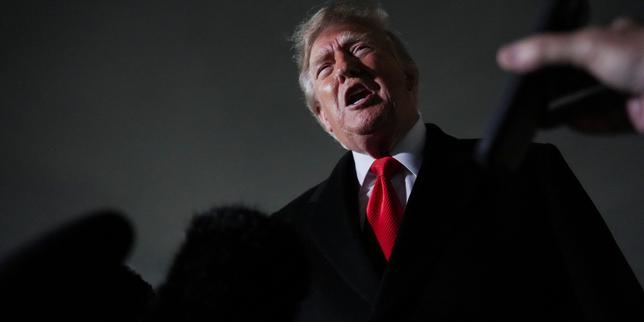
Diplomatic postures regarding the war in Ukraine are frequently analyzed through binary lenses of victory or defeat. A more rigorous methodology requires examining the structural incentives, economic attrition rates, and strategic calculations driving each actor. When external leaders assert that Moscow desires a settlement, this statement must be decoupled from political rhetoric and evaluated against the underlying cost function governing the operational theater.
The Attrition Calculus
To understand why a state leadership might signal an openness to negotiations, one must analyze the mathematical relationship between resource expenditure and strategic gain. Large-scale industrial warfare imposes severe constraints on both human capital and matériel.
- Personnel Depletion Rate: Sustained high-intensity engagements consume active-duty forces at a velocity that requires continuous mobilization or structural adjustments.
- Industrial Substitution Costs: Military manufacturing output must match consumption rates. When inventory replacement lags behind operational burn rates, strategic elasticity decreases.
- Fiscal Burden: Capital allocation toward military sectors crowds out domestic infrastructure and non-defense economic growth, creating long-term structural drag.
When the marginal cost of territorial acquisition exceeds the strategic value of the land secured, the optimization function for leadership shifts. Negotiating a settlement ceases to be a concession and becomes an economic necessity to preserve state solvency and internal stability.
The Diplomatic Signaling Problem
Public pronouncements by international mediators often obscure the precise terms under which a cessation of hostilities can occur. Strategic communication in wartime serves multiple audiences simultaneously, creating a divergence between public posture and private negotiation parameters.
Maximum Extraction vs. Settlement Thresholds
State actors typically state maximalist demands at the outset of diplomatic initiatives. For Moscow, these demands traditionally involve structural security arrangements, territorial consolidation, and restrictions on alliance expansions. For Kyiv and its international partners, the baseline requirement remains the preservation of sovereignty and enforceable security architectures.
The space between these initial positions defines the negotiation frontier. A desire for a settlement does not equate to a willingness to accept unfavorable terms; rather, it indicates an acknowledgment that prolonged stalemate carries compounding risks.
The Third-Party Mediator Dynamic
When external powers intervene to broker terms, their domestic political incentives heavily influence the diplomatic timeline. Mediators often seek rapid resolutions to validate foreign policy efficacy, running counter to the deeply entrenched security dilemmas of the primary belligerents. Consequently, proposals presented as balanced compromises frequently encounter friction when subjected to tactical scrutiny on the ground.
Structural Bottlenecks to Resolution
Several structural impediments routinely stall diplomatic progress, turning exploratory talks into prolonged stalemates.
- The Credible Commitment Problem: In the absence of a decisive military victory, neither side can trust that the other will abide by long-term treaty terms once sanctions are lifted or forces are repositioned.
- Asymmetric Security Guarantees: A durable settlement requires mechanisms that prevent future hostilities. Disagreements over what constitutes an adequate deterrent framework remain a primary point of failure in peace architectures.
- Sovereignty and Territorial Integrity: Compromising on territorial boundaries creates domestic political hazards for leadership in Kyiv, while relinquishing strategic depth presents unacceptable vulnerabilities for Moscow.
Strategic Forecast
The trajectory of the conflict depends on whether the economic and demographic degradation rates outpace the political willingness to absorb losses. If the current friction continues without a breakthrough in security architectures, the conflict risks hardening into a protracted structural division, where informal truces replace formal legal settlements. The primary variable remains the capacity of external industrial and financial supporters to sustain assistance levels against the backdrop of shifting domestic priorities in donor nations.
This video provides contemporary geopolitical analysis regarding high-level diplomatic pushes, international envoy movements, and evolving strategic positions surrounding the ongoing conflict.