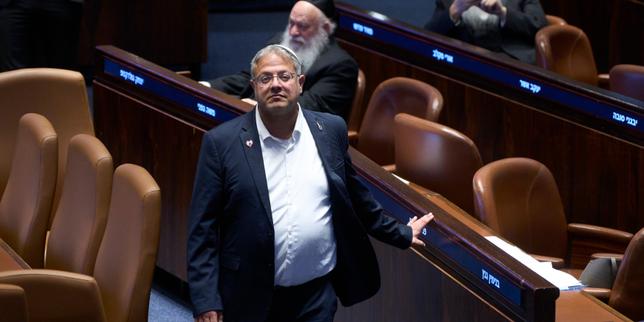
You can only push international diplomacy so far before the cracks turn into canyons. Israel found that out the hard way after intercepting the Global Sumud Flotilla in international waters. What should have been a standard, albeit tense, enforcement of a naval blockade rapidly devolved into a diplomatic nightmare. The catalyst wasn't just the military action itself, but a highly controversial video shared by National Security Minister Itamar Ben-Gvir. Now, European capitals are biting back with unprecedented fury.
Poland is demanding formal apologies and taking steps to bar Ben-Gvir from its soil. Italy is actively pushing the European Union to slap formal sanctions on the far-right minister. This isn't the usual diplomatic finger-wagging. We are witnessing a tangible shift in how European nations handle state-sponsored humiliation of their citizens.
The Video That Sparked a Continental Outrage
A standard military interception is one thing. Publicly parading foreign activists as trophies is quite another. When the Israeli navy intercepted the 50-vessel aid convoy bound for the Gaza Strip, over 400 international activists were detained and brought to the port of Ashdod.
Ben-Gvir saw this as a prime opportunity for a political stunt. He posted a video on social media showing dozens of detained activists zip-tied, forced to kneel, with their foreheads pressed against the deck of a navy ship while the Israeli national anthem blasted through loudspeakers. In one particularly jarring moment, security personnel are seen forcing a young woman’s head down after she shouted a pro-Palestinian slogan.
The backlash was instant. Even standard allies found the optics impossible to defend. US Ambassador Mike Huckabee publicly called the flotilla a "stupid stunt" but simultaneously condemned Ben-Gvir, stating the minister had "betrayed the dignity" of his own nation. Inside Israel, the video caused a massive internal rift, with government colleagues briefing that the display didn't represent the state’s values. But the damage was already done.
Poland Takes the Gloves Off
Warsaw’s reaction shows exactly how dangerous it is to mistreat foreign nationals under the guise of counter-activism. Polish Foreign Minister Radoslaw Sikorski didn't mince words. He summoned the Israeli chargé d'affaires in Warsaw, firmly condemning the treatment of the Global Sumud activists, which included Polish citizens.
Sikorski demanded an immediate apology and the release of the detainees. But Poland went a step further than mere statements. The Ministry of Foreign Affairs officially requested the Ministry of Interior and Administration to ban Itamar Ben-Gvir from entering Polish territory entirely.
When a NATO and EU member state moves to ban a sitting minister of an allied nation, you know the diplomatic relationship has hit rock bottom. Poland has also issued strict travel warnings, advising its citizens against traveling to Israel and Palestine due to the volatile security environment.
Italy Demands Direct EU Action
While Poland is shutting its own borders, Italy is trying to close the door to the entire European continent. Italian Foreign Minister Antonio Tajani took the issue directly to EU Foreign Policy Chief Kaja Kallas. Tajani formally requested that EU foreign ministers place the adoption of targeted sanctions against Ben-Gvir on the agenda for their next meeting.
Tajani argued that seizing activists in international waters and subjecting them to deliberate harassment and humiliation constitutes a flagrant breach of basic human rights. Italy’s aggressive stance is notable because Rome has historically tried to maintain a balanced, pragmatic relationship with Jerusalem.
A Coordinated European Pushback
The anger isn't isolated to Warsaw and Rome. A cascade of nations summoned their respective Israeli ambassadors to register deep disgust.
- Spain and Madrid: Termed the treatment of detainees "monstrueux, indigne et inhumain."
- Canada: Labeled the actions "odious."
- Australia: Foreign Minister Penny Wong called the images "humiliating, shocking, and unacceptable."
- Ireland: Dublin expressed utter consternation, magnified by the fact that the sister of Irish politician Catherine Connolly was among those captured on the vessels.
By the afternoon of May 21, 2026, Israel’s Foreign Ministry announced that all foreign activists from the flotilla had been deported and expelled from the country. The ministry tried to shift the focus back to legality, reiterating that Israel will not permit any breach of its naval blockade. They labeled the Global Sumud convoy a publicity stunt benefiting Hamas.
The strategy failed. The conversation is no longer about the legality of the blockade. It's about state-sanctioned degradation broadcasted for social media clout.
What Happens Next
The immediate crisis of the detained activists is technically over since they've been deported. The geopolitical fallout, however, is just getting started.
Watch the upcoming EU Foreign Affairs Council meeting closely. Passing sanctions requires unanimity, which is always a high bar in Brussels when it comes to Israel. Even if a total EU-wide ban or asset freeze against Ben-Gvir fails due to shifting political blocks, individual countries are highly likely to follow Poland's lead by implementing unilateral entry bans.
If you are tracking international relations or managing corporate risk in the region, expect diplomatic channels between Europe and Israel to remain icy. The era of European patience with rogue political theater from Jerusalem's far-right coalition appears to be officially over. Treaties and blockades offer legal cover, but social media arrogance carries a heavy financial and diplomatic price tag.