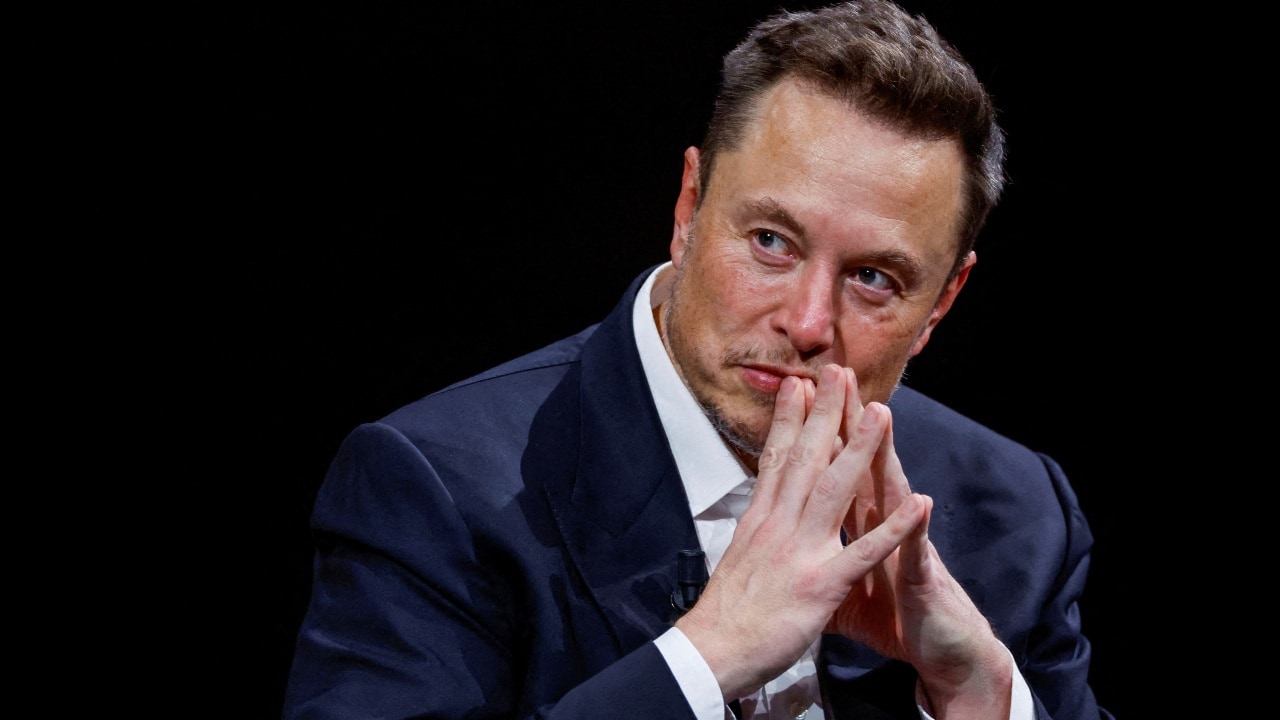
The headlines are shouting about Elon Musk being summoned by a French prosecutor. The media narrative is predictable: "Will the tech mogul comply?" "Is this the moment the state finally reins in the platform?" It is all theater.
This is not a legal event. It is a political pantomime.
Most observers mistake this for a standard regulatory dispute. They view it through the lens of traditional law—a judge sits, a defendant appears, the law is applied. That frame is archaic. When nation-states clash with decentralized digital town squares, the courtroom is merely the stage where they perform their relevance to a public that is increasingly ignoring them.
The Illusion of Jurisdiction
Let’s dismantle the foundational misconception: the idea that a prosecutor in Paris exerts meaningful control over a global discourse engine.
I have watched companies waste millions in legal fees trying to appease local authorities in jurisdictions that have no actual power to enforce their mandates. They play the game. They hire the local counsel. They attend the meetings. It is a massive misallocation of resources.
When a French official demands changes to content moderation, they are not protecting their citizens from misinformation. They are protecting their political survival. By framing Musk as a rogue agent, they manufacture a villain to distract from the reality that their own influence over public opinion has evaporated.
Imagine a scenario where a state effectively censors a platform like X. What happens? Does the population suddenly trust the state media more? No. They find new channels. They migrate to encrypted enclaves. The state loses the only signal they had left: public sentiment as expressed on the platform itself.
The Compliance Trap
The question of whether Musk "complies" misses the point. Compliance is for entities that fear the penalty. If you are operating a platform that exists as the nervous system of global finance and political discourse, what is the threat? A fine? X is a private entity that treats fines as operating expenses. Blocking the site? That is a declaration of digital war that would cripple the French economy long before it damaged the platform.
The European approach to digital governance suffers from a fundamental design flaw: it assumes that the digital sphere is an extension of the physical territory. It is not. Digital space is extraterritorial by nature. Trying to apply Napoleonic-era legal frameworks to a global, algorithmic network is like trying to catch moonlight with a butterfly net.
The Real Cost of Being Wrong
I am not suggesting that Musk is a saint or that his platform is perfect. It is messy. It is loud. It is often toxic. But the desire to bring that messiness under the thumb of bureaucrats is a far more dangerous impulse than anything the platform itself produces.
The people pushing for these summonses are the same ones who presided over the total stagnation of the European tech sector. They have failed to produce a single competitor of scale, so they pivot to regulation. It is a classic move from a dying power structure: if you cannot compete, you litigate.
The reality of these international legal squabbles is simple: they are high-visibility branding exercises. A French prosecutor gets their name in the international press. A politician gets a soundbite about protecting "national values." The platform gets another layer of notoriety. Everyone plays their part, and absolutely nothing changes in how the algorithm functions or how information flows.
Stop Watching the Lawyers
If you are a business leader looking at these headlines and worrying about the "changing regulatory environment," stop. You are falling for the noise.
The environment isn't changing; the power dynamics are just being laid bare. States are losing their monopoly on truth-telling. They can try to summon it, fine it, or ban it. They cannot stop it.
The smart move is not to map your operations to the whims of every jurisdiction you touch. That is a path to internal fragmentation and slow death. The move is to build systems that are resilient to state interference, regardless of whether that interference comes from Washington, Brussels, or Beijing.
Compliance is a liability when the rules are written by people who don't understand the machinery they are trying to regulate. If your strategy relies on waiting for the government to give you permission to operate, you have already lost.
The French authorities will have their day in court. They will issue their statements. They will wait for a response that will be as calculated and indifferent as the code running the platform itself. The world will watch, and then it will keep scrolling.
The era where a government summons could dictate the trajectory of a global information network ended years ago. Anyone who thinks this is a turning point has not been paying attention to how the world actually works. Keep your eyes on the network, not the courtroom.


