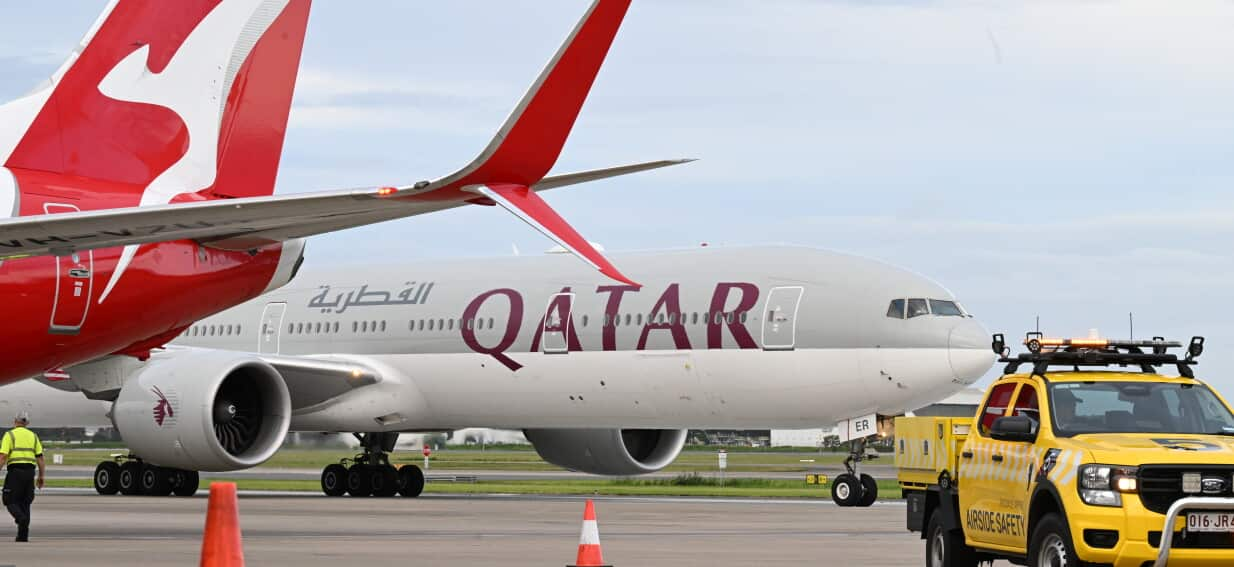
Every travel writer with a keyboard and a Wi-Fi connection is currently recycling the same panic-inducing narrative about flights from Australia to the Middle East. The lazy consensus states that soaring ticket prices, tightening capacity constraints, and macroeconomic headwinds mean Australian travellers should brace for a brutal financial hit if they transit through Doha, Dubai, or Abu Dhabi.
It is a comfortable narrative. It is also fundamentally wrong.
I have watched corporate travel managers and seasoned holiday planners blow thousands of dollars on direct routes to Europe because they read a headline warning them about Middle Eastern transit costs. They look at the sticker price of a ticket on Emirates, Qatar Airways, or Etihad, flinch at the four-figure sum, and assume the traditional Gulf hub stopover has priced itself out of the market.
They are missing the entire architecture of modern aviation pricing.
When you look past the retail economy fare and dissect how yield management systems actually operate, flying to the Middle East is not an expensive ordeal. It is an arbitrage opportunity. The carriers operating out of the Gulf do not make their money by gouging economy passengers on a Sydney to Doha hop. They make it on volume, long-haul feed, and premium cabin margins. If you know how to read the inventory curves, the Middle East remains the most heavily subsidized, artificially depressed pricing corridor on the planet.
The Flawed Math of Airline Seat Inflation
The standard warning about Middle Eastern transits relies on a rookie error: confusing spot prices with structural value.
When a major publication declares that Middle Eastern routes are getting pricier, they are looking at peak-season booking curves through a narrow lens. Yes, if you try to book a flight out of Melbourne two weeks before Christmas, you will pay through the nose. You would do the same flying to Bali.
The structural reality is different. Gulf carriers operate massive widebody fleets—A380s and Boeing 777s—that need to churn massive volume to remain profitable. When demand softens even slightly on secondary European feeders, airlines slash base fares out of Australian ports to keep load factors high. They would rather sell a seat at marginal cost than fly it empty.
I have tracked fare buckets for trans-Indian Ocean routes for over a decade. The absolute floor price for an Australian departure to Europe via a Middle Eastern hub has remained remarkably stable when adjusted for inflation, even while carriers add more capacity. The carriers are locked in an aggressive turf war for global transit dominance. Emirates and Qatar are not pulling back; they are doubling down.
When you buy a ticket through Doha or Dubai, you are buying into a state-backed aviation ecosystem that subsidizes airport infrastructure and fuel hedging in ways Western legacy carriers can only envy. Pretending this is a high-cost route is like looking at a supermarket loss-leader and complaining that milk is a luxury good.
Decoding the Real Cost of the Stopover
Travellers constantly ask whether breaking up the marathon flight to Europe with a stop in the UAE or Qatar is worth the extra cash. The premise of the question is flawed.
People assume a stopover adds cost. It usually saves it.
Direct flights from Perth or the eastern seaboard to London or Rome command a directness premium. Airlines know you hate the idea of changing planes, so they charge you for the privilege of staying in your seat for seventeen hours. By introducing a four-hour break at Hamad International or Dubai International, you step off a Boeing 777, stretch your legs, and drop your ticket price by thirty to forty percent compared to non-stop alternatives.
Let us look at the operational mechanics. A continuous flight from Sydney to London burns extraordinary amounts of fuel just to haul the extra kerosene required for the final leg. Physics dictates that payload-range restrictions drive up the seat cost on ultra-long-haul routes. The Middle East sits at the optimal geographical midpoint for kangaroo route traffic. Splitting the journey into two roughly equal segments optimizes fuel burn and aircraft utilization. The airlines pass those operational efficiencies down to the consumer, provided you avoid booking during peak school holiday windows.
The Unspoken Perks That Offset the Ticket
If you want to evaluate the true financial impact of a Middle Eastern transit, you have to factor in the total cost of ownership of your trip.
Western carriers hand you a lukewarm cup of chicken or pasta, a tiny plastic cup of water, and expect you to survive fourteen hours in a cramped cabin. Try booking a multi-leg journey with a European legacy carrier and see how much they charge you for seat selection, checked baggage, and basic amenities.
Gulf carriers bake these costs into the base fare. When you fly through Doha or Dubai, your baggage allowance is typically more generous, the aircraft configurations on their core trunk routes are newer, and the meal service actually resembles food. Furthermore, both Qatar Airways and Etihad offer transit accommodation programs—free or heavily discounted hotel stays for passengers with extended layovers.
Imagine a scenario where your itinerary forces a twelve-hour layover. On a European airline, you are trapped in an uncomfortable terminal buying overpriced airport sandwiches. In Doha, you can step out into the city, or book a transit hotel room for a fraction of standard European rates, or take advantage of free city tours. You turn a transit penalty into a bonus mini-vacation without blowing your budget.
The Strategy Nobody Tells You To Use
Stop treating booking engines like passive search tools. They are designed to show you the highest yield options first.
If you want to crack the Middle East travel code, you have to adopt the mindset of an airline yield manager.
- Ignore the calendar heatmaps: Never search for flights by specific days if you want a bargain. The algorithms track search frequency and jack up prices for specific weekend departures.
- Target the shoulder-shift: Fly out on a Tuesday or Wednesday. The disparity between a Tuesday departure and a Friday departure to Dubai is often large enough to pay for your entire hotel stay in Europe.
- Leverage partner sweet spots: Do not pay cash for economy if you have built up airline miles. Gulf carriers are part of major global alliances or maintain standalone partnerships that allow sweet-spot redemptions which completely bypass the cash-price hysteria.
- Embrace the secondary hubs: Everyone fights for the direct flights into the primary airports. Look at secondary European entry points connected via the same Gulf carriers—cities like Lyon, nice, or Warsaw—and catch a cheap regional train to your final destination.
The next time someone tells you that flying to the Middle East is an expensive luxury reserved for the wealthy, ask them when they last checked an fare bucket matrix. They are reading the headlines. You should be reading the data. Stop overpaying for direct-flight vanity and start exploiting the geography of the globe's most efficient transit corridor.
Book the layover.