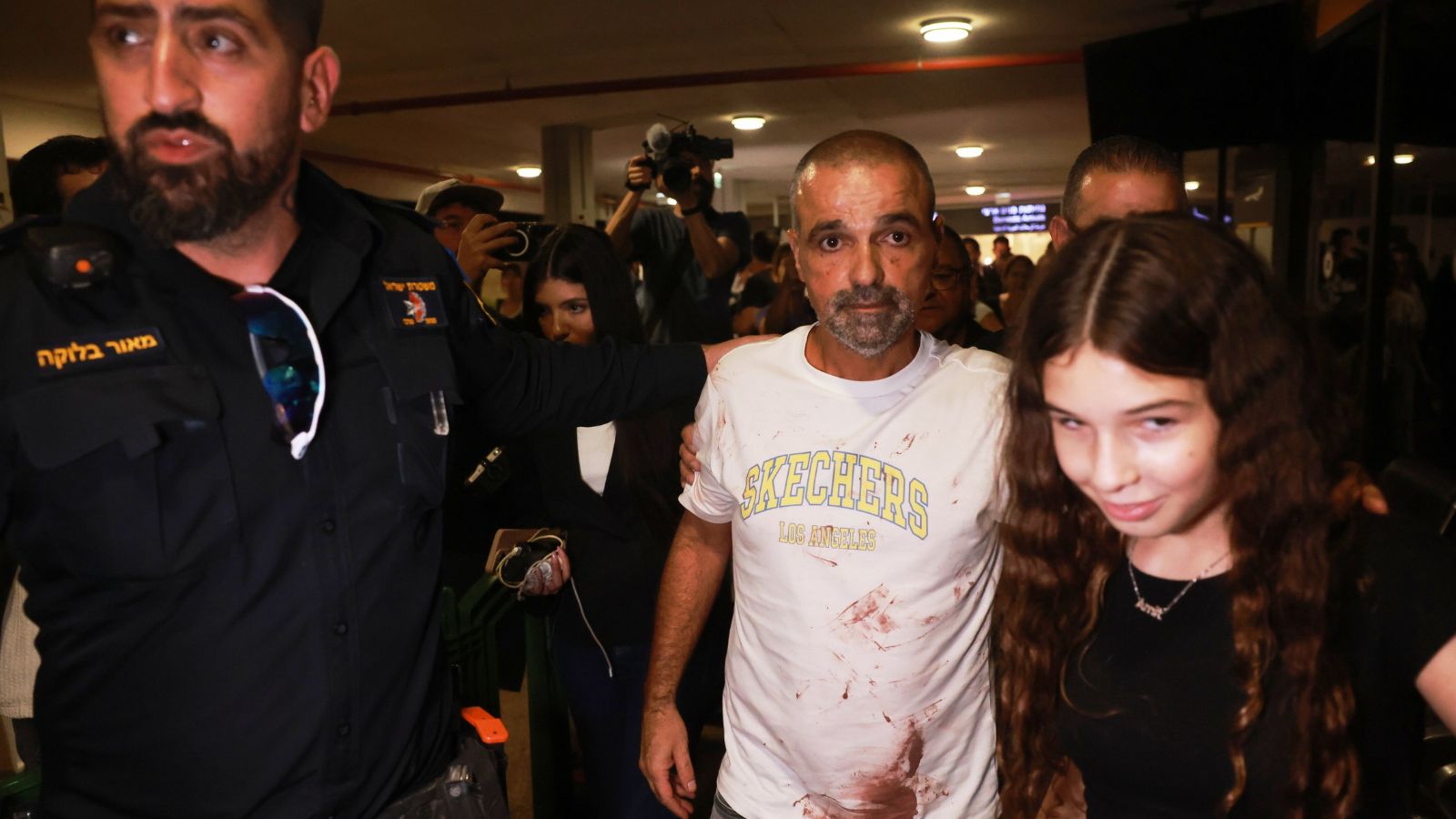
When Yaniv Hayun stepped forward on a plunging Flydubai aircraft after a cockpit attack left the captain wounded and the flight controls unattended, television docuseries became an unlikely manual for emergency survival. The incident aboard flight FZ1073 from Dubai to Tel Aviv exposed a chilling vulnerability in modern commercial aviation. A determined individual inside the flight deck can bypass layers of operational security, turning an automated aluminum tube into a battleground. While media cycles fixated on the cinematic detail of a passenger pulling the yoke because he watched the program Air Crash Investigation (Mayday), the deeper story points to a systemic crisis in flight deck architecture and crew isolation protocols.
Commercial aviation has spent decades engineering the human pilot out of the loop to optimize fuel efficiency and minimize procedural errors. Yet when an insider threat materializes behind armored steel doors, that very automation becomes a trap. Modern airliners rely heavily on dual-occupancy rules and digital lockouts, assuming that cockpit crew members will serve as mutual gatekeepers. When that internal barrier fails violently, passengers are left with seconds to breach the reinforced door, neutralize a threat, and interpret raw flight instrumentation without professional training.
The physical reality of a modern flight deck under duress differs starkly from public perception. Control columns on commercial jets are interconnected in most traditional designs, meaning movement on one side dictates the response on the other, but an intentional effort to sabotage instruments creates cascading electronic and mechanical confusion. Hayun did not pilot the aircraft to a smooth touchdown; he reacted to a sudden, violent descent by pulling back on the controls to arrest a catastrophic dive. His familiarity with basic aircraft recovery vectors, absorbed passively through years of watching investigative reconstructions, bridged the gap between total disaster and controlled stabilization before the flight crew regained authority.
This event forces aviation authorities to reevaluate assumptions about cockpit fortification. Following historic security overhauls, reinforced doors were mandated globally to keep malicious actors out. Paradoxically, those same doors now lock out external assistance when the flight deck itself becomes compromised from within. Cabin crew members and passengers face monumental physical hurdles just to enter the workspace, let alone diagnose whether the automated flight management system is disengaged, overridden, or actively being steered into the ground.
Training passengers to handle flight controls is neither feasible nor desirable, but acknowledging the fragility of single-point human failure is long overdue. Airlines and manufacturers treat cockpit security as an solved problem anchored by heavy doors and background checks. Incidents of internal pilot hostility, though statistically rare, prove that psychological screening and digital access controls have blind spots. When the safety margin shrinks to zero, the system relies entirely on raw physical intervention by untrained civilians forced to improvise against a backdrop of flashing master caution warnings and screaming avionics.
The applause directed at individual heroism masks an uncomfortable industrial truth. Aviation safety cannot depend on lucky coincidence, docuseries enthusiasts, or passengers successfully executing high-altitude wrestling matches inside a cramped workspace. As long as commercial flight decks remain isolated fortresses vulnerable to internal malfeasance, the distance between routine transit and catastrophic failure remains dangerously narrow.