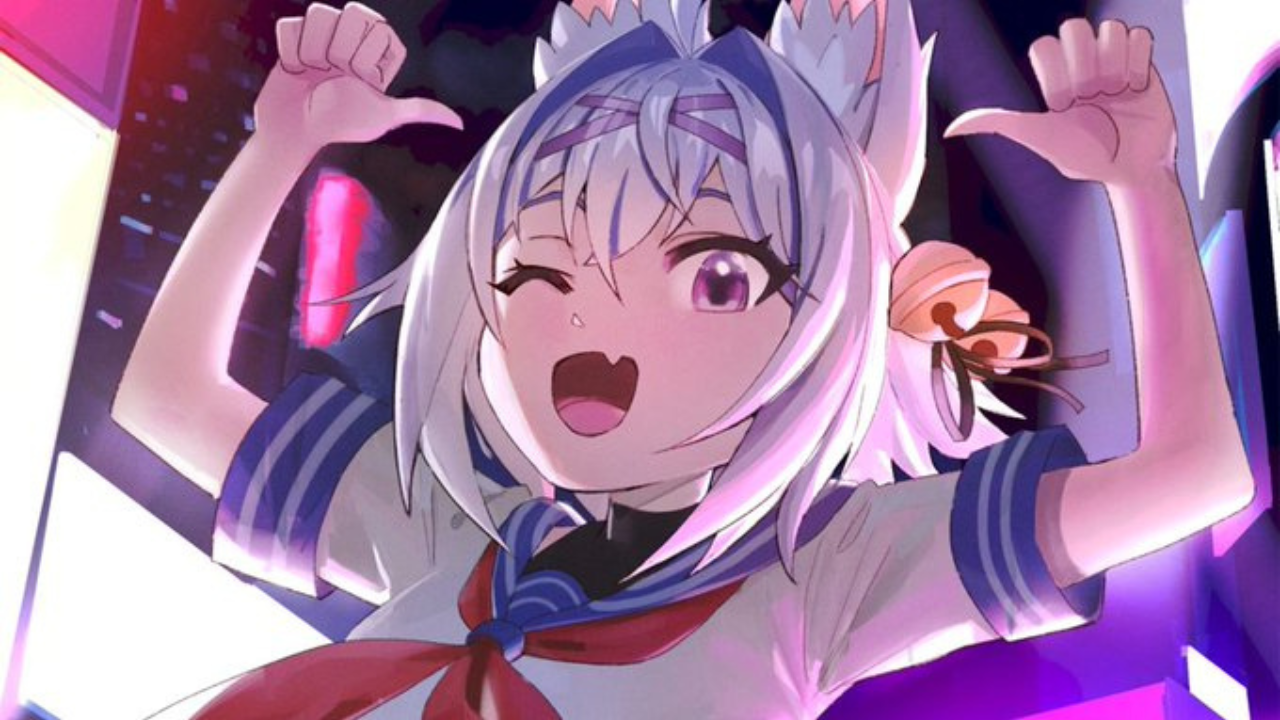
The sudden disappearance of Filian, a pillar of the VTubing community, has sent shockwaves through the streaming world after a total purge of her digital footprint. Fans returning to her platforms found a wasteland where a multi-million follower empire once stood. This is not a simple hiatus or a technical glitch. It is a calculated removal that highlights a growing crisis of sustainability and ownership within the high-stakes world of virtual entertainment.
Filian rose to prominence through high-energy, motion-captured physical comedy that pushed the boundaries of what a 3D avatar could do. Unlike traditional streamers who rely on facial expressions, Filian’s brand was built on "scuff"—a chaotic blend of gymnastics, technical failures, and unscripted absurdity. When a creator of this magnitude goes dark and scrubs their archives, it usually signals one of three things: a massive legal dispute, a total career pivot, or a severe mental health break. In the current landscape, the truth often hides in the intersection of all three.
The Mechanics of a Digital Erasure
Wiping a channel is a violent act in the creator economy. Every video deleted is a loss of passive revenue and a severance of the historical record that binds a community together. When the "VODs" (Video on Demand) and social media posts vanish, it suggests a desire to reset the narrative or a legal necessity to shield content from scrutiny.
Observers of the VTubing industry know that these creators operate under a unique set of pressures. They are performers trapped inside expensive, often temperamental software suits. The barrier between the person and the persona is thin, yet the "Kayfabe" of the avatar must be maintained at all costs. When that persona becomes a cage, the only way out is often to burn the house down.
The Burnout Behind the Mask
We often mistake digital avatars for tireless machines. They don't age, they don't get sick, and they don't need to change their clothes. But the humans operating them are subject to the same biological limits as anyone else. Filian’s schedule was grueling. Physical VTubing requires intense caloric output and constant calibration of tracking pucks and base stations.
The industry has seen this pattern before. A creator hits a ceiling where the persona requires more energy than the human can provide. In most professional sectors, you take a sabbatical. In the world of Twitch and YouTube, a week of absence can result in a catastrophic drop in algorithmic favor. The pressure to remain "on" leads to a binary choice: keep going until you collapse or disappear entirely to reclaim your identity.
Ownership and the Contractual Trap
One factor rarely discussed in the public sphere is the complexity of intellectual property in virtual entertainment. While many top-tier VTubers are independent, others operate under shadow contracts or management deals that complicate who actually owns the model, the name, and the back catalog.
If a creator decides to walk away, they often find that they don't own the "skin" they've lived in for years. If Filian’s disappearance is tied to a behind-the-scenes restructuring, the content wipe might be a scorched-earth tactic used during a messy separation from management or tech providers.
The Platform Risk
Relying on a single platform like Twitch is a dangerous game. We are seeing a shift where creators realize they are merely digital sharecroppers. They work the land, but the platform owns the soil. When a creator wipes their content, they are often attempting to devalue the "land" to prevent others from profiting off their past labor. It is a desperate move for autonomy.
The "why" behind the Filian blackout likely stems from a need to decouple the human from the brand. For years, the industry has ignored the psychological toll of being a faceless celebrity. You have the fame, the stalkers, and the intense scrutiny, but none of the traditional avenues for "turning it off" because the brand is a 24/7 digital entity.
The Ripple Effect on the Community
Fans are not just viewers; they are investors. They invest time, emotion, and "bits" or "donations" into a persona. When that persona vanishes without a trace, it creates a vacuum of trust. The lack of communication isn't just a PR blunder; it's a symptom of a broken system where creators feel they owe nothing to the audience that built them because the audience's demands have become too heavy to bear.
This event serves as a warning for the next generation of virtual talent. The current model of "always-on" high-intensity performance is unsustainable. Without clear boundaries and a move toward decentralized content ownership, we will see more empires vanish overnight.
Moving Beyond the Avatar
The next phase of this industry will require a shift in how we value the human behind the rig. If the person behind Filian is seeking a life outside the headset, the industry must learn to allow for "graduation" or "retirement" that doesn't involve the total destruction of a digital legacy.
The silence is loud. It speaks to a creator who has reached the end of their tether and decided that the only way to win the game is to stop playing entirely. As the metadata continues to disappear, the lesson remains: in the virtual world, everything is permanent until the moment it isn't. Creators must secure their rights and their mental health long before the "Delete All" button becomes the only viable exit strategy.