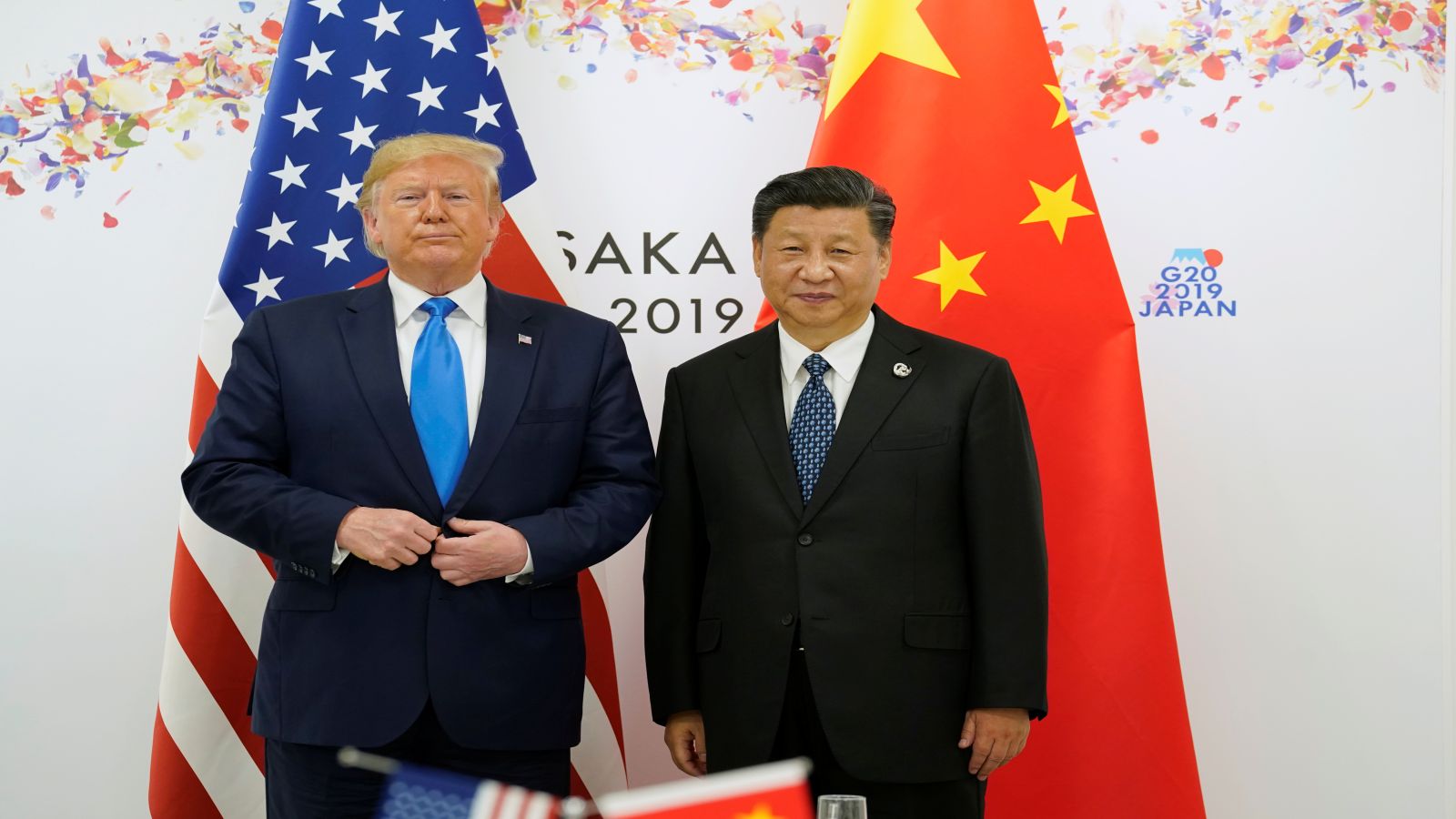
High-stakes diplomacy usually revolves around tariffs, trade balances, and geopolitical positioning. Behind closed doors, human rights activists and advocacy coalitions keep pushing a different agenda. The International Campaign for Tibet (ICT) and allied rights organizations spotlighted this exact tension by urging U.S. President Donald Trump to publicly press Chinese President Xi Jinping on the decades-long disappearance of the Panchen Lama and broader religious freedoms in Tibet.
When world leaders sit down across the negotiating table, symbolic issues often clash directly with hard economic interests. Understanding why this specific detention matters so much requires looking at how spiritual succession works inside Tibetan Buddhism and why Beijing's grip on the region remains an enduring flashpoint.
The Disappearance That Shaped Modern Tibetan Resistance
Back in 1995, a six-year-old boy named Gedhun Choekyi Nyima was recognized by the Dalai Lama as the 11th Panchen Lama. Within days, the boy and his family vanished. Beijing replaced him with their own state-appointed figure, Gyalcain Norbu, creating a deep ideological schism over religious legitimacy.
For Tibetans in exile and international human rights advocates, the missing Panchen Lama isn't just a historical footnote. He represents the broader assault on cultural and religious autonomy. When advocacy groups call on Washington to raise his case during high-level summits with Xi Jinping, they are targeting the core of Beijing's legitimacy strategy in the region. Control the succession of the highest spiritual figures, the logic goes, and you control the narrative of the plateau.
What Human Rights Coalitions Are Demanding Today
The pressure campaign extends far beyond a single prisoner, no matter how prominent. Coalitions of rights organizations routinely demand concrete policy shifts from both Beijing and Western capitals. Their core demands usually focus on several aggressive fronts:
- The Panchen Lama's Release: Demanding proof of life and the immediate freedom of Gedhun Choekyi Nyima and his family.
- Resuming Dialogue: Pushing Beijing to restart unconditional talks with the representatives of the Dalai Lama and the Central Tibetan Administration.
- Reversing Assimilation Laws: Calling for the repeal of heavy-handed legal frameworks like the Ethnic Unity and Progress Law, which critics argue is designed to systematically erase Tibetan language, identity, and religious practice.
- Ending Coercive Schooling: Halting the state-run boarding school system that separates young Tibetan children from their families to indoctrinate them into mainstream Han culture.
These aren't mild requests. They strike at the heart of Beijing's domestic security policies in autonomous regions, making them notoriously difficult to resolve through conventional diplomacy.
The Trade-Off Between Commerce and Conscience
Critics of modern foreign policy often point out a harsh reality. Economic superpowers like the United States and China have massive trade ties that frequently overshadow humanitarian concerns. When leaders meet, human rights sometimes take a back seat to market access, supply chain stability, and geopolitical agreements.
Tibetan exile leaders have openly expressed frustration when high-profile summits pass without any public mention of political prisoners or cultural suppression. Yet, advocacy groups keep pushing the issue because silence from Western leaders tends to embolden authoritarian crackdowns. Publicly raising names like the Panchen Lama keeps the spotlight on systemic abuses that Beijing would prefer to keep hidden behind closed borders.
The push to hold global superpowers accountable for religious persecution doesn't vanish when the summit ends. As long as succession disputes and cultural assimilation policies define the reality on the ground in Tibet, advocacy networks will keep dragging these uncomfortable truths back into the center of international politics.
US Asks China to Release Panchen Lama Days After Trump-Xi Meeting | GRAVITAS
This video provides an in-depth look at the diplomatic fallout and context surrounding the calls for the release of the Panchen Lama following high-level U.S.-China talks.