The federal government doesn't usually panic when a scientist goes missing. Academics go on long hikes, researchers burn out, and elderly professors occasionally pass away under mundane circumstances. But when eleven elite minds tied to nuclear weapons, aerospace defense, and exotic physics either vanish or turn up dead in a short window, people start asking questions. The White House and the FBI have officially stepped in to find out if we're looking at a series of tragic coincidences or a coordinated strike against American intellectual capital.
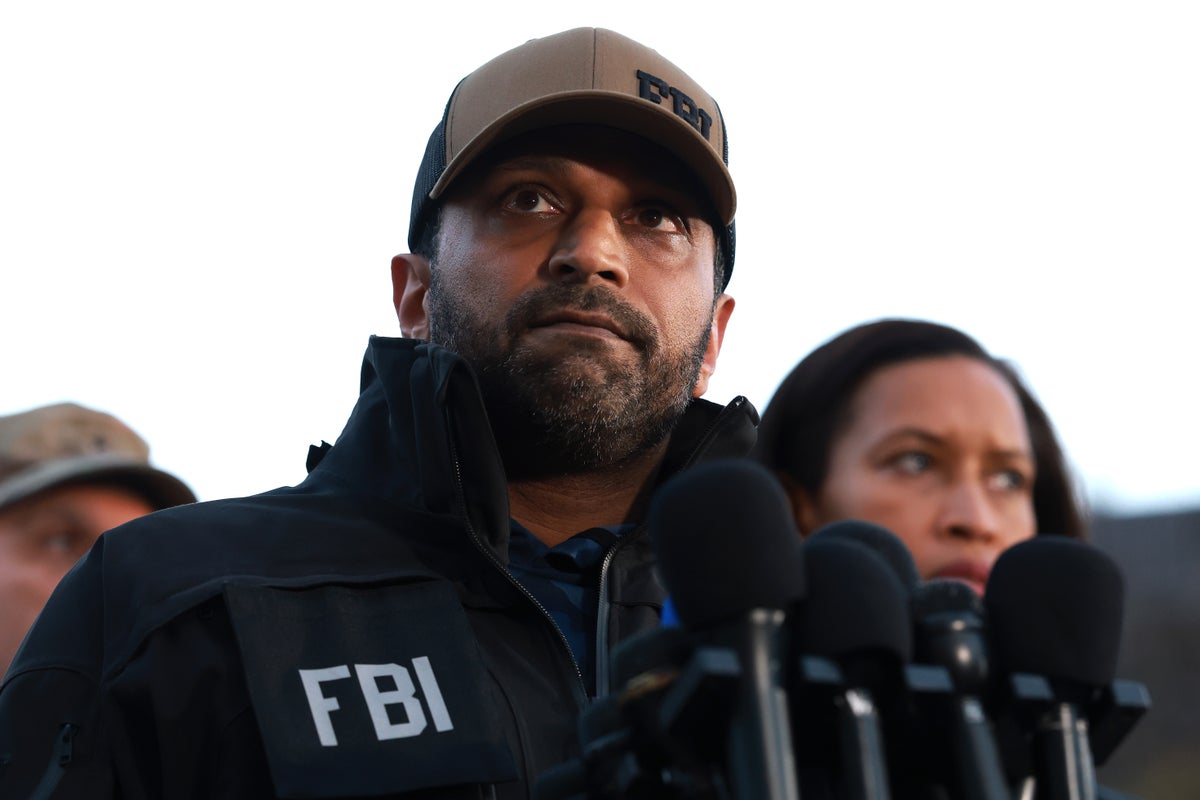
It’s about time. For months, these stories lived in the corners of local news and internet forums. Now, the Trump administration has confirmed a "holistic review" into these cases. White House Press Secretary Karoline Leavitt calls it "pretty serious stuff." The goal is link analysis—seeing if these people, despite their different fields, shared a secret that made them targets.
The Names You Need to Know
If you haven't been following the tally, the list is chilling. These aren't just lab techs; we’re talking about people with high-level security clearances.
Take Monica Jacinto Reza. She was a director at the NASA Jet Propulsion Laboratory (JPL) and worked with Aerojet Rocketdyne. In June 2025, she was hiking with a friend in the Angeles National Forest. Her friend says they were 30 feet apart. Monica waved, smiled, and then... she was gone. No body, no tracks, nothing.
Then there’s Carl Grillmair, a 67-year-old heavy hitter from Caltech. He wasn't just an astrophysicist; he was a dark matter expert who discovered water on exoplanets. In February 2026, he was gunned down on his own front porch in Llano. While an arrest was made, the motive remains a massive question mark. Why him? Why now?
A Pattern Across the Map
The cases aren't limited to the West Coast.
- Nuno Loureiro: A world-renowned nuclear fusion expert at MIT. He was shot dead in his home in December 2025.
- William "Neil" McCasland: A retired Air Force Major General who led the Air Force Research Laboratory. He disappeared from his Albuquerque home in February 2026.
- Jason Thomas: A director at Novartis who went missing in Massachusetts. His body was pulled from a lake months later.
The common thread? Almost all of them had a connection to U.S. nuclear secrets, rocket technology, or unidentified anomalous phenomena (UAPs).
Why a Federal Probe Matters Now
You might wonder why the FBI is getting involved if local police handled the initial scenes. The answer is Link Analysis. Individual police departments don't have the bird's-eye view of national security. They see a carjacking or a hiking accident. They don't see the fact that three people from the same NASA project are suddenly off the board.
The Department of Energy and the National Nuclear Security Administration are terrified of "intellectual attrition." If a foreign adversary—or an internal group—is picking off scientists with specific knowledge of our nuclear grid or aerospace defense, it’s a quiet war.
The Skeptic's Corner
Not everyone is convinced there’s a conspiracy. Harvard physicist Avi Loeb has gone on record saying he doesn't think the cases are related. His logic is simple: their expertise is too varied. One works on fusion, another on exoplanets, another on pharmaceutical research. In a country with thousands of high-level researchers, some will inevitably die or go missing.
But that’s a comfort that government officials like Representative Eric Burlison and the House Oversight Committee can't afford. They’re pushing the "better safe than sorry" angle. When you lose a guy like McCasland—someone who knew the inner workings of our most classified military labs—you don't just shrug and call it a mystery.
What Happens in the Next 10 Days
President Trump told reporters he expects definitive answers by the end of April 2026. "I hope it's random, but we're going to know," he said. This isn't just about solving cold cases; it’s about signaling to the scientific community that they’re protected.
If the FBI finds a link, expect a massive shift in how we handle the security of private citizens with "public" knowledge of classified systems. We’ve spent decades protecting the data; maybe we forgot to protect the people who carry it in their heads.
If you’re a researcher in these fields or just a concerned observer, here’s how to stay informed:
- Watch for the FBI’s preliminary report due in late April.
- Monitor updates from the House Oversight Committee regarding the National Nuclear Security Administration's findings.
- Pay attention to security clearance protocol changes—rumors suggest new travel and residence restrictions for "Tier 1" researchers are on the table.
The silence has ended. Now we see what the noise is actually about.